
Small Acts, Big Ripples: The 25-Day Kindness Challenge
In a world that feels busy, loud, and sometimes disconnected, kindness is how we find our way back to each other. One small moment at a time.
Kindness Connects Us: A 25-Day Kindness Challenge for Kids and Families
Kindness doesn’t have to be big, fancy, or perfect.
Sometimes it looks like a smile.
Sometimes it sounds like, “I like how you did that.”
Sometimes it’s just choosing to pause instead of react.
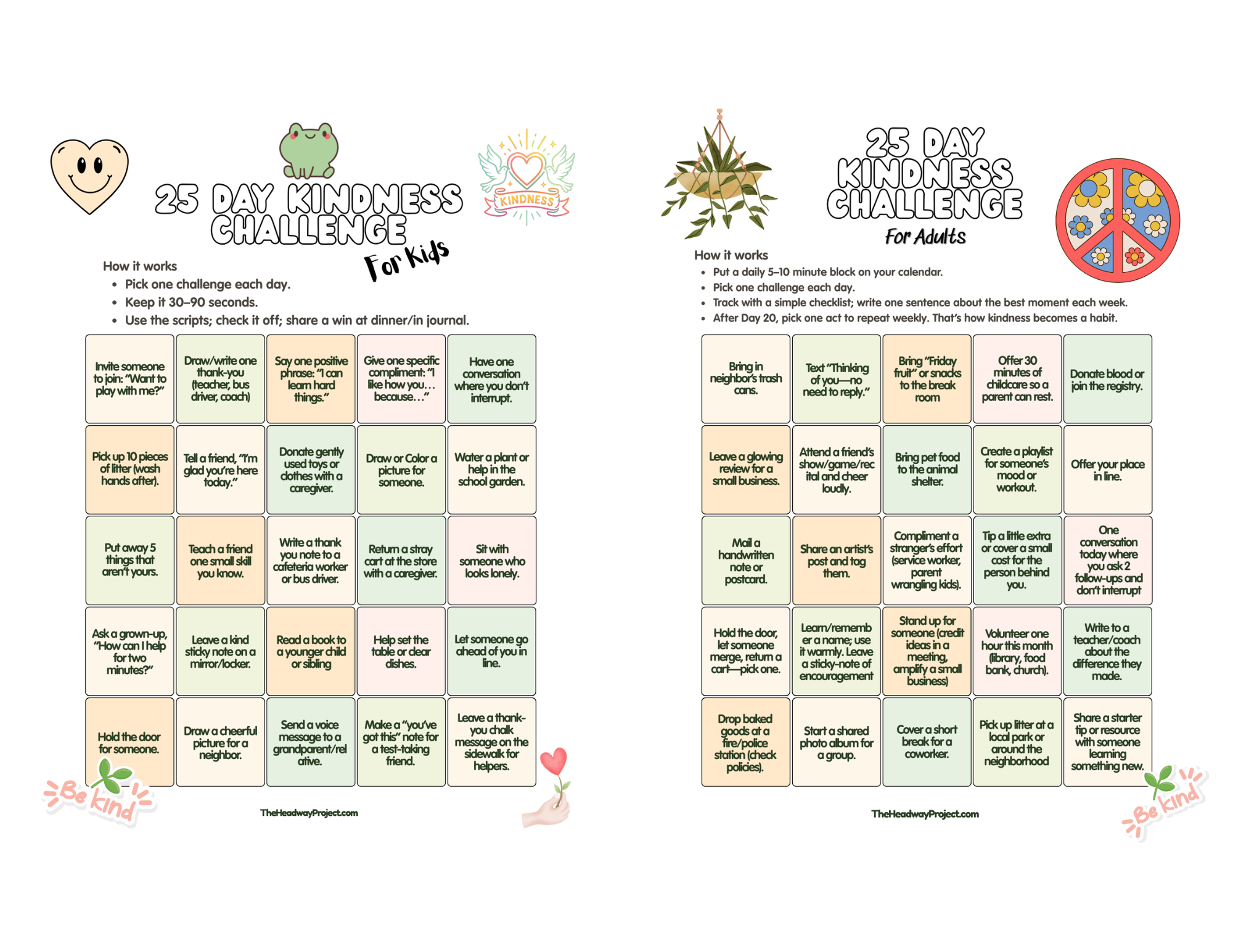
That’s why we created our 25-Day Kindness Challenge — a simple, doable way for kids and adults to practice kindness every day, in small ways that actually stick.
Because kindness isn’t just something we do… It’s something that changes us.
Why Practice Kindness?
Kindness is one of the few things that helps everyone involved — the person giving it and the person receiving it. When we practice kindness regularly, it becomes a skill, a habit, and a way of connecting with the world around us.
Here are 6 powerful benefits of practicing kindness — for kids and adults:
Kindness Helps Our Brains Feel Calmer
When we’re kind, our brains release feel-good chemicals like dopamine and oxytocin. These help reduce stress and anxiety and increase feelings of safety.
For kids, this can look like:
Fewer meltdowns
Better emotional regulation
Feeling more secure in relationships
For adults, kindness can:
Lower stress levels
Improve mood
Help us feel more grounded during hard days
Kindness is basically a natural calm-down tool.
2. Kindness Builds Confidence and Self-Worth
When kids practice kindness, they start to see themselves as someone who can make a difference. They start to see themselves as someone who contributes and participates in their community. That matters.
Small acts like helping, encouraging, or including others help kids think:
“I matter.”
“I can help.”
“I’m a good friend.”
Adults benefit too — kindness reminds us that we are capable, connected, and valuable, even on the days that we doubt ourselves.
3. Kindness Strengthens Relationships
Kindness is one of the fastest ways to build trust.
Kind words create emotional safety
Gentle actions show respect
Thoughtful moments help people feel seen
When kids practice kindness, friendships grow stronger. When adults practice kindness, families feel closer and communication improves.
Kindness says, “You matter to me.”
4. Kindness Teaches Emotional Skills
Practicing kindness helps kids and adults:
Notice others’ feelings
Pause before reacting
Respond instead of reacting
Practice empathy
These are lifelong emotional skills, not just “nice behavior.” Kindness helps turn big feelings into teachable moments.
5. Kindness Creates a Positive Ripple Effect
Here’s the cool part: kindness spreads. One kind act often leads to another — and another — and another.
Kids who experience kindness are more likely to:
Be kind to others
Help peers
Use kind words instead of hurtful ones
Adults notice this too. One kind moment can shift the energy of an entire room, classroom, or home. Kindness multiplies when it’s shared.
6. Kindness Helps Us Feel Connected (Not Alone)
Kindness reminds us that we’re not in this alone. When we give or receive kindness, we feel:
More connected
Less isolated
More understood
In a world that can feel busy, loud, or overwhelming, kindness is a bridge — it connects us to each other in meaningful ways.
How Kindness Connects Us All
Kindness isn’t just about being “nice.” It’s about connection. When we practice kindness:
We notice each other
We slow down
We build understanding
We strengthen community
For kids, kindness builds friendships.
For families, kindness builds trust.
For communities, kindness builds belonging.
That’s the heart of our 25-Day Kindness Challenge — creating small, daily moments that bring us closer together.
Ready to Join the 25-Day Kindness Challenge?
Kindness grows when we practice it — and it’s even more powerful when we do it together.
Our 25-Day Kindness Challenge is designed to be:
✔️ Simple and realistic for busy families
✔️ Kid-friendly and adult-approved
✔️ Focused on small moments that make a big difference
Each day includes an easy kindness idea that helps build empathy, connection, and emotional skills — without pressure or perfection.
💛 Join the challenge today and start creating kinder moments at home, school, and in your community.
This is a Facebook group community that is supportive, positive space for families, caregivers, educators, and individuals participating in our 25-Day Kindness Challenge.
🍁 Spread Kindness Like Leaves in the Fall: Join the Movement Again This Year!
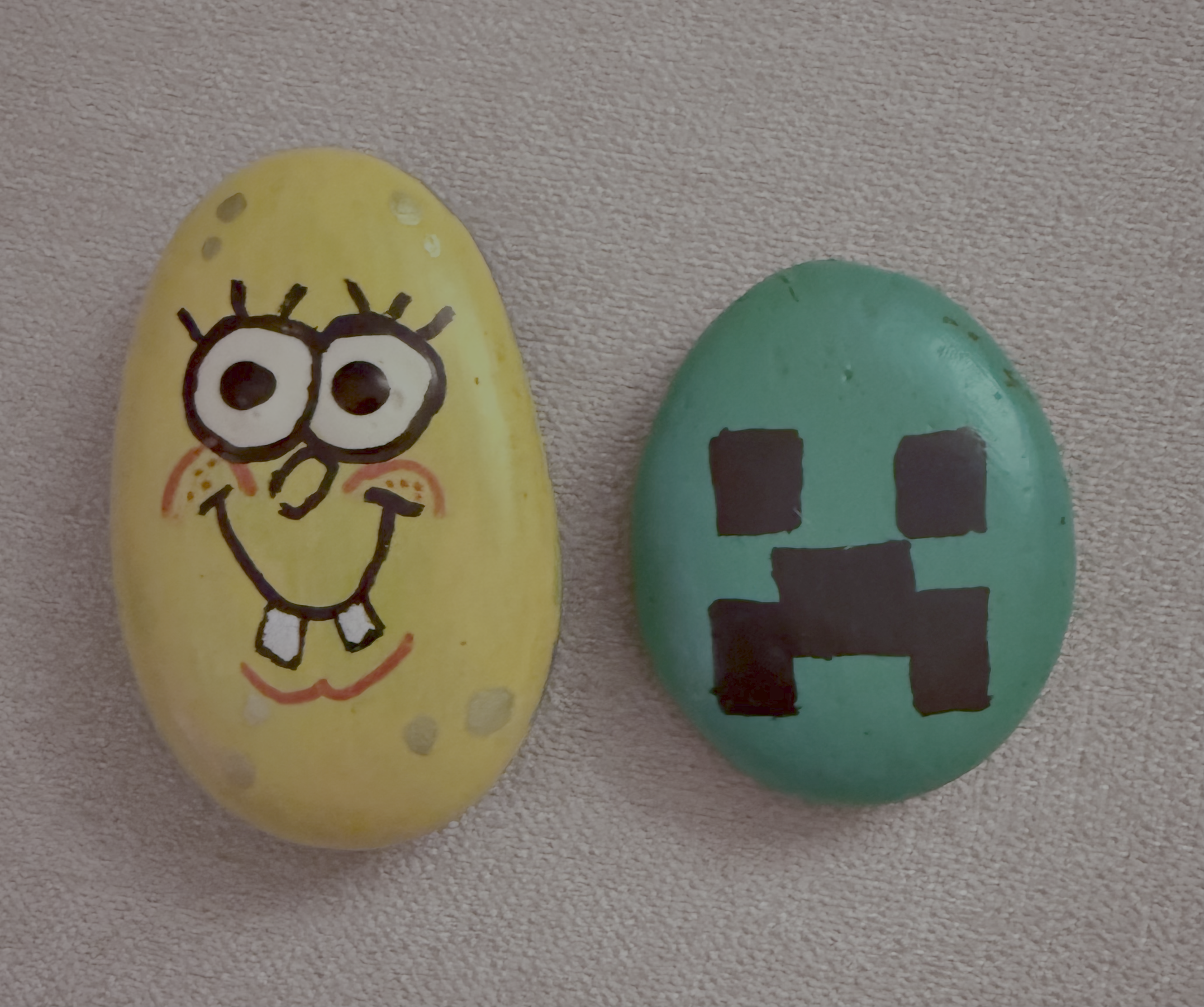
Last year we asked our community to help us spread kindness like leaves in the fall — and you showed up in the most beautiful way. From colorful, hand-painted rocks to heartfelt messages tucked into parks, playgrounds, and walking trails, you helped kindness travel farther than we ever imagined. 🌍💛
Each rock carried more than paint. It carried hope, encouragement, and a reminder that kindness is contagious.
And guess what?
We’re doing it again this year!
Why We’re Bringing It Back
Kindness connects us.
It lifts spirits, sparks smiles, and reminds us that—even when the world feels heavy—small acts can make a big difference.
When someone stumbles upon a painted rock that says “You matter,” “Keep going,” or “You’re not alone,” it’s more than just a surprise. It’s a moment of connection. A little light. A reminder that goodness is still all around.
This campaign is our way of creating a chain of kindness that can travel through our communities—and maybe even around the world.
How to Join the “Spread Kindness Like Leaves” Challenge
Ready to jump in? Here’s how it works:
1️⃣ Paint a rock — Add a kind word, a colorful design, or something that makes you smile.
2️⃣ Place it somewhere in your community for someone to find—like a park, a walking trail, or near a playground.
3️⃣ Challenge 3 friends to do the same! The more kindness we spread, the farther it travels.
4️⃣ Tag us! Use #theheadwayproject or #RocksthatConnectUs or #SpreadKindnessLikeLeaves and tag @theheadwayproject so we can follow the journey of your rock.
Together, We Can Make a Difference
Whether you’re painting with your kids, your students, or your coworkers, each rock you place sends out a ripple of positivity.
Let’s remind our communities that kindness is still powerful—and that connection can grow from the smallest gestures.
So grab your paintbrush, your favorite fall colors, and a few smooth rocks… and let’s spread kindness like leaves in the fall.
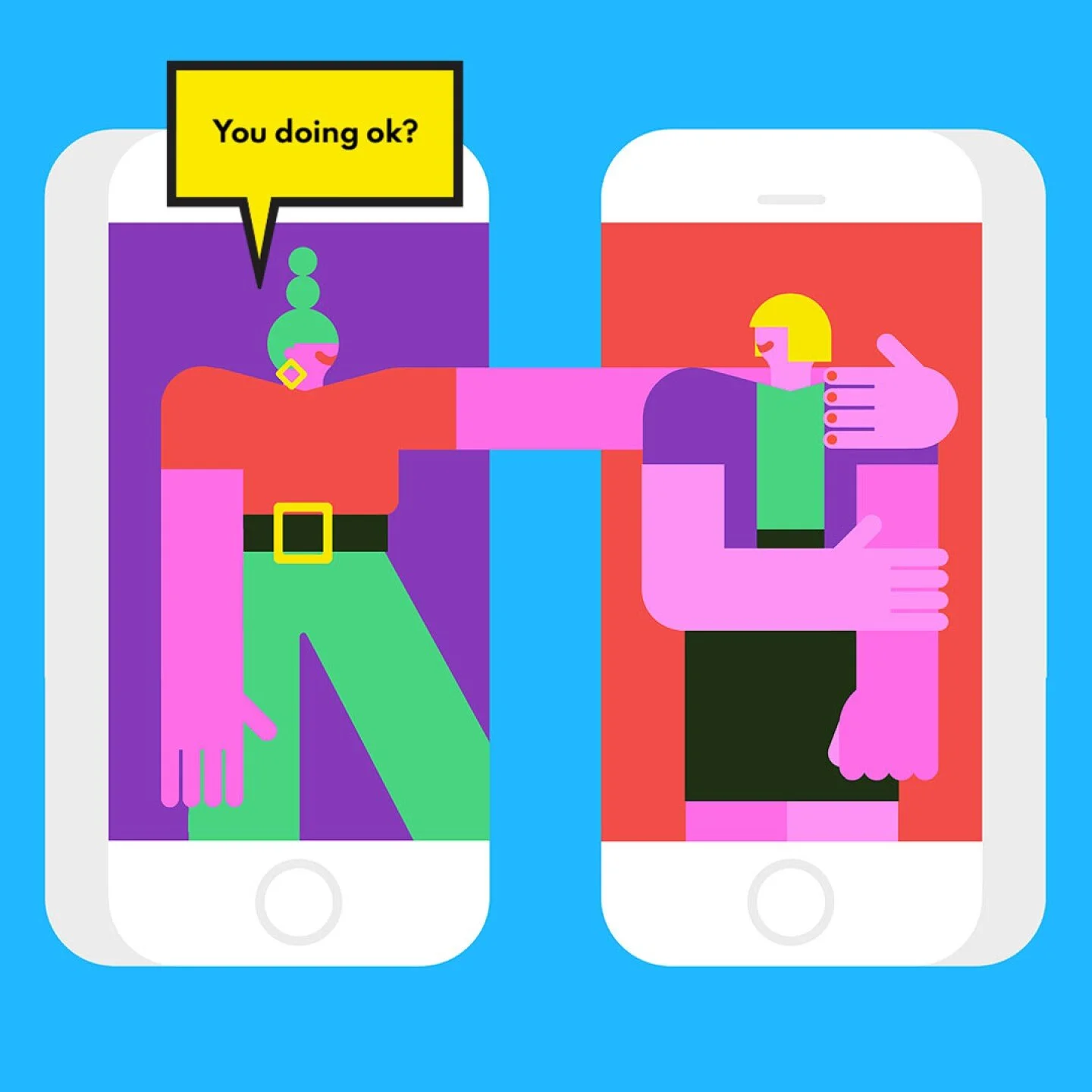
As Suicide Prevention Month Ends, Let’s Keep the Conversation Going
September is Suicide Prevention Month—a time when we shine a light on mental health, raise awareness, and remind one another that talking about struggles can save lives. As the month comes to a close, the work doesn’t stop here.
Conversations Don’t Expire
Maybe you’ve thought about reaching out to a friend but weren’t sure how. Maybe you had that “awkward” conversation and realized it mattered more than you imagined. The truth is—there’s no deadline on checking in. Asking “How are you, really?” is powerful in any month.
Asking directly shows you care. It doesn’t have to be fancy—just genuine.
Listening is more important than fixing. Often, being heard is the most healing thing.
Support doesn’t stop in September. Knowing you’ll follow up later builds trust and safety.
A Community Beyond One Month
Suicide prevention isn’t a campaign—it’s a commitment to each other. When we look out for friends, classmates, coworkers, or neighbors, we build a culture where help-seeking feels safe and compassion is the norm.
Together, we can:
Keep sharing resources like seizetheawkward.org
Normalize talking about feelings year-round
Encourage reaching out to 988 anytime someone is in crisis
What You Can Do Next
As September ends, challenge yourself to keep the conversation alive:
Send a quick “thinking of you” text.
Check in on someone who’s been quiet lately.
Be the person who listens without judgment.
💛 Suicide prevention doesn’t end with a month. It lives in the daily choices we make to care for one another.
Together, we can create a community where no one struggles alone.
You doing ok?
A Back to School Message
Back to School Wishes + Resources to Start the Year Strong
It’s that time again… sharpen those pencils, zip up those backpacks, and take a deep breath—it’s back to school season!
Whether you're a student, a parent, a teacher, or a school counselor, the start of a new year brings a mix of excitement, nerves, fresh notebooks, and maybe even a few butterflies in your stomach. (We see you, first-day jitters!)
Here at The Headway Project, we’re cheering you on as you step into a brand-new chapter filled with opportunities to grow, connect, and shine. And we’ve packed our shelves with resources to help make the transition smoother, calmer, and more fun—for kids and the grown-ups guiding them.
🚌 So, What’s New for Back to School?
We’re so glad you asked. We've stocked up on tools that focus on social-emotional wellness, confidence-building, and connection—because starting school isn’t just about supplies, it’s about feeling ready on the inside too.
🌳 Free Download: “Rooted Like a Tree” Mindfulness Exercise
Those back-to-school butterflies? Totally normal.
Help kids ground themselves with our printable "Rooted Like a Tree" mindfulness sheet. It guides them through a calming visualization so they can feel steady, strong, and ready to grow—just like a tree.
✏️ Free Connection Worksheets
Meeting new people can be awkward, especially when you’re little.
Our Meeting New People worksheet helps kids practice what to say, how to introduce themselves, and how to feel brave in social settings. Bonus? It’s paired with a playful This or That: Back to School Edition activity that makes for the perfect icebreaker.
Great for: classroom teachers, counselors, parents, and anyone working with kids who need a gentle social nudge.

🎒 Back to School Bundle (Everything in One Spot!)
Want the whole toolkit in one place? Grab our Back to School Bundle—a digital collection of activities, worksheets, mindfulness tools, and connection-building exercises that make the first few weeks smoother.
It’s designed for real-life use: low-prep, kid-approved, and ready to print.
💬 Free Affirmations for Kids (Coloring Pages Included!)
Words have power—and our Back to School Affirmations are here to help kids speak kindness and courage over themselves every day.
Each affirmation comes with a printable coloring page, so they can relax and create while they build confidence. Win-win!
💛 Wishing You a Strong Start
To every student: We believe in you.
To every parent: You’re doing better than you think.
To every teacher and counselor: Thank you for showing up for kids in a million small, important ways.
Let’s make this year one of connection, calm, and confidence—because mental health matters just as much as math facts.
You’ve got this—and we’re here to help.
📥 Explore all our free and low-cost back-to-school resources!!
And hey—don’t forget to breathe. You've already taken the first step just by showing up.
Redefining Self-Care: A Real-World Series for Real-Life Humans
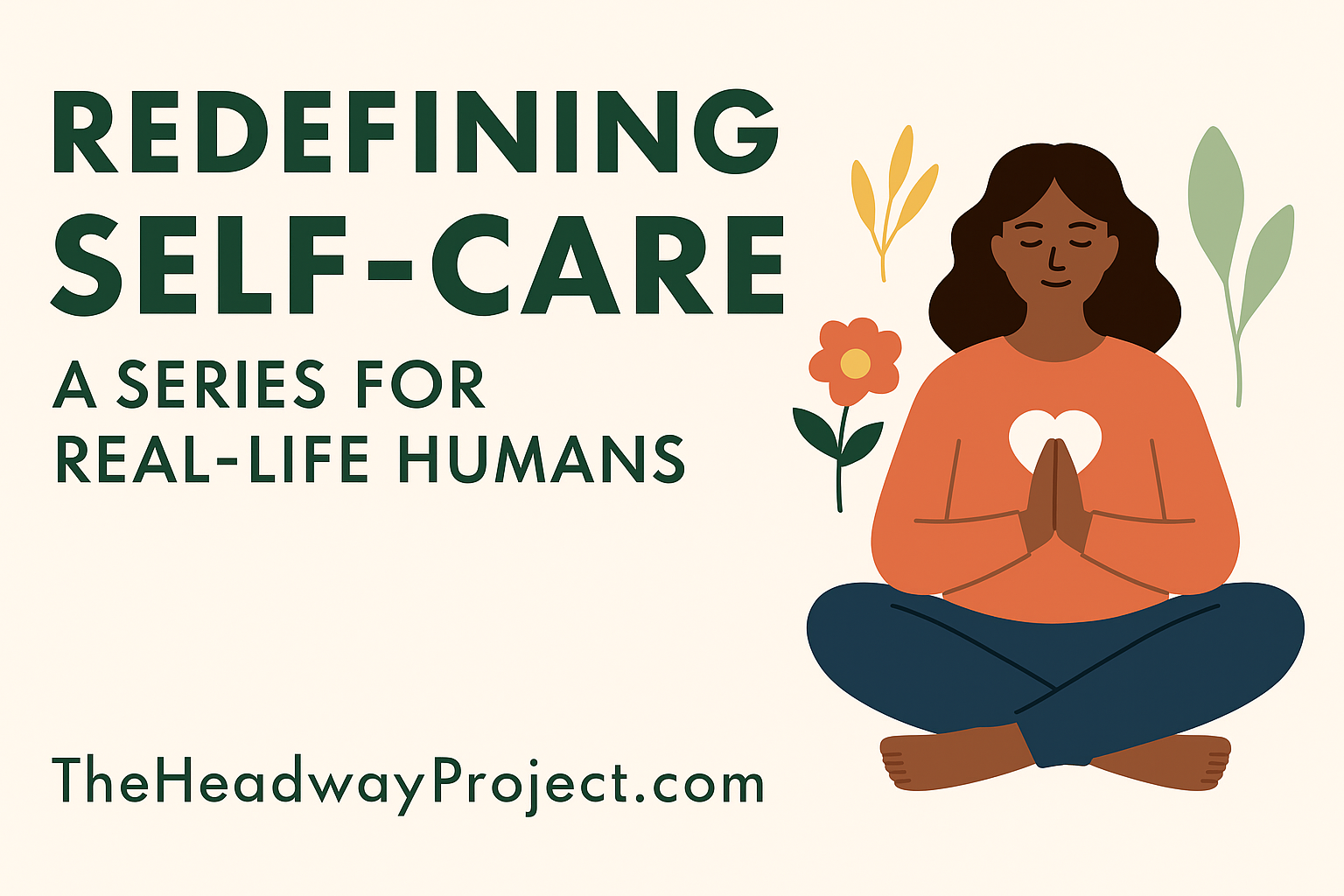
When you hear the words self-care, what comes to mind?
A bubble bath? A fancy smoothie? Maybe some overpriced candles?
Here’s the truth: self-care isn’t about luxury—it’s about survival.
It’s not something you earn. It’s not selfish. And it doesn’t have to cost a dime.
At The Headway Project, we believe real self-care is about meeting your basic needs with compassion, not perfection. So this week, we’re breaking it down in a way that makes it actually doable.
On Monday (Day 1) we talked about how self care is more than just bubble baths and spa days.
Yes, bubble baths are great. But so is brushing your teeth. Or saying “no.” Or resting without guilt.
Self-care is anything that helps you restore, not escape.
✨ Real self-care is:
Setting boundaries
Going to therapy
Getting enough sleep
Noticing your needs—without judgment
🗣 Ask yourself: “What do I need today, and how can I meet that need with kindness?”
Day 2 of our series covered Physical Self Care and tending to our body’s basic needs.
You don’t have to turn into a gym rat to care for your body. Here are five facts highlighting the positive impact of our physical health on our mental well-being.
5 Simple Truths About Physical Health & Mental Health:
Sleep deprivation can mimic anxiety and depression
Dehydration affects focus, mood, and energy
Moving your body releases feel-good chemicals (even if it's a 5-minute stretch)
Hunger and blood sugar crashes affect emotional regulation
Small wins (like flossing or standing up to stretch) = confidence + stability
🎯 Start simple: Drink a full glass of water. Take a few deep breaths. Go to bed 30 minutes earlier.
Download our FREE “26 Simple Things to Boost Physical Health” Checklist NOW!
Day 3 of our series will cover Emotional Self Care and making space for our emotions, not ignoring them or trying to “fix” them.
Suppressing your feelings doesn’t make them disappear—it just buries them deeper.
Try this instead:
Naming what you’re feeling
Writing it out
Crying (yes, it's self-care)
Talking to someone who listens without trying to fix it
💭 You’re not “too much.” You’re human.
Download our “Name It to Tame It” emotion regulation activity NOW.
Day 4 of our Self Care series discusses Mental Self Care and clearing space to think, rest, and refocus.
Your brain has tabs open, notifications pinging, and a never-ending to-do list. Here are some ways to help clear your brain of that clutter:
Journaling
Doing a brain dump
Taking a screen break
Unfollowing that account that makes you feel bad
Reading something just for fun
📦 Clear the clutter so you can hear yourself think.
Day 5 of our series looks at Social Self Care and surrounding yourself with people who respect your boundaries, affirm your worth, and support your growth.
We’re wired for connection so making and keeping healthy connections is essential to our mental health.
Some ways to care for our social health are:
Saying no to draining relationships
Asking for help
Making time for laughter, not just logistics
Sending a friend a funny meme as a check-in
🌱 You’re allowed to be independent and need community.
Finally, Day 6 of our series will discuss Self Care as a Lifestyle, not an easy fix.
Self-care isn’t something you pull out when you're on the verge of burnout.
It’s a daily practice—woven into your habits, your choices, and your self-talk.
Start small. Be consistent. And most of all, be compassionate.
💡 Self-care isn’t about becoming a different person.
It’s about returning to yourself.
Final Thoughts
If no one’s told you today:
You deserve to rest. You’re allowed to take up space.
Your needs are not a burden.
🧡 This series was created to remind you of that—one small habit at a time.
Want to Go Deeper?
Check out our printable self-care checklists, mental health tools, and guided journals at TheHeadwayProject.com
And don’t forget to follow along on social media for more daily encouragement.
Why Connection Matters More Than Ever

The Power of Connection: Friendship & Kindness Activities That Truly Work
We all want our children to feel included, understood, and confident. But for many kids, building friendships and navigating social situations can be tough—especially in new environments like school, summer camp, or after a move.
That’s why I created the Friendship & Kindness Printable Bundle—a heart-centered collection of engaging activities designed to help children build meaningful connections while learning empathy, self-awareness, and communication skills.
Benefits of Friendships for Children with ADHD
1. Boosted Self‑Esteem & Confidence
Engaging in shared hobbies like sports, art, theater, or martial arts helps kids develop skills and make friends—giving their self-esteem a major lift additudemag.com+15additudemag.com+15additudemag.com+15.
Strong friendships—especially even just one close bond—can reinforce confidence, emphasizing, “friendships are not a luxury; they’re a necessity” proceduresonline.com.
2. Enhanced Social & Emotional Skills
Friendships present natural opportunities to learn key competencies like sharing, turn-taking, flexibility, empathy, and perspective-taking additudemag.com+3additudemag.com+3additudemag.com+3.
Through social interactions, kids practice managing impulsivity—like learning not to interrupt—helping them gain essential self-control proceduresonline.com.
3. Increased Resilience & Coping Strategies
Social skills training and close peer bonds act as protective tools against teasing, bullying, and low mood additudemag.com+11proceduresonline.com+11en.wikipedia.org+11.
Friendships improve emotional well-being by lowering risks of anxiety, loneliness, and depressive feelings .
4. Improved Mental Health
Having close friends is linked to increased happiness and stronger mental health .
High-quality, stable friendships help shield against psychological issues and school dropout rates en.wikipedia.org.
5. Better Social Adjustment
Letting children play with slightly younger kids or those with gentler social interactions supports social confidence and smoother integration additudemag.com+15additudemag.com+15additudemag.com+15.
Friends from similar-interest group settings create easier social environments for learning social norms and smooth peer interactions .
6. Academic & Behavioral Gains
Peers can model appropriate behaviors—like sharing or listening—that kids with ADHD may not pick up naturally additudemag.com+9additudemag.com+9additudemag.com+9.
Encouraging cooperative schoolwork partnerships supports both social development and academic resilience.
In Summary
Friendships provide children with ADHD more than just companionship—they’re a lifeline to growth. Through the unwavering support and opportunities friends bring, children can:
Build stronger self-confidence
Develop critical social and emotional skills
Gain protection against stress, loneliness, and bullying
Reinforce academic and behavioral strengths
Even a single meaningful friendship can spark significant progress. As ADDitude notes, “having one close friend is enough to develop self-confidence”
That’s why we created the Friendship Skills Camp Workbook—a heart-centered collection of engaging activities designed to help children build meaningful connections while learning empathy, self-awareness, and communication skills.
What’s Inside?
This printable pack includes:
✅ Friendship Conversation Starters
✅ Kindness Scavenger Hunt & Challenges
✅ Loving-Kindness Mindfulness Card
✅ Friend Fact Files & Birthday Calendars
✅ Coloring Sheets & Creative Prompts
✅ Interactive Sorting Activities
✅ Mini Books for Reflection
✅ … and so much more!
Each activity is thoughtfully designed to be age-appropriate, inclusive, and easy to implement—perfect for classrooms, therapy sessions, homeschool settings, or family bonding time.
Who Is This For?
These printables are ideal for:
Teachers creating an inclusive classroom
Parents supporting social skills at home
Counselors or therapists working on emotional regulation
Camp leaders or after-school educators building connection
Whether you're prepping for Back to School, supporting a shy child, or simply encouraging more kindness in your home or group, these tools work wonders.
Ready to Start?
👉 Grab the complete printable bundle here.
And start building a culture of kindness and connection—one smile at a time.