Breathwork

This Section Includes:
Breathe in, Breathe Out: Intro to Breathing
Common Forms of Breathing
Let’s Practice It
The Power of Breathing
Breathe In, Breathe Out: Intro to Breathing
We do it all day, every day. Breathing is an automatic process that happens without any conscious effort on our part. But much like thinking, we don’t realize how important our breathing is in relation to how we feel emotionally and physically. We can go three weeks without food, three days without water, but only three minutes without breathing.
Fun fact: We take in a fresh breath of air about every 4 to 5 seconds or 22,000 times a day. That’s enough air to fill a normal-sized swimming pool!
The Process of Breathing
Inhaled air is approximately 80% nitrogen and 20% oxygen (& a small amount of other gases).
Exhaled air is approximately 79% nitrogen, 15% oxygen, 5% carbon dioxide, and small amounts of other gases, such as hydrogen.
Hydrogen in exhaled air comes from the metabolic activity of gut microorganisms, and carbon dioxide comes from the breakdown of certain proteins in the body.
When we breathe correctly, our diaphragm moves downward, pressing on our internal organs as it draws oxygen into our lungs. This moves the kidneys and other internal organs around a few centimeters, helping to keep them healthy.
We have 100 times as much carbon dioxide as oxygen in our system. Healthy breathing is maintaining a healthy balance between oxygen and carbon dioxide. Breathing slowly will increase carbon dioxide levels and relax blood vessels, allowing them to carry more oxygen. Heavy breathing lowers carbon dioxide too quickly, so slow, steady breathing with long exhales is better for maintaining proper balance.
Your breath and heart work together to keep the blood oxygenated and help blood move more efficiently through the body. Healthy breathing will lower blood pressure and reduce the workload on your heart. The chest cavity acts like a respiratory pump that helps the heart. As the diaphragm descends during an inhale, pressure in the (upper) chest cavity is reduced, and pressure in the (lower) abdomen increases. This helps move blood up from the abdomen into the upper chest cavity. The diaphragm's movement also changes the heart's physical size, influencing how quickly blood passes through the heart's chambers and thereby changing the heart rate.
In the process of breathing, when we inhale and exhale correctly, it should feel like (a 360-degree expansion of the torso).
Healthy breathing removes most of the air from your lungs, while incorrect breathing only removes a portion before you take another breath, leaving a mixture of old and fresh air. Your breath and heart work together to keep the blood oxygenated and help blood move more efficiently through the body. Healthy breathing lowers blood pressure and reduces the workload on your heart.
So, when you take a strong breath, you boost your body's power to detoxify itself. By breathing correctly, you can provide your body with better nutrition than your diet does!

Common Forms of Breathing
Hyperventilation, or when we start to over-breathe or under-breathe (hypoventilation), causes an increase or decrease in the pH levels in our bodies. To maintain a proper pH balance, it is crucial that we breathe properly.
Diaphragmatic, or deep, breathing is a deeper level of breathing that exchanges more air and helps balance respiration. This automatic process occurs as our body monitors changes in carbon dioxide levels, such as when we exercise.
Different forms of meditation and yoga advocate various breathing methods. In yoga, these methods are called pranayama. Methods include prolonging the in- and out-breaths, holding pauses on the in- or out-breath or both, alternate nostril breathing, and breathing with the glottis slightly engaged.
In music, some wind instrument players use a technique called circular breathing to produce a continuous tone without interruption. It is accomplished by inhaling through the nose while simultaneously exhaling through the mouth, using air stored in the cheeks. The technique was independently developed by several cultures and is used on many traditional wind instruments.
Singers also rely on breath control. Natural breathing has three stages: a breathing-in period, a breathing-out period, and a resting or recovery period; these stages are not usually consciously controlled. In singing, there are four stages of breathing: a breathing-in period (inhalation); a setting-up controls period (suspension); a controlled exhalation period (phonation); and a recovery period.
Coherent breathing is a method that involves breathing at a rate of 5 breaths per minute, with equal periods of inhalation and exhalation, and conscious relaxation of anatomical zones.
In tai chi, anaerobic exercise is combined with breathing exercises to strengthen the diaphragm muscles, improve posture and make better use of the body's qi.
In qigong, reverse breathing is a breathing technique which consists of contracting the abdomen and expanding the thoracic cage while breathing in through the nose and then gently compressing it while exhaling through the mouth, which is the opposite of what an abdomen would do during natural, diaphragmic instinctive breathing. The technique is also widely practiced in a number of martial arts. Some notable ones include Chinese systems such as baguazhang, tai chi and other styles of kung fu. Reverse breathing is believed to activate healing and protective qi as the practitioner is consciously controlling the breath in a way opposite to normal breathing. By expanding the abdomen while delivering some technique (e.g. punch), the martial artists also protect the inner organs from any received counterattack.
How Our Brain Monitors Breathing
Our brain is always monitoring our breath and notices even the slightest changes in our breathing:
• When we inhale, our heart rate increases
• When we exhale, our heart rate decreases
• A long slow exhale will lower our heart rate and blood pressure
If we aren’t breathing correctly, our brain notices and sends signals, releasing stress hormones into the body. When we get stressed or excited, our breathing changes to maintain or balance carbon dioxide levels.
We activate our parasympathetic nervous system by consciously taking deeper breaths and longer exhales. This system calms us down after our fight-or-flight response is activated. It triggers our body to slow down and our breathing and heart rate cool us down.
It’s good practice to do this manually several times a day: take a few deep, long breaths, clear the stale air from your lungs, and calm your nervous system. The STOP procedure is a good model: Stop, Take a deep breath, Open yourself to all possibilities, and Proceed with the best option for the situation.
The nerves that stimulate the chest cavity wall are triggered by taking a deep breath, signaling to the brain that everything is fine. This is known as the “sigh of relief,” which usually happens after an emergency or crisis is over. Our brain responds by reducing the flow of stress hormones released during fight-or-flight mode.
“Dysfunctional breathing is the respiratory equivalent of eating fast food 23,000 times a day.””


Let’s Practice It
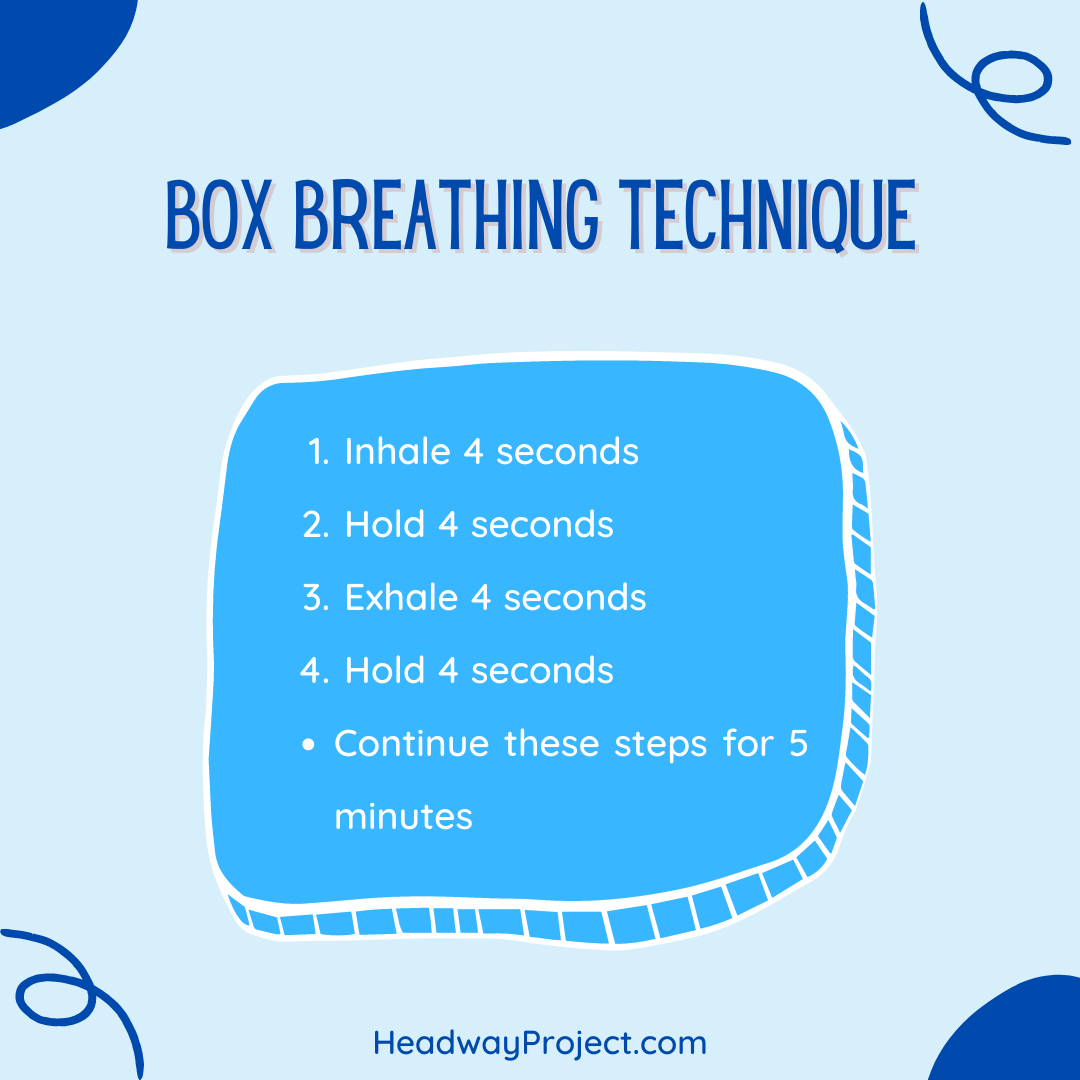
•Sit in a comfortable, upright, and alert posture; focus all your attention on the sensation of breathing.
•Select a region of the body to focus on.
•Maintain attention to the sensation of breathing. Notice the sensation of the air entering through the nostrils or the movement of the abdomen in and out.
•When your mind wanders from those sensations to other topics, thoughts, or memories gently bring it back to the sensation of breathing; it stands out

Story by Richard Dismukes
A friend shared a story with me that highlights the connection between breathing and heart rate. He was exercising on a treadmill and maintaining his heart rate at 120 beats per minute. He had been walking for about 20 minutes when he received a routine text message that took his attention away from his breathing. He briefly responded to the text while walking at the same pace. When he returned his attention to his breathing and the monitor, his heart rate had climbed to 160 BPM in the 10 seconds, or so it took to look at the message.