
Parents and Children

Best Parenting Practices
Parenting is one of life’s most fulfilling experiences, but it also comes with significant challenges. Parents serve as both caregivers and teachers, and it is vital to remain flexible in their teaching approaches, as every child learns differently. The key is to choose parenting tools and strategies that best fit your unique situation.
Everyday Interactions

Every interaction with your child is a teaching interaction. Children are continually absorbing information—ideally, the skills and values you wish to instill. Deciding which parenting approaches to use and when to implement them can be confusing and overwhelming. The choices parents make have a lasting impact on their child’s development.
Modeling and Consistency

Two essential components of effective parenting are modeling desired behaviors and maintaining consistency. Children are more likely to imitate what their parents do than what they say, making it important for parents to lead by example. Consistency allows children to anticipate your reactions and adjust their own behavior, giving them a sense of control. Getting everyone involved in raising your children—such as grandparents, babysitters, teachers, and siblings—on board with your parenting plan is also vital.
Healthy Family Characteristics

It’s a common misconception that healthy families are the ones that never fight or have "perfect" lives. In reality, a healthy family is defined not by the absence of struggle, but by how effectively its members navigate that struggle together.
Healthy Family Characteristics:
Family members listen to understand, not just to respond.
Disagreements are resolved with respect for healthy emotional and physical boundaries▪
Parents and children can count on each other to follow through on promises.
Healthy families each family member as an individual with an opinion
Adults have healthy authority
Consistent, fair, and age-appropriate rules and expectations are established
Rituals create a sense of belonging.
Meeting each person’s needs (as much as able or appropriate)
All members of the family feel safe and secure
Expecting mistakes and forgiving in a healthy way
Establishing Boundaries and Authority

Research shows that children whose parents set clear boundaries and maintain authority tend to grow into self-reliant, independent, academically accomplished, socially accepted, and well-behaved adults. This highlights the importance of establishing rules and maintaining parental control, while also avoiding an overly controlling approach. Striking a balance is key in effective parenting.
Balancing Discipline and Relationship

When addressing a child’s behavior, it is crucial for parents to pause, take a moment to breathe, and refocus their intentions. Parenting involves continuously balancing the need for discipline with the importance of maintaining a positive, nurturing relationship with the child. In certain situations, parents must decide whether to prioritize the parent-child relationship or focus on correcting specific behaviors.
Unhealthy Family Characteristics

Unhealthy Family Characteristics Include:
Lack of empathy and respect for others in and out of the family
Lack of boundaries and privacy
Poor communication, secrecy, and isolation
Controlling authority
Unhealthy drug use
Conflict and chaos
Rules are inconsistent and unfair
Blame and ridicule
Love and affection are contingent upon meeting the parents’ expectations or serving their needs rather than being freely given based on the child's inherent worth.
Abandonment and neglect
Communication is about maintaining power and control
Triangulation, blackmail, and gaslighting
Passive-aggressive behaviors or speech

Best Parenting Practices
Balancing Correction and Connection in Parenting
Parenting is an ongoing process of finding balance between providing corrective feedback and maintaining a loving, supportive relationship with your child. It requires thoughtful decisions about when and how to offer guidance and when to nurture the bond you share.
The Importance of Structure and Emotional Connection
If you feel uneasy about upsetting your child, you might prioritize the relationship and give in too often. While this can preserve harmony in the moment, it may inadvertently weaken your child’s ability to develop self-discipline. Children need structure, rules, and guidance, as well as love and support. Connecting on an emotional level before correction can be helpful, but there are times when being firm and saying no is necessary. Discipline starts in the external world and gradually becomes internalized as children learn to regulate their own behavior.
Risks of Over-Control and Lack of Boundaries
Excessive control can negatively impact children, leading them to suppress their emotions, be afraid, and have difficulty with authority figures. A child who cannot express disagreement with a parent may struggle to assert themselves as an adult. Conversely, a child permitted to behave selfishly or aggressively may grow up to be controlling and manipulative. Achieving a healthy balance between guidance and freedom is challenging and demands a tailored approach for each child.
Evolving Parenting Practices
Parenting methods have shifted over time, generally moving away from (old school) strict obedience more toward nurturing cognitive development and positive self-image. Some children need more structure, while others benefit from greater autonomy and encouragement. With new strategies and techniques available, it is important to select the approach that best fits your child’s unique needs. Parenting is arguably the most important job in the world, and it calls for ongoing learning and adaptation. While perfection is impossible, certain core practices are characteristics of a healthy home.
Best Practices:
1. Spend quality time with your children daily. This can be tricky because kids can be noisy, messy, and uncompromising. Parenting can be exhausting and require more energy than you have. Even so, quality time is the foundation of your relationship. At least twenty minutes a day is recommended, but give them as much time as you can and try to be there in mind, body, and spirit. This is not a time to multitask; kids need your full attention. Quality time is much more important than spending a lot of time passively watching the child play games or entertain themselves.
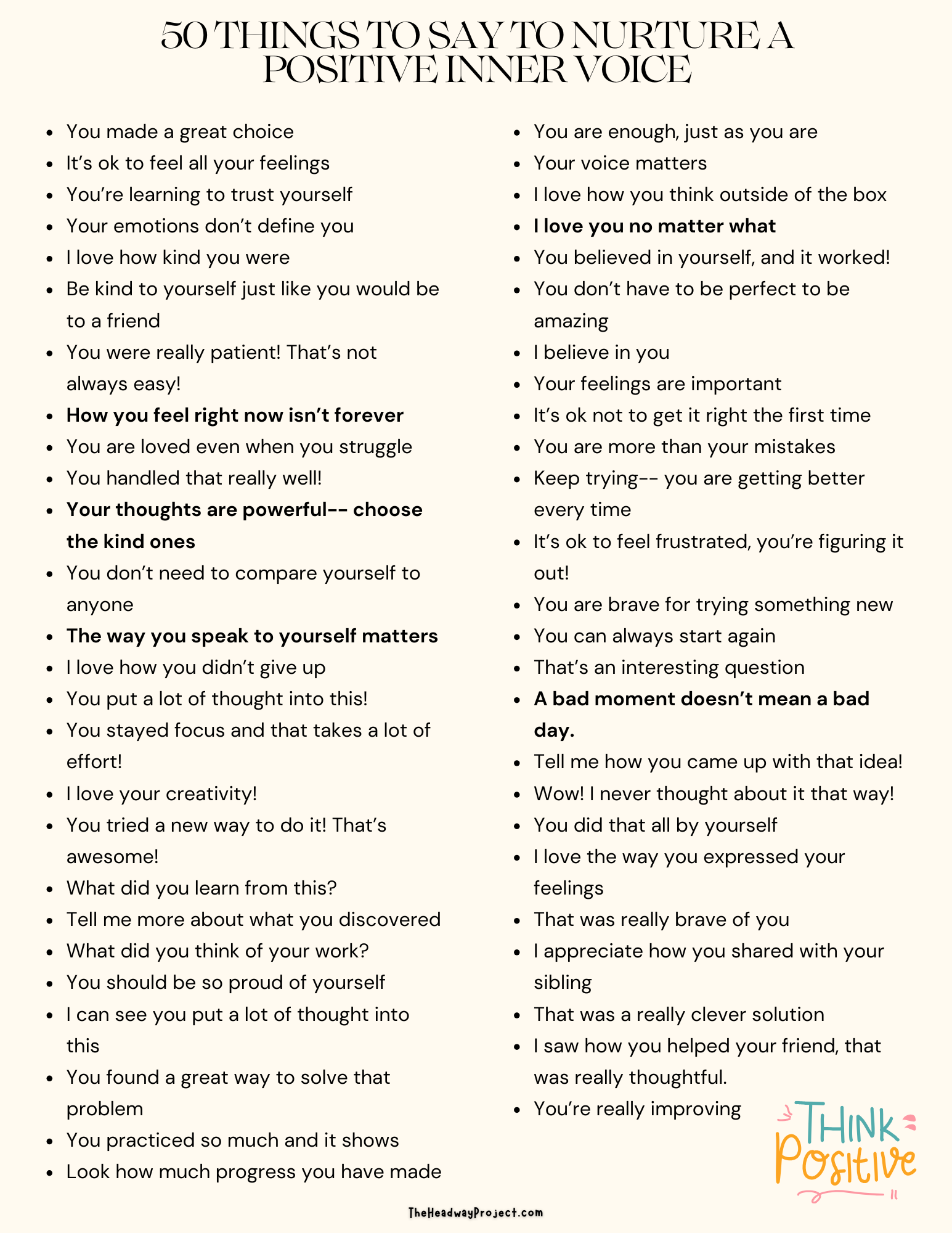
2. Keep an open mind about what might be happening in your child’s life. Try not to judge or assume motives. Instead, try to create a safe atmosphere where you can talk with your child when they are having problems. You are trying to manage your child’s behavior, but it’s important to remember you are also trying to influence the narrative developing inside the child’s mind. Is the world friendly or unfriendly? What do others think of me? What do I feel about myself? What are parents, teachers, and caregivers like? What happens when I experiment or become creative? What happens when I refuse? These questions are answered when parents and caregivers respond to a child’s behavior. What a child is thinking is just as important as what they are doing. The words they hear will eventually become their inner voice.
3. Always keep your cool. Stay calm, especially if your child is having trouble staying cool. Keep your stress level under control and never discipline when angry. Be willing to listen and find ways to create a safe environment so your child always feels safe. It is natural for them to disagree. That is how they develop confidence, self-assurance, and emotional intelligence. Kids do not respond to anger logically; if they see you screaming at a bad driver, or parents being upset with each other, they internalize the rage and react emotionally, likely thinking you are mad at them, it's their fault, or they are the reason you are upset.
4. Positives always work better than negatives. The recommended ratio is 3 or 4 positives to every negative interaction. You may not be able to avoid punishment, but try to teach the behaviors your child needs through positive reinforcement; this works much better than punishment, criticism, or scolding.
A common phrase in the positive parenting literature is to “Catch your child being good.” This refers to the art of noticing and reinforcing small positive behaviors. Small steps in a positive direction lead to powerful changes over time as positive behaviors compound. Celebrate small accomplishments, and your child will likely continue on this path.
5. Model the behavior you want to see in your child. Be the person you want your child to be. Letting them know who you are and how you feel in a loving way can go a long way toward helping them learn to express their feelings. Remember, your words and actions determine their inner voices. When you make a mistake, be willing to apologize to them so they learn to accept responsibility and apologize when they make one. Be human; don’t pretend to be an expert or perfect. This will help your child accept and care for themselves when they make mistakes, rather than setting up rigid expectations they can never meet. This is the beginning of a growth mindset.
6. Never argue with a child. This is always an invitation to a power struggle (not wanting to eat a particular food or refusing to do what you ask, refusing a chore, ignoring you). This is where “act, don’t yack” comes in. Use a backup consequence, temporarily lose privileges, cut off a device, give a count of 5, use stop-and-think procedures, try breathing exercises, find a place to regroup, or use self-calming techniques.
7. Don’t let the children get caught in the middle when parents are fighting. Disagreements are normal, but if they get serious, keep the adult issues at the adult level. Let kids be kids; do not expect them to be little adults. Remember what it was like for you when you were young. Each age has its own developmental level, and the child will generally let you know what they need if they trust you, your relationship is good, and they feel safe. Be honest, but prioritize the relationship and safety over any need you may have to control or to tell or know something about your partner (usually arising from your anxiety about something).
8. Take care of yourself. Parents must take care of themselves to teach children to care for themselves. You cannot teach what you do not know or give what you do not have; kids will figure this out much quicker than you think. Managing your mental health will go a long way toward helping your child develop theirs.
9. Share your ideas with others and learn as you go. When you discover that you do not have all the answers, open yourself up to learning new skills. Other parents are also trying to learn and may need your help, or vice versa.
10. Understand the function of your child’s behavior. Children frequently do not know how to express their emotions, so they communicate with their behavior. Adults need to read the child’s behavior and meet the child's needs to help the child solve problems on their own.

Helping Children Manage Their Behavior
Richard Dismukes, LPC
The Challenge of Desire and the Role of Self-Control
Controlling desires and cravings is a significant challenge, particularly for children. This difficulty is entirely normal and can even play a positive role by motivating growth and encouraging future achievements. However, while desires can be beneficial, it is crucial for children to develop self-control to function successfully within society.
Understanding the biological basis of control and desire helps parents support their children. Dopamine, a chemical messenger, is key to forming neural connections that influence personality and behavior. The desire circuit drives creativity, motivation, and the pursuit of wants, while the control circuit is associated with self-discipline, logic, and reason. These circuits must be balanced for healthy development, and parents play a crucial role in fostering this balance.
The Desire Within, A Five-Session Video Series: Session 1
The Desire Within: Session 2
The Desire Within: Session 3
Supporting the Development of the Control Pathway in Children
How Can We Help Children Develop or Strengthen the Control (Executive) Pathway?
Children are not born with control skills; rather, they possess the potential to develop them over time.
Understanding Executive Skills
The abilities connected to the control circuit are often referred to as “Executive Skills.” These include a wide range of competencies such as attention, planning, organizing, time management, flexibility, perseverance, metacognitive skills (the ability to think about one’s own thinking), and social-emotional intelligence. Executive skills are essential for healthy development, and they are refined and improved gradually over many years.
Developmental Variability and Individual Needs
While most children develop executive skills according to typical patterns, some experience delays, and these abilities may emerge later than in their peers. Each skill follows its own developmental path, leading to significant variability across children. When children face developmental delays, environmental challenges such as trauma or adverse childhood experiences, or multiple areas of difficulty, they may struggle to keep pace with others. In these cases, it is important to adjust expectations and provide tailored support to help the child function well and, ideally, make progress toward catching up.
The Desire Within Session 4
Rewards or consequences will not automatically strengthen the control circuit. Consequences are helpful; they teach children about boundaries, which will help keep them safe, and consequences might also increase motivation to develop more control. However, strengthening the control circuit takes more than appropriate consequences for behaviors. Rewards strengthen healthy behaviors, but developing control skills requires spending time with children and teaching them patience, self-regulation, organization, noticing how other kids are reacting to them or when they are off track, and not giving up when life becomes difficult. This is accomplished, in part, by instruction and guidance, but also by modeling and shaping the skills you want your child to develop.
It is equally important that parents work on controlling their desires and wants and demonstrate self-control at the adult level. When children have a close bond with their parents and observe these behaviors in them, they will typically follow suit.
Some children will need more support than others. The control circuits are not fully developed physically until the mid-20s (but this varies greatly). The skills associated with these pathways continue to strengthen throughout life, and some people never develop a healthy balance between control and desire. It is important to be patient with children because these desire-or-pleasure circuits come online earlier and are more powerful than executive skills (the brain develops from the bottom up). Desire develops naturally, whereas executive skills must be learned through experience.
Developing Executive Skills and Self-Control in Children
Executive skills—such as attention, planning, organization, time management, flexibility, perseverance, metacognition, and social-emotional intelligence—do not emerge overnight. Instead, these abilities develop gradually throughout childhood and adolescence. It's important to recognize that not all children acquire these skills at the same rate. For many children, mastering executive skills requires breaking them down into smaller, manageable sub-skills, which can then be taught and reinforced individually to support the child’s progress.
Role of Academic and Daily Activities
Academic skills such as reading, writing, and arithmetic play a crucial role in establishing the brain’s control circuits, as they involve the practice and integration of a range of sub-skills. In addition to academics, self-help and self-care routines are essential for building independence and responsibility. Participation in athletic activities also contributes significantly, as these pursuits foster balance, coordination, teamwork, and self-discipline. Approaches that specifically target and improve attention are particularly effective in strengthening a child’s self-control circuits.
It is natural for children to be driven by desires and impulses; until their control skills are fully developed, they may be challenging for parents and caregivers to manage. Rather than placing blame on the child for struggling to manage their desires, it is important that parents reflect on their own role in modeling and explicitly teaching these executive skills.
Practical Support Strategies for Parents
To better support children, parents can break executive skills down into their component behaviors and identify specific skill sets to nurture and strengthen. The following section will take a closer look at what some of these component skills might look like during childhood.
The Desire Within: Session 5
Building Executive Skills
Attention:
Slow down when you are going too fast. (self-control)
Stop and think about what lies ahead rather than reacting impulsively.
Listen and sustain attention.
Sustaining independent work.
Organization:
Clean up and put things away and in their place
Keeping toys and possessions organized
Take care of your things
Planning:
Painting, drawing, writing, coloring, or creative arts all involve planning
Thinking ahead about needed materials, timing, sequencing, finalizing, and displaying
Making a list to help remember things to get or do
Time Management:
Getting up and dressed on time
Stopping games when requested, time limit on screen activities
Getting to bed on time
Waking up on time
Waiting for your turn in games or waiting for the blessing before you eat
Flexibility:
Playing cooperatively/sharing with others
Accept your flaws or imperfections
Apologize when you make a mistake
Being a good sport when you lose a game or something of value
Perseverance:
Finishing what you start
Doing things alone on your own or without assistance
Not giving up – developing a growth mindset
Ability to delay gratification
Saving for the future
Taking care of pets, flowers, or plants
Metacognitive Skills:
Thinking about what you are saying or doing
Telling the truth (awareness of dishonesty)
Awareness/noticing/expressing your emotions
Awareness, noticing, thinking about, or helping others
Social Emotional Intelligence:
Manage emotions and stress
Calm down, breathe, and check yourself when upset
Empathize with others:
Kindness/helping others
Sharing your things with others
Helping someone out
Everyday Strategies to Strengthen Executive Skills
Executive skills can be strengthened through simple, everyday activities. Playing games that require taking turns helps children practice patience and self-control. Working on puzzles encourages focus and problem-solving. Activities that strengthen gratitude, such as saying a prayer before a meal—pausing and waiting until it is time to eat—or doing small acts of kindness for others, also provide valuable opportunities for children to develop these essential skills. One of the most important skills is to stop and think before you act. Our stop technique handout (see link below) is our most-viewed item, but we have many other handouts to help develop executive skills.
Intentional Parental Support for Building Self-Control
Parents play a vital role in deliberately introducing and reinforcing behaviors that foster greater self-control in their children. They can offer limited choices, such as letting children select between two acceptable options, helping them experience a sense of control within safe boundaries. By explaining the potential consequences of different actions—without condemning—the parent can guide thoughtful decision-making. Reviewing the pros and cons of choices, assigning age-appropriate jobs and responsibilities, and allowing children to make reasonable decisions further promote self-sufficiency and independence.
Creating Opportunities to Practice and Reinforce Skills
Parents can create situations that encourage children to think before reacting, spend time alone, or solve problems independently rather than always relying on adult help. Encouraging children to be content at home and guiding them to pause, slow down, reflect, and collect themselves helps build resilience. When parents prompt these behaviors and provide social praise and positive reinforcement, children’s executive skills are further strengthened. However, it is important to remember that children often need explicit guidance to understand which behaviors are valuable. Consistent modeling and well-considered prompts from parents are essential for fostering these skills.
Modeling Self-Control in Challenging Situations
Maintaining self-control can be challenging for parents, especially when children are being difficult or refusing to listen. However, it is during these moments that parents must demonstrate calmness and model the behavior they wish to see in their children. Reacting with anger—such as yelling, threatening, or hitting—only reinforces negative patterns and models a lack of self-control. Instead, showing composure in stressful situations teaches children how to manage their own desires and frustrations effectively.


Relationships and Parenting Effectiveness
The relationship between parent and child is a foundational element that determines how effective any parenting strategy will be. When the relationship is strong and positive, children are more likely to comply with requests, listen attentively, and seek parental approval. It is important for parents to prioritize maintaining a healthy and positive relationship with their children, especially when faced with challenging behaviors. Enforcing compliance should not come at the expense of the relationship. In fact, with difficult children, focusing on the relationship is even more crucial than stressing compliance.
Discipline and Consequences
Consequences are an unavoidable part of life and play a key role in teaching children about rules and structure. Parents are responsible for preparing children to develop self-discipline by providing experiences, opportunities, and clear examples of successful behavior. Through these experiences, children learn to internalize discipline and understand the importance of following guidelines.
Punishment in Parenting
While consequences help teach important life skills, punishment as a parenting tool is limited in its effectiveness. It may provoke unpredictable reactions from children, escalate negative behaviors, and harm the parent-child relationship. Punishment does not foster growth or impart necessary skills for long-term development. It is essential to remember that each child is unique, and solutions must be tailored to meet individual needs.
Natural Consequences and Learning
Allowing children to experience natural consequences is often a powerful teaching method. For example, a child who runs too fast may fall, or a child who is dishonest may lose trust. These experiences teach lessons without anger or disappointment from parents. Nature provides clear feedback, helping children recognize the real value and impact of their choices.
Growth-Focused Discipline
Consistency in enforcing rules and providing choices is essential for effective discipline. When parents are inconsistent or improvise rules, children may develop values that do not align with the natural order and may misunderstand expectations. Social consequences alone may not always produce the intended lessons. Therefore, parents should guide children by establishing consequences that mirror natural laws, offering choices, discussing possible options, and shielding them from severe real-world outcomes when appropriate. Active, involved guidance is more beneficial than taking a hands-off approach.
In exploring various parenting strategies, it is important to remember that achieving compliance should not always be the end goal. Sometimes, the most valuable lesson is teaching children acceptance and helping them learn to cope with situations beyond their control.

Tips for Tricky Transitions for Kids with ADHD

Download a FREE copy in our Handout section or click on this picture!
Helpful Parenting Techniques
-
The term Gentle Parenting was created by Sarah Ockwell-Smith, who specializes in the psychology and science of parenting and attachment theory. Ockwell-Smith is a mother of four children and has written thirteen parenting books. She received an Honors Degree in Psychology and specialized in child development. After five years of working in Pharmaceutical Research and Development and becoming a Mom, she changed career paths and retrained as an Antenatal Teacher, Hypnotherapist, Infant Massage Instructor, and Doula.
-
Collaborative Problem Solving is an evidence-based method created from neurobiological research done by Dr. Ross Greene and Dr. Stuart Ablon. This parenting method teaches parents and children skills to resolve problems and strengthen relationships.
It helps to reduce challenging behaviors, increase compliance, and improve family relationships.
Collaborative Problem solving is based on the understanding that many children lack the skill, not the will to behave well. Particularly skills that are related to problem-solving, flexibility, and frustration tolerance. However, it avoids the use of power, control, and motivators.
-
Mindful Parenting is the art of being well with whatever is going on in the moment. This contrasts with not being well or struggling to change things, or avoiding dealing with pain or discomfort. It is focusing your attention on what you are feeling in the moment and nonjudgmental awareness.
The goal for a mindful parent is to observe when you are not calm and centered and then bring yourself back to the center—to manage your own emotions and behaviors so that you can help your children do the same.
Before we start trying to teach our children how to cope with anger, stress, and difficult problems or situations, we need to be sure that we are able to cope with our own anger, stress, etc. We can do this by bringing our conscious attention to the present moment instead of letting our emotions control us.
When parents lose their cool, it can be really scary for a child. So, modeling our children healthy ways to deal with stress is of the utmost importance.
-
Dr. Thomas W. Phelan’s book, "1-2-3 Magic: 3 Step Discipline for Calm, Effective, and Happy Parenting", was released in 1995 and continues to be a top parenting tool used today. Dr. Phelan’s program is the “world’s simplest discipline program for parents with kids aged two to twelve years old.” His program uses a counting system that helps set limits for kids using three steps.
The procedure is simple. When a child does something wrong, the parent counts “one,” letting the child know they are headed in the wrong direction. If the child stops, the parent thanks the child. If the behavior continues, the parent counts “two,” which signals the child that they will receive a brief time-out if they continue. If the behavior stops immediately, there is no consequence, but if the behavior continues, the parent immediately counts “three,” and the child must go to time out.
The Secrets of Peaceful Parenting
In this episode, Dr. David Hanscom continues his discussion with Ruth Freeman, a psychotherapist and founder of Peace at Home Parent Solutions. She discusses several basic principles and techniques for peaceful parenting that can help parents build a stronger connection to their kids. This includes focusing on relationships rather than compliance, showing up for what’s right with your kids rather than what is wrong, practicing reflective listening and coaching kids to solve their own problems when appropriate. For more information, visit: https://www.peaceathomeparenting.com.
Powerful Parenting Strategies for Neurodivergent Kids


-
“The Kazdin Method for Parenting the Defiant Child” by Alan E. Kazdin, Ph.D., is packed with valuable information to add to your parenting toolbox. The Kazdin method provides us with a method for changing your child’s behavior based on what’s currently known about scientific studies. Here, there are no unsupported opinions about children or childhood.
Tips for Tricky Transitions for Kids with ADHD
〰️
〰️
-
Dr. Cloud and Dr. Townsend state that a “boundary is a property line that defines where one person ends and someone else begins.” When we are aware of our own boundaries and the boundaries of others, we know what is expected of us and of others. Each person is responsible for their own feelings, behaviors, and attitudes. This is important because a child must know and understand the three following things to begin using boundaries.

Parenting Young Adults
Parenting a young adult is complex. The work starts the moment they enter high school. If you do these steps to prepare them and prepare yourself, it will help both of you as they transition to the next phase of their life. Once they are out of high school, they will either head onto secondary education or enter the workforce, hopefully. Either way, they will most likely need and want guidance from their parent(s). Understanding how to best parent at this stage will help your young adult transition to complete independence.
Preparing before they transition to Adulthood
Some Basic Skills They Will Need (Do Not Assume They Know):
plan their day ahead and plan well
use their alarm and have a backup, especially on important days
calming themselves especially when anxiety and stress occur (help develop their resiliency; more on this below)
interact with adults & teachers on their own and how to advocate for themselves
managing relationships (professional, friendships both platonic and romantic & how to stay safe)
clean a home (explain how often to do each task)
how to mail/ship items, set up a service for mail, and the importance of checking it regularly
wash their clothes and dishes
make a grocery list and how to navigate a grocery store well
cook their favorite foods and care for a stove, oven, grill, etc
care for meats and other foods and when to throw products out
how to balance daily food and liquid intake
develop a good exercise routine
use an iron safely and other household equipment (and know when it’s time to replace it)
learn general maintenance of the home and yearly checks such as plumbing (use of a plunger, fix for a running toilet, how to unclog drains, etc.)
choose businesses when you need different services (plumbers, HVAC, Internet, appliance repairs, etc)
use a map and navigation tools
gas their car and general maintenance of a car (check the oil level, add oil, air tires, change tires)
use Lift, Uber, and other transportation companies safely
get around safely in different environments (big cities, small towns, etc)
drive in different road systems and crossing bridges, etc. (if you are not able to take them to these places, try to find some pictures or videos of them and discuss the best ways to handle them)
balance a checkbook, make a change, save money, pay online, and why you need a credit score
find services they may need, like finding a doctor or dentist on their own or counseling
learn what to do if an item like their wallet, car, or anything becomes stolen
the dangers of drugs and alcohol (what each type is, their levels of strength, and understanding their body weight and the effects of that with each)
party/social drinking safety (Don’t leave a drink or food unattended)
take a self-defense course
the importance of locking doors (car, home, etc.) and managing keys
caring for a plant and a pet
teach them ways to not be wasteful with money and when there are times when it is okay or best to spend when it is needed (ex., If you are not feeling well and need to purchase a water or Gatorade, sometimes it’s best to purchase it at the closest location and not worry about finding where it is cheapest.)
go to games, concerts, etc, safely and smartly
navigate an airport, train station, bus station
prepare a medicine bag and how to handle sickness on their own and when to go to a doctor or ER (also, checking expiration dates)
teach them to understand what anxiety and depression look like and when it is time to seek help
teach them to understand what “the worst day” can look like, what is going on (hormones increasing the strength of the feeling instead of what you are truly feeling), and how to best make it through a day or period of time like that (and that a day like that happens to all of us at least once in our lives and usually a few times in our lifetime, but they almost always pass with time).
realize you will not be able to teach them everything, but by helping them learn a lot of these skills, they will also learn how to figure things out on their own, too
The Big Day
-The day your child moves away from home is an important day for both of you. Plan it well.
-Plan together what they will need
-Help them make smart purchases for their new place
-Have a plan for the move-out day (how to box everything, how to move things in, how and when to clean and bring things in, last-minute purchases, and closest stores)
-Once they have organized their place as best as possible, plan what you will say to them before you leave (having an idea for this a few days ahead will be helpful). They will hang onto your words, so choose them wisely. Be supportive and positive, and make sure they know they can always call you if they need anything or want to talk.
-Remind them to deal with problems as soon as they arise, not wait or procrastinate, and that you are always there to provide advice and support as needed.
-If they are moving a long distance away, possibly stay an extra night in a hotel so you are there in case any problems arise.
Once the Transition is Complete
Once you leave and they have moved, your role has now changed. You are now there for advice and emergencies, but they must be independent and try to do everything themselves. They will make mistakes, and it is our job to allow those to happen and not try to step in and save the day. Self-reliance is the way they will learn how to be fully independent. The faster you accept this and implement it, the quicker they learn and transition into trusting themselves. When you step in, you hold them back from their personal growth.
What to expect the first year
There are some usual stages your young adult will probably go through as they transition towards adulthood and independence. These are normal, so don’t be too worried (article on The W-Curve Model). It’s part of the process. Below are behaviors you should be concerned about and step in if you see occurring (article on Warning signs of depression).
The W-Curve Model
https://www.mayoclinichealthsystem.org/hometown-health/speaking-of-health/the-w-curve-theory
Warning signs of depression
Understanding what is within normal range and when there are warning signs your young adult may need help.
Resiliency
The best tool you can give your child is resiliency. If you can teach this before they leave your home, they will be well prepared to handle any obstacles that come their way. If they have not learned this by the time they leave your home, it will take longer to navigate any difficulties they encounter. We see this all the time now with college students and inside counseling offices that are overbooked. Why? They are struggling because they have not learned resiliency. Parents want to step in and fix everything so their child feels no pain, but that is actually just delaying their learning, developing a sense of dependence, and lowering their self-assurance.
Use this excellent article, “Five Science-Backed Strategies to Build Resilience” by Kira M. Newman, to help you create resiliency in your child or in yourself.
https://greatergood.berkeley.edu/article/item/five_science_backed_strategies_to_build_resilience
Another great article to check out is by Dr. Kevin Elko.
We are seeing the effects of this deficit now in the workplace as well. Young employees no longer manage criticism well, and the work environment is greatly affected. Employers must spend long hours handholding employees and focusing on them at the cost of the time and energy needed for the business and its customers. Employees lacking resiliency puts an unnecessary burden on leadership, and everyone’s quality of life is affected, and the business suffers. In turn, this affects all of us.
When we take time to teach children these important lessons, we set them up well to handle all of the daily experiences of life. The more they feel ready and self-assured, the more enjoyment they can find in their lives and the better our world works for all of us.

Helpful Videos about Parenting
Video about Self Care Strategies for Parents
Book reading about why it is important to follow rules
Parent Handouts