
Essential Skills for Strong Connections
Flexibility
The ability to be flexible and adaptive is a crucial skill to foster meaningful connections with others. Flexibility enables us to adapt to diverse personalities and adjust our approach to accommodate individuals who are different from us, allowing us to connect with more people. Flexibility also allows for a degree of open-mindedness, enabling us to be receptive to new ideas and encourage deeper conversations, even with those who disagree or hold different viewpoints. This enables more effective conflict resolution by allowing us to find common ground when disagreements arise. It also helps with empathy, as we are better able to understand other people‘s perspectives, which in turn helps us build trust and deeper relationships. Overall, flexibility reduces pressure and creates a more relaxed atmosphere, allowing genuine interactions to occur and strengthening social connections.
Action Steps To Strengthen Flexibility

Learn to Accept Change: Practice adapting or responding deliberately rather than reacting quickly and getting frustrated. View the unexpected as opportunities for growth and connection.

Be more Approachable: Maintain a friendly and open demeanor. Smile and use inviting body language to encourage others to connect with you more easily.

Reflect and Adjust Regularly: Evaluate your experiences to learn and adapt for the future. Be willing to break away from strict routines to accommodate others’ needs, such as rescheduling plans or adjusting your routines.

After social interactions, reflect on what went well and what could be improved. Use these reflections to adapt your approach in future situations.

Engage in Team Activities: Participate in group sports or collaborative projects to develop social flexibility. Learn to work with different people and various personalities.

Try New Things: Step outside your comfort zone by exploring new activities. Do something you have never done before, or look at something you do through the “beginner's mind” as though for the first time.
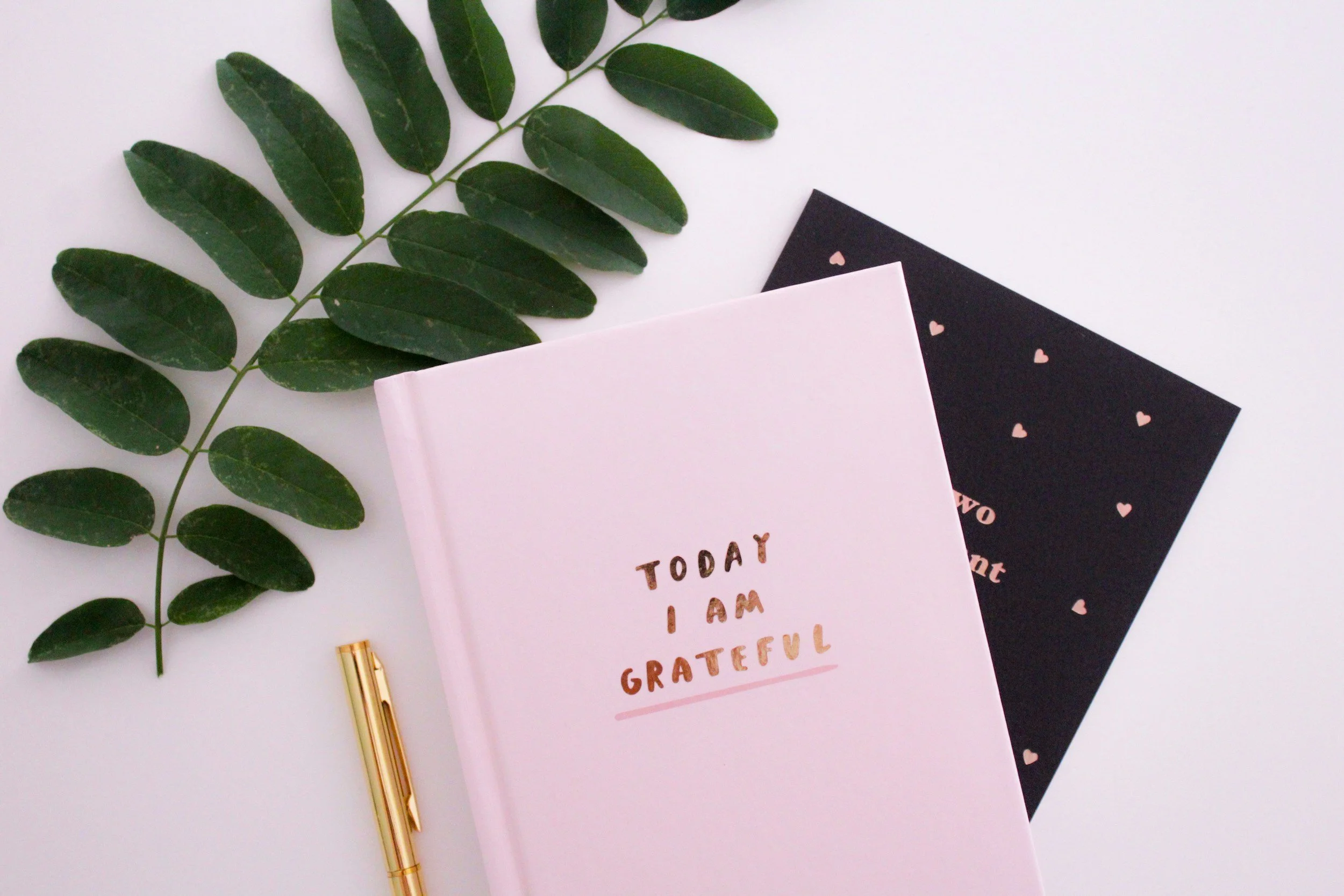
Practice Gratitude: Keep a gratitude journal to foster a positive, more adaptable mindset.
Practice Active Listening: Focus on truly listening and hearing others to understand different viewpoints and connect with people who are different, summarize their viewpoints to demonstrate understanding, and validate their feelings.
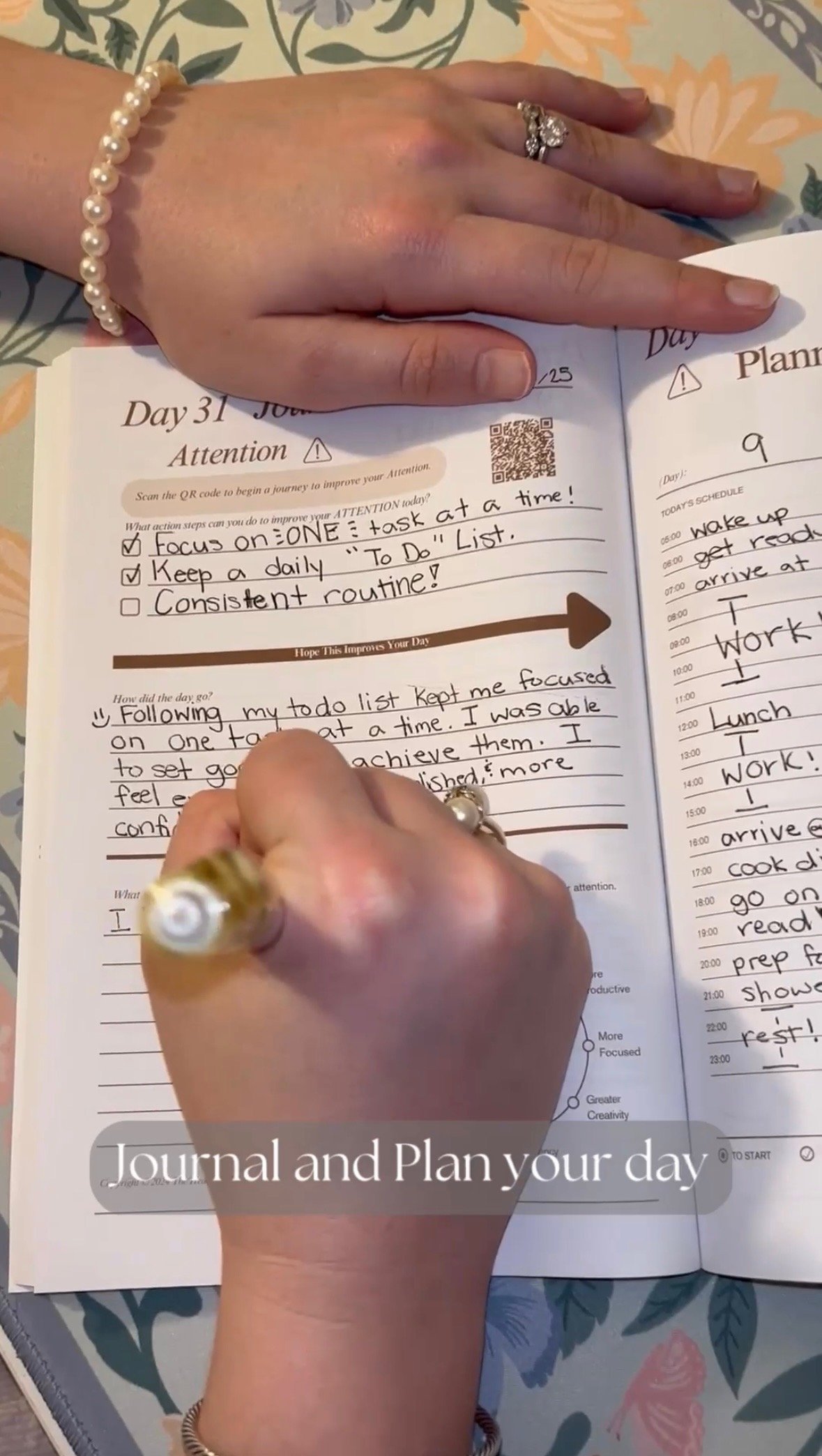
Adjust goals as circumstances change. Try to avoid rigid plans and create broader objectives that evolve with changing circumstances. Have a plan, stick to it, and be prepared for the unexpected.
Flexibility fosters collaboration at work, enabling us to work towards common goals and function as a cohesive team. Being more flexible also increases resilience, allowing us to approach challenges in a more positive manner. This enables us to inspire others to be more creative and build stronger social networks. Overall flexibility fosters a supportive, nurturing environment, which leads to stronger relationships.

Taking Flexibility to the Next Level
1. From the list of Actionable Steps for Improving Flexibility, choose one major category you would like to strengthen.
2. From the broad category, get specific, choose one or two action steps you want to practice during the upcoming week. This may be as simple as reminding yourself of a helpful thought, committing it to memory through repetition, or writing your intentions on paper, or it could involve noticing unhealthy thoughts or prediction errors and making healthy corrections or following through with an intention.
3. Try to think of a person, place, or thing that might help you follow through with your intentions, or someone to be with or to tell about your plan?
4. What might change if you follow through successfully and accomplish the action steps? How might it help?
5. What cues will help you remember to practice these steps?
6. How will you celebrate your accomplishments?