The Biological Basis of Emotions

The Survival Nature of Emotions
Emotions are often perceived as abstract mental states, but biologically, they are complex, coordinated physiological responses to environmental stimuli. They involve a synchronized interplay between the brain's anatomy (the limbic system), neurochemistry (neurotransmitters), and the body's autonomic nervous system. Biologically, an emotion is a mechanism for survival, driving an organism toward reward and away from danger.

Scientific understanding of emotions is evolving. They were once thought to be hardwired and linked to chemical imbalances in specific brain areas; however, research now shows that they involve complex networks. The brain’s “pleasure centers” and reward circuits, which involve the prefrontal cortex and dopamine pathways, play a crucial role in generating positive feelings. Your environmental history, as well as the tone and status of your central nervous system, also play a role.

The biology of emotions is a feedback loop. The brain perceives a stimulus, releases neurotransmitters that alter physiological processes, and we interpret these changes as a "feeling." Understanding this biological basis removes the mystery from emotions, revealing them as predictable, adaptive responses designed to ensure evolutionary survival.
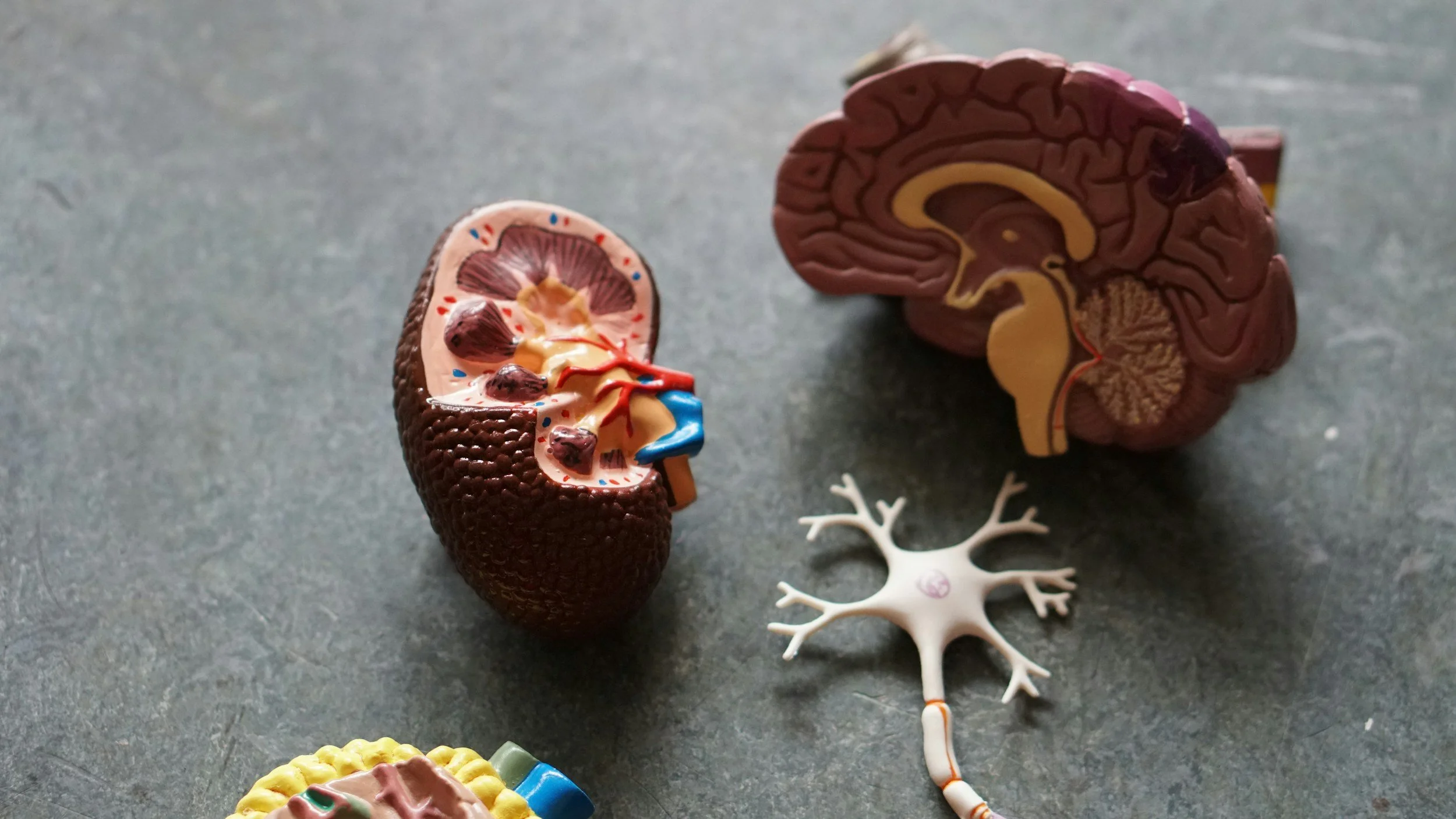
1. The Neuroanatomy: The Limbic System
The "seat" of emotional processing is widely considered to be the Limbic System, a group of structures located deep within the brain, just beneath the cerebrum.
The Amygdala (The Alarm System): This almond-shaped structure is critical for processing fear and threat detection. It operates on a "fast track," receiving sensory input directly from the thalamus to trigger an immediate reaction before the conscious mind processes the event.
The Hippocampus (Context & Memory): While primarily responsible for memory consolidation, the hippocampus provides the context for emotions. It links a specific sensory input (like a smell) to a past emotional experience.
The Hypothalamus (The Command Center): This small structure acts as the bridge between the nervous system and the endocrine (hormonal) system. It dictates the physical release of hormones like adrenaline and cortisol.
The Prefrontal Cortex (The Regulator): Located behind the forehead, this area governs higher-order thinking. It regulates the primitive impulses of the amygdala, allowing us to suppress emotional outbursts or reassess a situation rationally.
2. Neurochemistry: The Messengers
Communication between neurons drives emotional states. Specific neurotransmitters and hormones modulate how we feel:
Dopamine: Associated with the reward circuitry and motivation. It reinforces behaviors that lead to survival (eating, reproduction).
Serotonin: Regulates mood, sleep, and appetite. Low levels are biologically linked to depression and anxiety.
Norepinephrine (Noradrenaline): Responsible for arousal and alertness. It prepares the brain for action during stress.
Oxytocin: Often called the "bonding hormone," it facilitates trust and social attachment, dampening amygdala activity.

3. The Autonomic Nervous System (ANS)
The brain translates emotional processing into physical sensations via the ANS, which is divided into two branches:
Sympathetic Nervous System (Gas Pedal): Triggers the "Fight or Flight" response.
Physiology: Pupils dilate, heart rate increases, digestion halts, and glucose is released for energy.
Parasympathetic Nervous System (Brake): Triggers the "Rest and Digest" response.
Physiology: Lowers heart rate and promotes relaxation after the threat passes.

4. The Biological Process of an Emotional Response
An emotional response is not linear but rather a simultaneous integration of physiological arousal, cognitive appraisal, and subjective feeling. This means that rather than emotions unfolding in a simple sequence, the body’s physical reactions, our thoughts about the situation, and our personal feelings interact to shape how we experience emotion.
The way we respond emotionally depends on both external events and our physiological state at the moment.
The intensity of the stimulus generates amygdala activation, which is balanced by prefrontal inhibition.
Strong emotions occur when the amygdala—responsible for rapid, instinctive responses—is highly active and the prefrontal cortex—responsible for rational control—is less effective at inhibition.
"The 90-Second Rule"
Neuroanatomist Dr. Jill Bolte Taylor notes that when a thought triggers an emotion (like anger or fear), the chemical flush lasts only 90 seconds. If the feeling lasts longer, it’s because you are "re-triggering" it with your thoughts. If you can use one of the thought or emotional management tools for just a minute and a half, the physical urge to spiral will naturally dissipate.
How We Make Emotions

According to Dr. Barrett, emotions are more like reactive patterns than fixed physical or neurological conditions or specific states of being. They are like the meaning the conscious mind assigns to the reactions that occur as we naturally adapt to the events we experience. They are like automatic predictions made in the brain about what is happening or what will likely happen. When specific emotions are repeated or practiced frequently, they can develop into a pattern that becomes a condition programmed by automatic reactions over time. The way we interpret or make sense of them cognitively influences how intensely we feel the emotion and how often it occurs.
Internally, Multiple Factors Are In Play


Our Brain Predicts Our Response To A Situation
Over time, our brains become great predictors of future performance, a skill essential for survival. Emotions help us predict what is happening, what will happen, and how we think we should respond. These predictions are based on our memory of previous experiences, and their purpose is to help us make sense of our experiences and aid in our survival. The brain generates emotions as we cope with life experiences and try to predict or anticipate our needs, generating options in the process. This view suggests that we create our own emotions, and that we can change and create new or different ones.