Main Players in the Neurochemistry of Emotion
The Connection Between Activities and Body Chemistry

There is a strong relationship between the strategies or activities we use to improve our mood and the levels of “happy” versus “not-so-happy” chemicals in our bodies. Our emotional well-being is closely tied to the balance of these compounds, which can be influenced by our daily choices and habits.
Simple Ways to Generate Happy Chemistry

Engaging in simple activities can naturally enhance the production of feel-good compounds. For example, exercising, practicing meditation, socializing or spending time in nature are all effective ways to boost these chemicals. By incorporating these activities into our routines, we can positively impact both our mood and our behavior.
Learning About Mood-Influencing Compounds

It is important to learn about these mood-related compounds so that we can help our bodies produce more or less of them as needed. While the science behind these chemicals may seem complex, understanding even a little about them can be highly beneficial. These compounds can act as our best friends when managed well—or as our worst enemies if neglected—so developing some knowledge in this area is worthwhile.
Oxytocin:
Oxytocin, known as the love hormone, is stored and released from the pituitary gland. It is linked to feelings of depression when levels are low. Oxytocin binds to receptors in various locations associated with social recognition, pair bonding, and honesty. Oxytocin was initially thought to be primarily associated with pregnancy, labor, childbirth, and breastfeeding, but it is also associated with physical touch, sexuality, and bonding. When people perceive themselves as being closely bonded, oxytocin levels increase. The smell of the baby, physical contact, a picture of your partner, and feelings of trust, kinship, and support are all associated with higher oxytocin levels. Higher oxytocin levels can even synchronize physiological responses. It's known as hormonal glue, and it is powerful in facilitating relationships. Studies also show that increased oxytocin receptor activity is associated with greater social media participation, which may contribute to this attraction.
Increasing Oxytocin
Effective ways to increase oxytocin include engaging in pleasant physical exercise, giving a big hug, or socializing with close friends or family.
Other Ways to Increase Oxytocin include:
Doing something for someone else
Hugging a pet or playing with an animal.
Holding hands, cuddling, or looking into another person’s eyes.
Yoga
Love and Kindness Meditation or notes to friends or loved ones.
Massage or self-massage of the shoulders and temples
Eating out with friends
Chamomile Tea, Vitamin C, Sunshine, Warmth
Oxytocin is available as a nasal spray
Dopamine:
Dopamine is a Neuromodulator as well as a neurotransmitter – it influences the communication of many different neurons at once. Dopamine release in the brain can be local or broad. Neurons that release dopamine also release glutamate, improving pleasure, motivation, excitement, and reward. Dopamine is not just about pleasure: it’s the universal currency of foraging and seeking things that will provide sustenance and pleasure in the short term and extend life in the long term. Dopamine causes us to crave and pursue things outside of ourselves.
Dopamine is stimulated/released when we expect or hope something will happen or when we are highly motivated to pursue something.
Dopamine peaks should not occur too often; it is better to vary or level out how much dopamine you experience with an activity over time. Variety in intensity and uncertainty keeps you motivated and engaged.
If dopamine levels are too high, the brain reduces its receptiveness to dopamine, and the activities that typically release it become less effective. This starts the spiral of addiction.
It is better to notice and continue activities over time to balance dopamine release, paying attention to how much dopamine they provide, and adjust your effort accordingly.
To modulate dopamine, do things differently, like doing something alone that you usually would do in a group, or changing up routines to add novelty.
If you do something that releases huge levels of dopamine, pleasure may decrease afterward because you have relatively less dopamine after the initial surge, which is another reason to try to maintain stable dopamine levels.
Dopamine influences the perception of time. When we engage in an activity solely for the purpose of receiving a reward, time will feel longer because we release less dopamine during the effort than we do when we receive the reward. It is better to derive reward from the process and to associate dopamine release with challenge and effort rather than with goal achievement. Convince yourself that the effort part is the good part (e.g., intermittent fasting or studying for a test).
We all have a dopamine setpoint: if we overly participate in dopamine-stimulating activities, eventually, we won’t experience the same joy from those behaviors. Dopamine can improve your mood, attention, and heart rate, but like everything else, it is best to keep levels moderated.
Given its association with motivation, increasing your dopamine level can be as simple as setting a goal and completing it
Subjective experiences increase dopamine depending on enjoyment, but things like chocolate, physical touching and holding, nicotine, and stimulants universally increase dopamine. The key is not to expect or chase high dopamine levels through unhealthy activity levels.
Strategies To Boost Dopamine
Meditation can boost this motivation and pleasure-seeking molecule.
Physical Activity: Exercise will be different depending on how much you enjoy the exercise – if you enjoy it, exercise will double your dopamine output above baseline.
Close social connections that release oxytocin have also been found to trigger dopamine release.
A cold plunge (water temperature depends on the individual's cold adaptation) can boost dopamine levels by up to 250% above baseline, and this effect can be sustained for up to 3 hours post-exposure. Other behaviors that increase dopamine include:
Drink green tea
Deep breathing
Physical contact or Intimacy
Creative art like painting, writing, photography, or cooking
Music
Spending time in the sunshine
Good night’s sleep
Chocolate
Eat fruit to increase tyrosine
Doing something new and interesting
Nicotine
Note: Epinephrine and adrenaline are manufactured from dopamine
Serotonin:
Serotonin: Improves mood, sleep, and digestion. Serotonin is known as a "feel-good" chemical and can help stabilize your mood, making you feel calmer, more focused, and happier. Even though it works as a neurotransmitter, much of your body’s serotonin is stored in the lining of your intestines before being released into the bloodstream. Increasing the intake of foods such as salmon, eggs, cheese, or nuts can help improve serotonin levels. Exercise and healthy sun exposure are also known to increase serotonin levels and improve overall mood. The best ways to increase serotonin are listed at right.
Increasing Serotonin
One of the best ways to increase serotonin is to spend 5 minutes in nature. Other Strategies include:
15 to 20 minutes in the sunshine
Eat bananas for the amino acid tryptophan
20 to 30 minutes of exercise each day
Smell lemon or lavender essential oils
Recall pleasant, positive memories
Get a massage
Laugh by calling a funny friend or watching a comedy
Practice gratitude
Supplement with probiotics to increase tryptophan
Eat good carbohydrates like apples, sweet potatoes, and carrots. Listen to music
Dance to music
5 to 10 minutes of mindfulness every day.
GABA:

GABA is the primary inhibitory neurotransmitter of the CNS (central nervous system); it helps calm the nervous system and reduces anxiety. Benzodiazepines (Benzos), such as Klonopin, Xanax, and Ativan, as well as alcohol, increase the effect of GABA. This usually feels great, like a warm hug, and the world suddenly becomes a friendly, wonderful place, with a soothing sense of calm. Unfortunately, this effect is short-lived because our bodies downregulate the receptors GABA acts on, leaving us in a state where GABA is less effective (even when we have normal GABA levels). Brief or short-term use of these drugs can be helpful, but using them consistently over time (several months) will increase dependency, dysregulate our GABA system, and create a state of withdrawal that is much worse than the anxiety they help with initially. In response to Benzos and alcohol, the body downregulates GABA receptor activity, disrupting its effectiveness, which, as these drugs wear off, increases stress, feelings of fear and anxiety, disrupts sleep, and ultimately creates more of a need for the drugs. GABA makes us feel good, safe, and that everything is ok, but when GABA is downregulated, we feel the opposite, that the world is not ok, and we are in danger, which heightens our state of anxiety.
Natural strategies to increase GABA include:
Healthy Exercise, Nutrition and Sleep
Eating foods containing glutamic acids like soy proteins, nuts, citrus, green tea, or spinach.
Practice yoga
Breath Work
Adding GABA-inducing supplements like magnesium or B6 to your routine
Avoiding alcohol improves the effects of GABA
Meditating and practicing mindfulness
It is also important to remember to be mindful of stimulants like caffeine and nicotine and to be careful about highly stressful social media, news, or television exposures.
Adrenaline

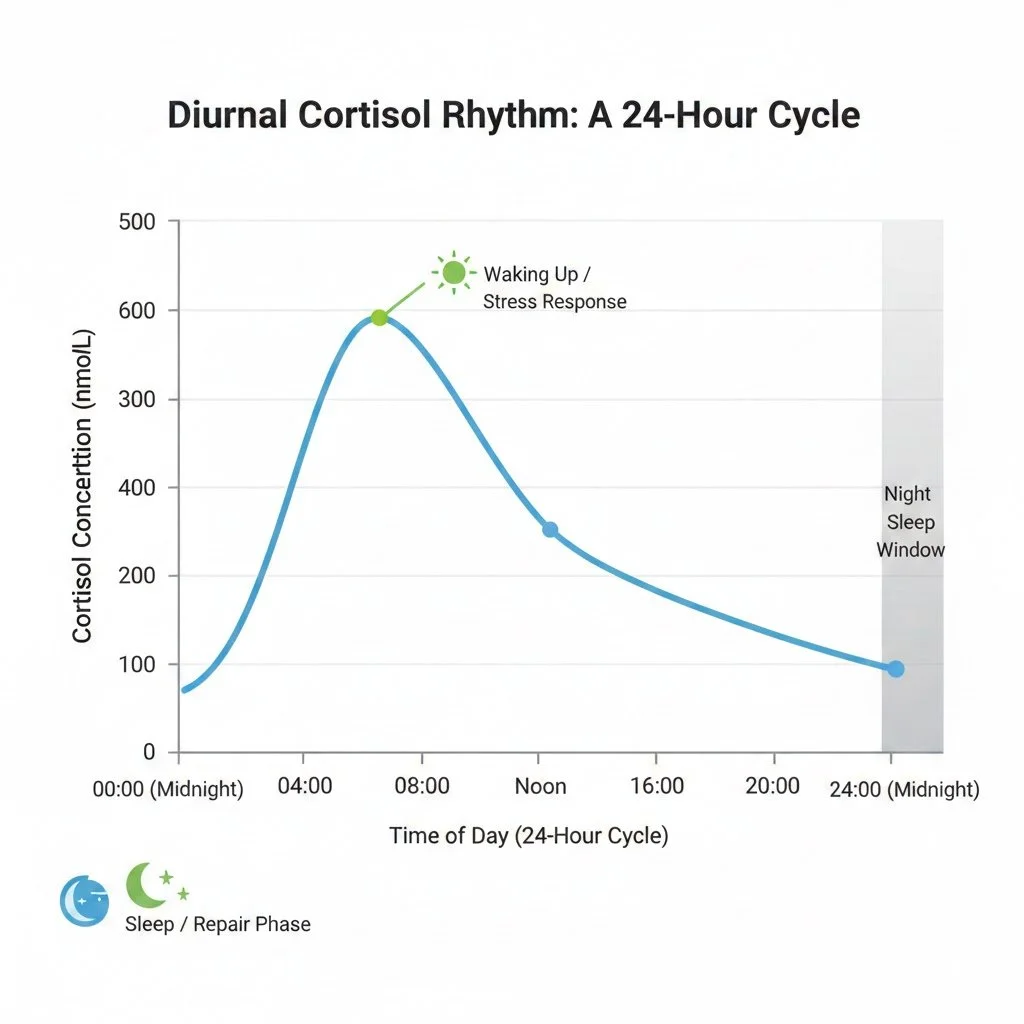
Adrenaline and cortisol naturally fluctuate during the day. Adrenaline is associated with excitement and activation, whereas cortisol is more closely linked to the perception of threat or danger. Cortisol increases blood sugar levels and suppresses the immune response, altering how the body metabolizes fat, carbohydrates, and proteins. Chronic elevation of cortisol levels can have adverse effects on the body, including weight gain, mood disorders, and compromised immune function. Its primary function is to help the body cope with stress; however, cortisol increases heart rate, blood pressure, and respiration. Prolonged exposure to high levels of cortisol can have numerous negative effects on health.
Adrenaline is both a hormone and a neurotransmitter. It is produced by the adrenal gland and secreted into the bloodstream in response to stress or danger. Adrenaline increases heart rate, blood pressure, and respiration. As a neurotransmitter, adrenaline, also known as epinephrine, transmits signals between nerve cells, activating brain activity.
Cortisol

Cortisol levels are highest in the morning and lowest at night. Higher cortisol levels in the morning help us wake up. Chronic stress and elevated cortisol levels disrupt the daily cortisol cycle. Higher levels of cortisol influence the body in many ways, including increasing the activation of brain regions involved in regulating emotions and mood to ensure safety. High cortisol levels make the brain's fight-or-flight areas more hypervigilant, which can lead to even higher cortisol levels. Higher levels of cortisol also disrupt sleep and play a critical role in regulating your sleep-wake cycle. Cortisol also promotes the synthesis of glucose from proteins, making more glucose available as fuel in response to stressful situations. Cortisol also increases abdominal fat and increases cravings for food, especially carbohydrates (sugars). This contributes to the vicious cycle of stress and overeating (especially unhealthy foods), which creates more stress and more overeating, etc. Reducing chronic activation of the adrenal glands and lowering cortisol output through stress reduction helps to break this vicious cycle.