


Core Principles of Managing Thoughts



Awareness
The way we think and perceive the world directly impacts both our mental and physical well-being. Thoughts can be constructive or destructive; they are not objective reality, just our individual interpretations of reality.
Notice How Thoughts Change Emotions
Notice how thinking about something funny, sad, or happy can instantly change your mood. Thoughts are powerful; they alter brain chemistry and affect how our bodies function from moment to moment.
How we think and perceive the world directly influences our mental and physical health. Thoughts are powerful, and they can be healthy or destructive.
Managing thoughts is a skill that can be refined over time. Don’t worry if it seems hard at first; we must practice to improve our skills, and everyone has flawed perceptions.
T.E.A.C.H Program

Awareness: The First Step in Managing Thoughts
Becoming aware of how our thoughts influence us helps us learn how to manage them. Awareness of thoughts, or metacognition, helps us understand how our thoughts affect us and helps us identify triggers that lead to repetitive, intrusive or otherwise unhealthy thoughts. Thoughts shape our perceptions and our emotions, but we get to choose how we respond to them.
It is important to remind yourself that thoughts are not reality; they are simply a view of reality. They are “mental events”, not absolute truths. You must decide which ones deserve your energy and which ones to let go.

Managing Thoughts Video
Managing Thoughts also helps us strengthen other skills, such as managing Emotions, Attention, Connections, and Health. These areas work together to help you achieve an authentic and well-balanced life. The TEACH program connects you with practical knowledge in all of these areas.

CORE PRINCIPLES TO HELP YOU MANAGE THOUGHTS
Challenge Unhealthy Thoughts

Challenge Unhealthy Thoughts

Every day, we have automatic thoughts that may or may not be helpful. Taking a moment to reflect or challenge our thoughts can prevent emotional distress or irrational decision-making. Many thought patterns are simply repetitive patterns of brain activity that originate in childhood and are automatically carried into adulthood. When we fail to re-examine our thoughts as we grow, we treat our thoughts like an uncultivated garden. When we challenge our unhelpful notions and ideas, we become conscientious, deliberate gardeners, and our thoughts bloom healthily. Thoughts are just thoughts; careful examination helps us determine which ones deserve our attention, align with our values and intentions, and are up to date with our knowledge and experience. This process can be thought of as updating the reward value of our thoughts and behaviors; it is a necessary part of growth and restoration. Some might call this developing a new perspective.
Our Thoughts Need Regular Biopsy and Pruning

Thoughts, like other behaviors, are influenced by the way we attend to them—if we react emotionally or give certain types of thoughts too much attention, they tend to stick around or get stronger. It’s essential to listen to our thoughts, but giving thoughts the right kind and amount of attention is vital. Give more attention to positive or helpful thoughts and less attention to thoughts that create stress or negative emotions.
Reacting Is Not The Same As Responding
We Often Get it Wrong Before We Get It Right

When we encounter a new situation, cognitive flexibility allows us to consider many options. This is the difference between reacting impulsively and responding skillfully. Like any other skill, this requires practice.
We are flexible beings, and we do not need to think alike. Diversity and freedom of expression are beneficial. We need to examine our thoughts and be flexible enough to ask questions, determine if there's a better way to manage our situations in life, and develop healthier mindsets.
Tuning into this flexibility helps us manage our relationship with our thoughts and change our lives.
Thoughts are Influenced By The Way We Attend To Them

Given that we're constantly changing, it's important to remember that our brains won't always function perfectly—we can get stuck, misunderstand, misperceive, and think of things that turn out to be wrong or false. If we don't question our thoughts, we'll likely be misled by clever advertisements, false statements, or illusions we want to believe.
“We cannot solve our problems with the same kind of thinking that we used when we created them.” Albert Einstein

All Perception Is Misperception
Perceptions Are Not Reality, They Are Representations Of Reality

What you say to yourself and what others say to you may or may not be accurate. You are more likely to find the truth if you remember that your thoughts, memories, and perceptions are just predictions and representations of reality. They are not reality, and they are never completely accurate. The present moment is the only reality; everything else is just a mental representation of reality. This is the opposite of believing with certainty that what you think is always correct.
Knowing That We May Not Know Creates Space Where We Can Learn What We Don’t Know

Knowing we cannot be sure what we think is entirely accurate or always beneficial holds us together in our collective humanity. Awareness of this imperfection can be helpful; we can rest in the comfort of knowing we are not alone with our distressing and often misguided thoughts. Accepting that everyone struggles with thoughts and emotions can level the playing field and keep us from feeling isolated, different, or wrong.
Multiple Things Can Be True, Even Though They Do Not Seem To Go Together

Multiple things can be true at the same time, and they may not always seem to fit together. Awareness that you only see through your eyes helps clear up confusion and allows you to see what is really there more clearly. Five people looking at the same thing will have five different stories, so how do we figure out what actually happened? The answer lies in questioning, the art of not knowing, and knowing that you do not know. This creates a healthy space around thoughts in which helpful feelings, perspectives, and insights can arise.
Our Thoughts Affect us But They Also Impact Others

Once we accept that we may not be thinking or perceiving correctly, we are still faced with trying to understand how our thoughts and perceptions might complicate our lives and those of our loved ones. To manage thoughts is to notice, question, and examine them before reacting automatically. This is the art of responding vs. reacting.
“There is a space between stimulus and response, and in that space, we have the right to choose, and that choice determines our destiny.” Attributed to Viktor Frankl, an Austrian psychiatrist and philosopher.

Thoughts Change Your Brain
Neuroplasticity
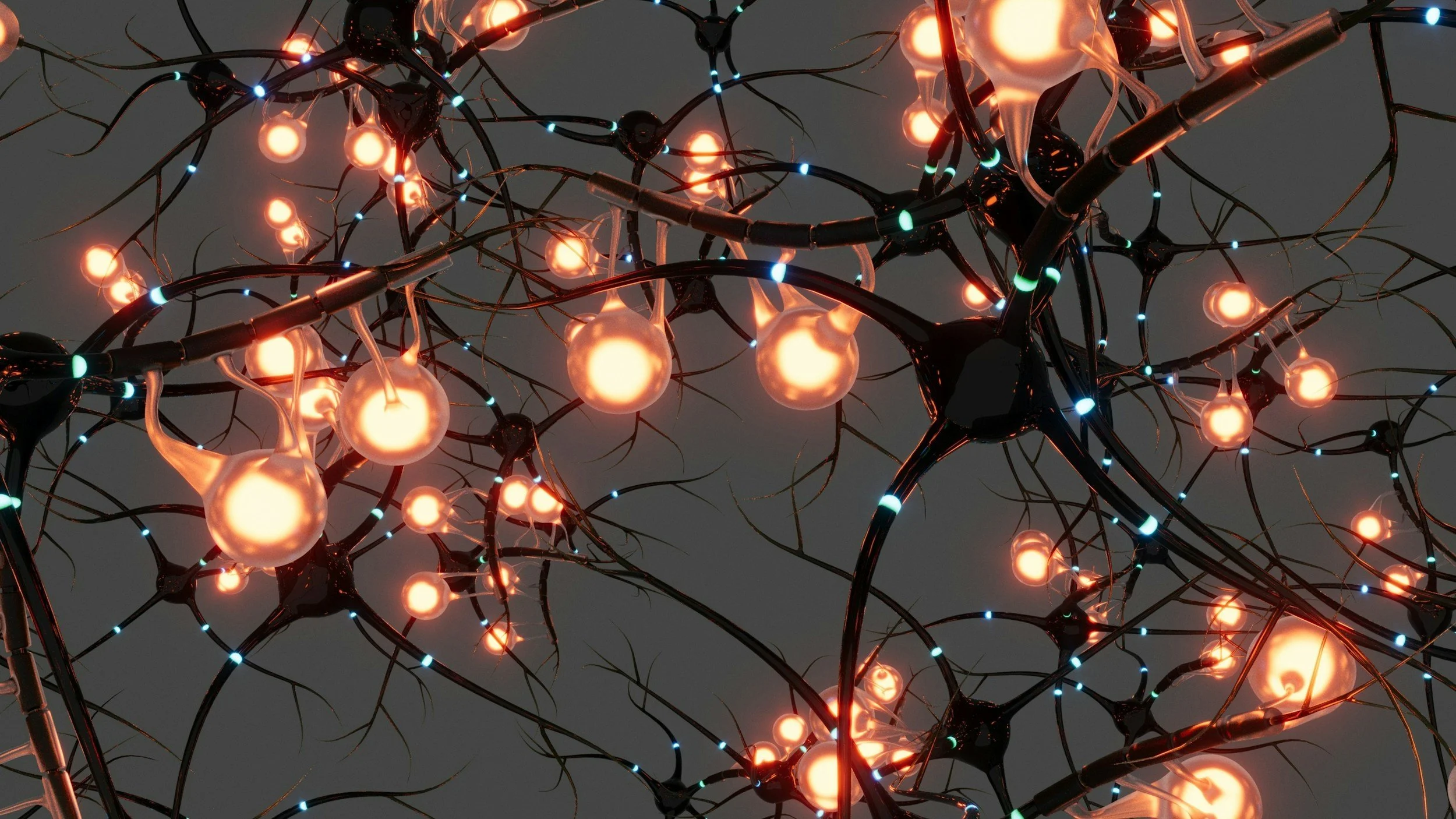
We all have an amazing superpower known as neuroplasticity. Just like muscles in the body change when we do physical exercise, our brains change in response to our thoughts and actions. The more specific thought patterns are used, the stronger the connections between the neurons associated with that thought become. We can use our minds to literally change our brains.
Life experiences change the brain's structure and function, as well as the way the brain and body interact. Our daily experiences change the physical architecture and patterns of communication between relevant regions of the brain that regulate thoughts, emotions, and behavior. You change your brain's size, shape, or function through the way you think about your life. This is unavoidable. Neuroplasticity refers to the brain's ability to modify, change, and adapt both in structure and function throughout life and in response to experience. It’s our brain’s constant state of change. We all have this fantastic superpower!
Thoughts Change How Your Brain Works
Why Neuroplasticity Brings Hope

It is possible that the process of neuroplasticity can explain how certain mental health disorders, such as anxiety and depression, develop over time. These conditions are not usually a result of a disease process but instead changes in the brain due to the interplay between genes and the environment. By using the knowledge of neuroplasticity, we can make changes to correct conditions or areas of the brain that are out of balance.
Neurons (brain cells) That Fire Together Wire Together
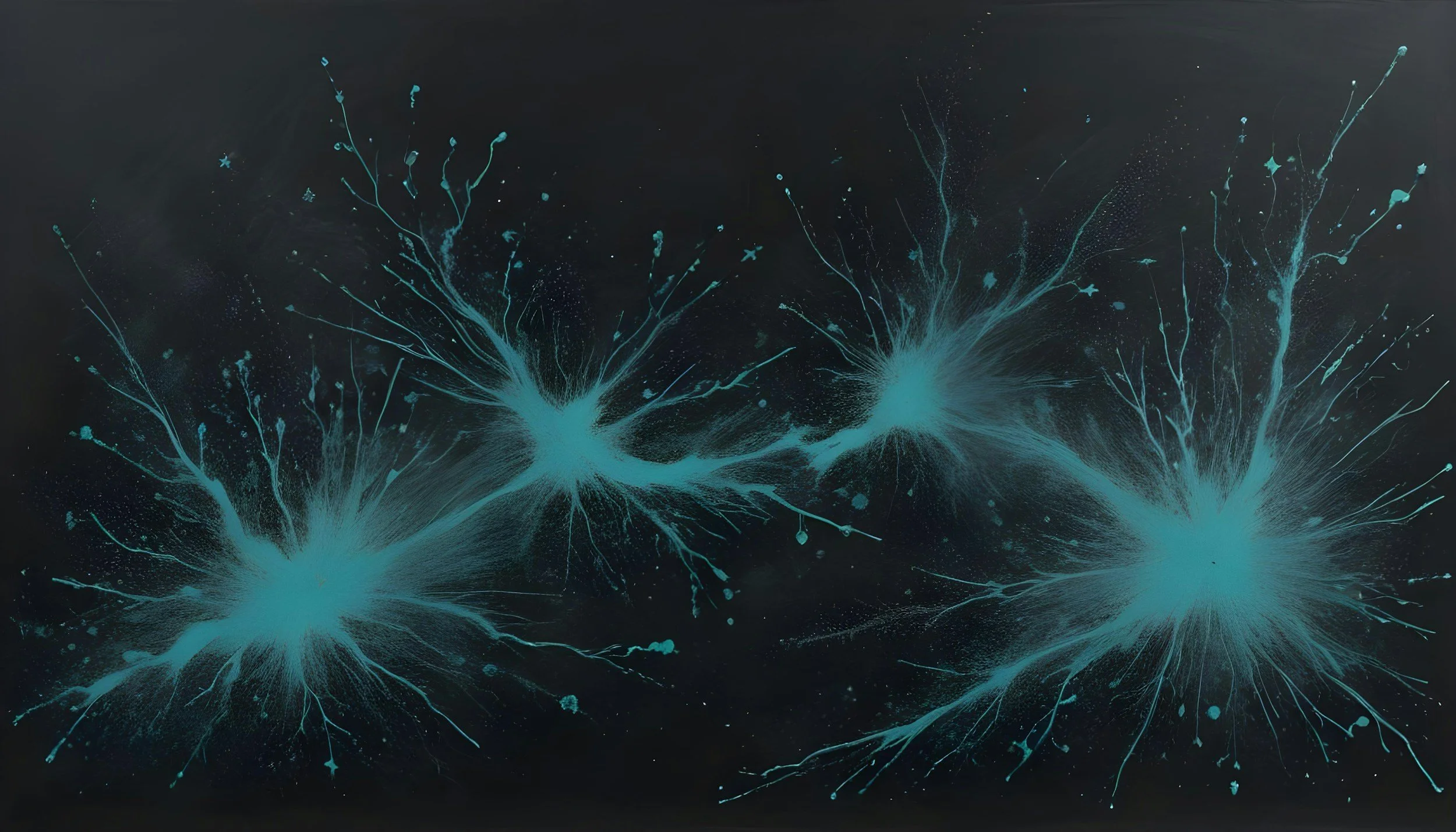
If interconnected neurons become very active very close in time during a particular event, their connection will strengthen, and a memory of this event is formed; in other words, neurons wire together if they fire together, and when they fire together, they often become stronger and create more connections. In turn, they’re triggered more easily.
Unhelpful Thoughts Can Be Replaced with Healthy Thoughts

The good news is that negative thinking patterns can be unlearned and replaced with healthier thoughts (modifying circuits or networks). To do this, we must consciously and deliberately activate circuits that positively impact the brain (healthy perspectives). Just like a toddler learning to walk by getting up and trying repeatedly, we can develop and strengthen positive circuits by practicing new emotional habits, thought patterns, and physical or social skills.
Using Your Mind To Change Your Brain

Conversely, when we have unhealthy thoughts or if we don’t manage thoughts well, we unknowingly change our brain's architecture in unhealthy ways.
Every time you repeat a specific thought or emotional response, you strengthen the neural pathways associated with that mental habit, making it easier for the brain to travel that same path in the future. If you have persistent negative thoughts, you actually strengthen and enlarge brain structures involved in negative thinking. Intentional practices such as mindfulness and cognitive reframing have been shown to increase gray matter density in the prefrontal cortex, which governs logic and emotion regulation. Essentially, your thoughts act as the "architect" of your brain's physical structure, proving that the way you think today literally builds the brain you have tomorrow.
How The Brain Changes:
Synaptic Pruning: The brain "cleans out" pathways that aren't being used, meaning if you stop feeding a negative thought loop, it eventually weakens.
Neuroplasticity: This is the process of "neurons that fire together, wire together," where frequent thoughts create a physical "high-speed rail" for those ideas.
Chemical Changes: Chronic stressful thoughts bathe the brain in cortisol, which can inhibit the growth of new neurons in the hippocampus, the area responsible for memory and learning.
What You Practice Grows Stronger

Thoughts Change Emotions And Physical Health
Thoughts and physical health interact. The person who thinks the world is unfriendly will see more danger than the person who sees the world as friendly. What we think about and how we perceive the world directly influences our mental and physical health. Wars have started, people have been enslaved or killed, and our planet has been put at risk because of how people think. Individual thoughts determine how we live our lives, how we feel, and how we care for ourselves. Thoughts are powerful. When we step back and look closely at our thoughts, we can determine how they might be helping or hurting us individually and what we can do to manage them more effectively. When we notice and observe our thoughts and focus more on healthy thoughts, we can manage our lives more effectively, improve our health, and coexist more peacefully with others.
Thoughts Have A Positive or A Negative Valence
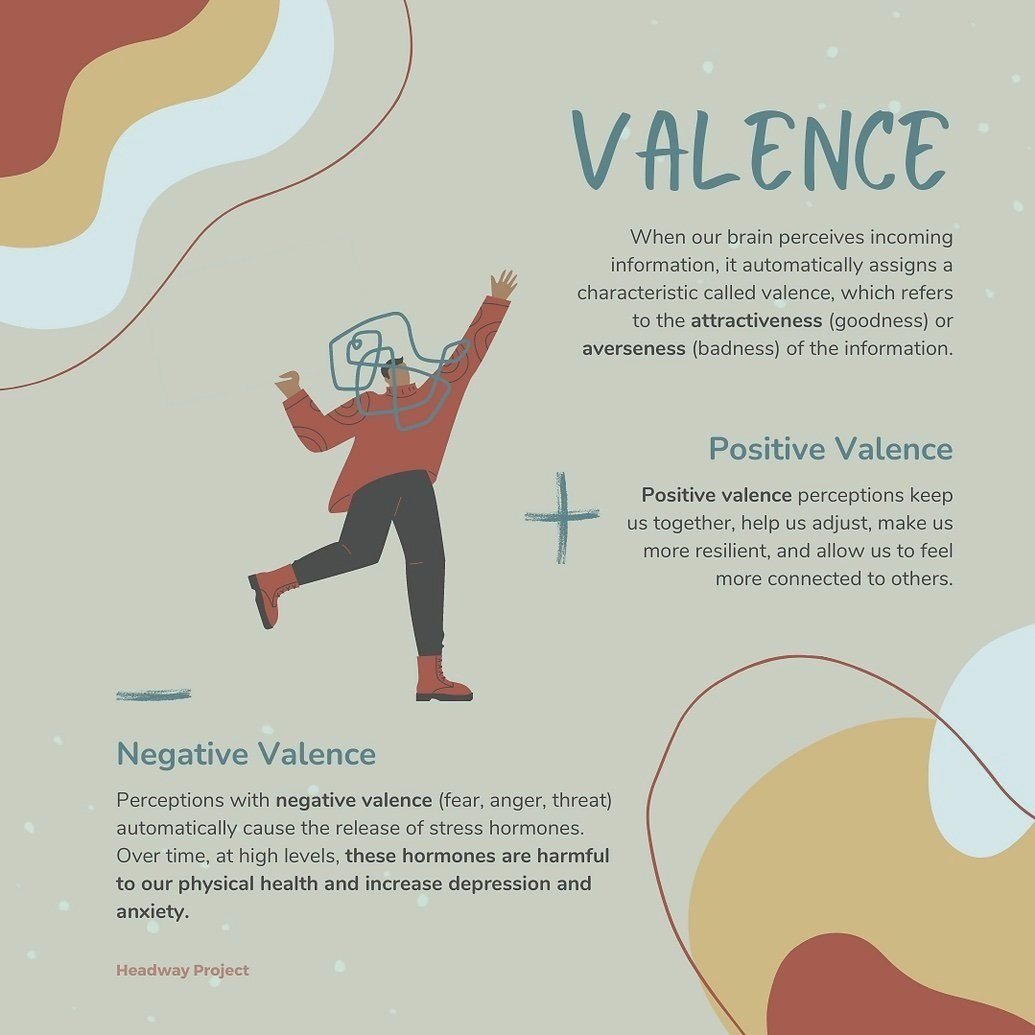
Valence is important to understand because it occurs automatically. It is based on experience with that or similar information. Awareness of valence helps us notice these biological reactions and respond skillfully rather than allowing yourself to react automatically.
“ The moment you change your perception is the moment you rewrite the chemistry of your body.”
-Dr. Bruce Lipton
The Mind-Emotion Connection

When you have a thought, your brain interprets it as "truth," regardless of whether it’s based on reality or just a false perception or a worry about the future.
Appraisal: Refers to how you label an event. If you see a challenge as a "threat," you feel anxiety. If you see it as an "opportunity," you feel excitement.
The Filter: Once a thought triggers an emotion, your brain starts looking for more evidence to support that emotion (confirmation bias). This is why a "bad mood" can feel like a magnet for more negative thoughts.
The "Bottom-Up" Strategy
Valence refers to the subjective positive or negative value that an individual assigns to an object or situation. It is important because it measures a person's emotional response to a stimulus, which in turn influences their attitudes, behaviors, and decision-making. This automatic reaction to incoming information triggers the release of positive or negative endorphins, hormones, or neurotransmitters—powerful chemicals that can help us cope with stress.

While thoughts influence the body, the body can also influence thoughts. This is why deep breathing works: by manually slowing your heart rate, you send a signal to the brain that says, "We are safe," which eventually quiets anxious thoughts.
The takeaway: Your body is the sounding board for your mind. You can't always control the first thought that pops into your head, but you can choose which ones to "turn up the volume" on.
“Thoughts become perceptions; perceptions become reality, alter your thoughts, alter your reality.”
William James

Material Taken From
David Burns M.D., How to Feel Good, The New Mood Therapy
The Extended Mind , Anne Murry Paul
Who Moved My Cheese, An Amazing Way to Deal With Change In Your Work and In Your Life. Spencer Johnson M.D.