

Panic Reactions
Panic Attacks

Panic attacks are sudden, intense episodes of fear or discomfort, often peaking within 5 to 20 minutes. Common symptoms include a racing heart, chest pain, dizziness, shortness of breath, and feelings of detachment. Triggers vary, ranging from high stress and trauma to caffeine or, in many cases, no clear cause. While not dangerous, frequent attacks can cause long-term anxiety and fear of future attacks, often leading to restricted, avoidant lifestyles
Survival Response
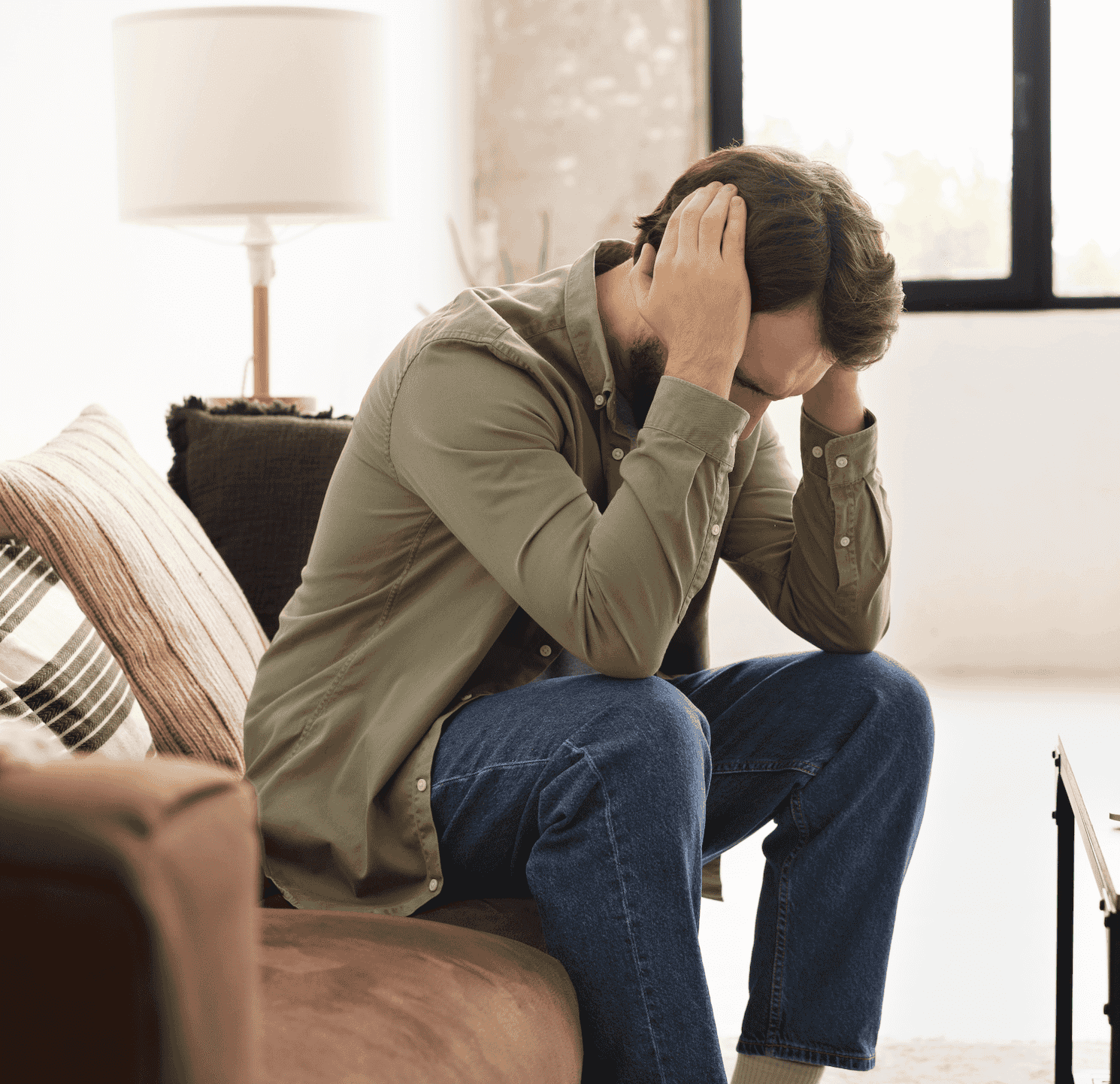
Panic attacks trigger a heightened survival response within the nervous system. Individuals experiencing these episodes often believe they are losing control or facing a severe crisis, such as a “nervous breakdown.” These perceptions stem from personal narratives to explain the experience. Coping behaviors may become unusual or extreme, and some individuals seek emergency medical care to address what they fear is a life-threatening situation. Others may respond by shutting down or dissociating, resulting in immobilization, as described by Polyvagal Theory.
Experiencing A Panic

The distress caused by anxiety can be overwhelming, with individuals reporting sensations akin to having a heart attack or dying. The subjective experience is often indistinguishable from genuine medical emergencies, reinforcing the fear and urgency to relieve these feelings. In such moments, individuals may act desperately, employing any available means to cope. Severe anxiety episodes can significantly disrupt daily functioning and have a profound impact on overall well-being.
The Cycle of Anxiety

When anxiety escalates to panic, it amplifies the biological response within the body. Repeated or intense episodes contribute to a cycle of anticipation and fear, as individuals begin to dread subsequent occurrences. This pattern perpetuates itself, with dysfunctional thoughts intensifying panic responses and increasing behavioral impairment. The brain’s emergency defense mechanisms are activated in the absence of real threats, reinforcing the cycle each time panic is triggered.
Common Physical Sensations

During a panic attack, a person experiences a combination of physical and cognitive symptoms.
Common symptoms of a panic attack include:
Palpitations, pounding heart, or accelerated heart rate
Sweating
Trembling or shaking
Sensations of shortness of breath or smothering
Feelings of choking
Chest pain or discomfort
Nausea or abdominal distress
Feeling dizzy, unsteady, lightheaded, or faint
Chills or heat sensations
Paresthesias (numbness or tingling sensations)
Derealization (feelings of unreality) or depersonalization (being detached from oneself)
Fear of losing control or "going crazy"
Fear of dying
It's important to note that panic attacks can occur in the context of various anxiety disorders, other mental health conditions, medical conditions, or even as a response to certain substances. Having one or more panic attacks doesn't automatically mean someone has Panic Disorder.
Panic Disorder
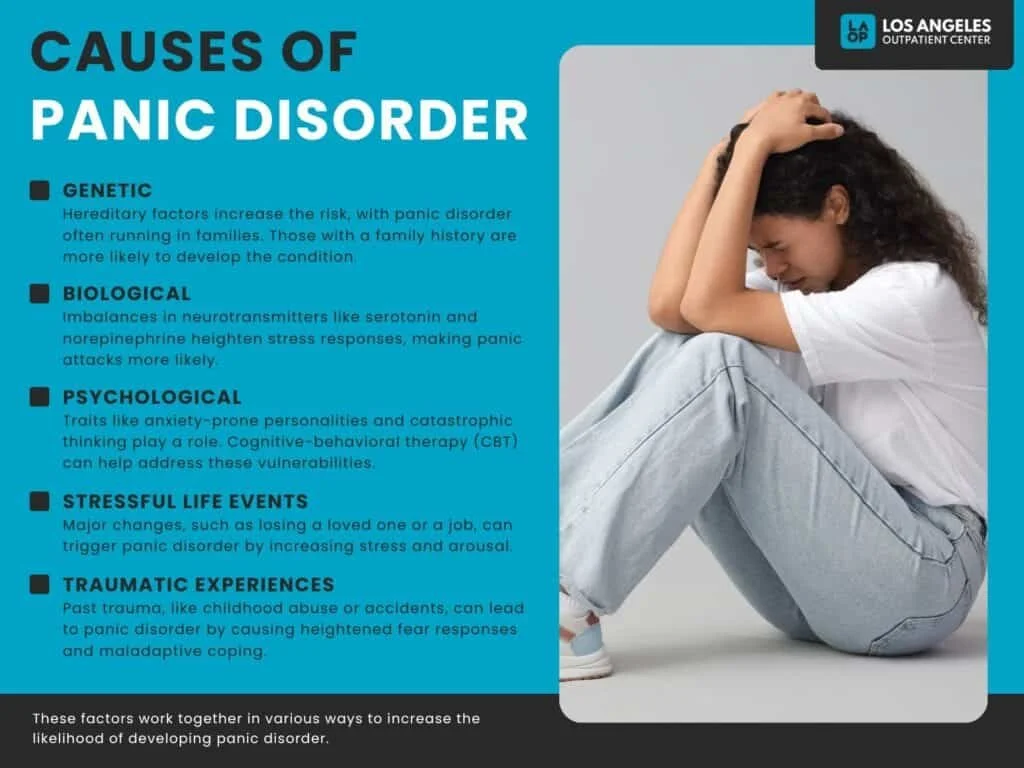
Panic Disorder is a type of anxiety disorder characterized by recurrent, unexpected panic attacks. For a diagnosis of Panic Disorder, the panic attacks are not only recurrent but also followed by at least one month of one or both of the following:
Persistent concern or worry about additional panic attacks or their consequences (e.g., losing control, having a heart attack, "going crazy").
A significant maladaptive change in behavior related to the attacks (e.g., behaviors designed to avoid having panic attacks, such as avoidance of exercise or unfamiliar situations).
Essentially, while a panic attack is an acute episode of intense fear, Panic Disorder is a chronic condition defined by these recurrent attacks and the significant distress, worry, or behavioral changes that result from them. The key difference lies in the pattern of attacks and the subsequent impact on a person's life and mental state.
Therapeutic Approaches
Therapeutic interventions for anxiety primarily emphasize nonmedical strategies. While medical approaches, including preventative and rescue medications, may be necessary for some cases, mental health professionals are encouraged to refer clients to physicians or psychiatrists when symptoms cause acute distress or interfere with daily life. Though nonmedical methods can be beneficial, they may not suffice for severe anxiety, underscoring the importance of multidisciplinary collaboration and timely referral to medical providers.