

Tools for Managing Anxiety
There are various natural ways to calm down and reduce stress and anxiety. These methods involve deactivating the sympathetic or aroused part of the system and activating the parasympathetic or calming part of the central nervous system. Although we have less control over the red zone, strategies still exist to mitigate it. These strategies are powerful and can be developed into healthy coping and stress management skills that can be utilized during times of excessive anxiety. However, dealing with anxiety and especially trauma can be challenging and usually requires personalized treatment interventions from a therapist, and these conditions often require medical as well as behavioral treatment. If the non-medical interventions are not helping, it is important to see a psychiatrist or a physician to discuss medical therapy options.
Non-medical strategies for re-regulating the nervous system are briefly listed below.
Top Down Approaches:
Some people benefit more from the “top-down” approaches, which focus more on cognitive skills to help calm the system and increase safety by changing your thoughts (see our thoughts section). Examples of "top-down" strategies include:
Cognitive re-appraisal of unhealthy belief systems
Manage irrational thoughts or cognitive distortions
Expressive writing or journaling to express emotions safely
Understanding anxiety and developing more awareness of triggers
Learning about how the nervous system works
Stress reduction strategies and increased positive internal dialogue or Attitudes about Gratitude, Forgiveness, and Acceptance, (MBSR/Mindfulness-Based Stress Reduction)
Developing a more growth-oriented mindset
Building self-compassion
Developing Attitudes of Mindfulness and learning to be more present in the moment
Improving Communication and Problem-Solving Skills
Top Down Video
Bottom Up Approaches:
Other approaches focus more on “bottom-up” strategies for training the body to slow down, relax, and feel safe, along with strategies to generate more natural positive chemistry to counteract the effects of high stress. Strategies like breathing, meditation, yoga, discovering hobbies or activities that create “flow,” or increasing feel-good chemistry fall into the second category.
Some examples of "bottom-up" strategies include:
Breathwork (a powerful way to reset or hack your nervous system)
Meditation
RAIN (Recognize, Accept, Investigate, Note)
Prayer
Allowing yourself to experience Grief and Loss
Yoga or Mindful Movement Skills
Exercise (Increasing Heart Rate Variability) helps cope with panic
Diet/Nutrition/Sleep
Sunlight Exposure/ Opening eyes wider to let more light in in the morning and open up curiosity (Judson Brewer: Unwinding Anxiety)
To manage anxiety, focus on the variables that can be controlled.
Bottom Up Strategies for Managing Anxiety


Tools to Help Manage Anxiety
These strategies can help you remember and integrate calming practices into your daily routine. If you practice them when you are calm, they will be there when life becomes more difficult.
The acronym STOP is helpful when you struggle with stress or want to check in and deepen awareness in the middle of a task. It can apply to any task you don’t want to do, one you enjoy, or a moment of neutrality in the day.
S = Stop what you're doing
T = Take a few breaths
O = Observe what's happening internally and externally
P = Proceed with intention (choosing what would be best to do next)
These daily practices involve noticing and accepting while monitoring and strengthening control over your system. These are ways to bring yourself into the present moment by asking: What is my current experience? What is happening in my heart, body, and mind? Breathe. Expand the field of your awareness around and beyond your breathing to include a sense of the body as a whole, your posture, and facial expression, and then further outward to what is happening around you. These strategies help you calm your system and lower the chance of a panic attack due to a false signal of danger or threat.
Note the "stopping—choosing—starting—doing—finishing" task sequence.
Dr. Tara Brach suggests the acronym RAIN to help people work through difficult emotions without becoming overwhelmed.
R = Recognize and label the feeling
A = Accept the feeling without criticizing yourself
I = Investigate your experience by noticing the sensations that accompany the feeling and your reactions to the feeling
N = Non-identify: We are more significant than our thoughts and feelings; they are part of us, not us.
Other people use the acronym SLOW to remind themselves to SLOW down or to STOP and reaccess. These strategies are about pausing or slowing down to help reestablish control over your nervous system.
S = Slow down and take several full breaths
L = Listen to your body
O = Open yourself up to all possibilities
W = Work to be as calm as possible
Lower Your Stress Level
It’s important to be aware of where you are on the stress continuum. In a perfect world, you might be calm and relaxed, but then something stressful happens. Below is a list of everyday and major life stressors that can cause you to become overly stressed or more toward the panic side of the stress/arousal continuum.
Common Life Stressors: Major Life Stressors:
-A friend says something hurtful to you -Divorce
-You don’t get called back for a job interview -Losing your job
-You fail a test -A loved one becomes ill or dies
-The refrigerator goes out -A Persistent worrying pain or illness
-You have a flat tire/your car won’t start. -Death of a colleague or loved one
-The kids are getting on your nerves -Experiencing trauma
Depending on their nature and intensity, we experience increased physiological arousal or stress when such events occur. Under normal circumstances, stress is transient or slightly problematic; however, when significant stressors occur or when many stressful events build up over a period of time, you may experience chronic stress. This can cause increased heart rate, tearing up, fluctuating body temperature, sweating or rashes, changes in breathing patterns, headaches, body aches, and more.
Stress reduction strategies, such as breathing, meditation, positive self-talk, body scans, relaxation, slowing down, time in nature, and mindfulness, can help manage your stress. The Palouse Mindfulness-Based Stress Reduction ( MBSR) course is a free online course designed to help you learn many strategies to manage stress (see Palouse Mindfulness below).
Learn to listen to your body and notice when you experience an elevated stress level. Let this serve as a prompt to practice stress-reduction strategies and develop skills to help you manage your stress levels effectively.
Reduce “Time Travel”
Be Present In The Moment
We can go back in time to recall past events or travel in our minds into the future to imagine what might happen. This is a wonderful ability, but it comes at a cost, and managing this ability and understanding its implications can be a real challenge. When engaged in “time travel,” a specific brain network is activated; it is called the Default Mode Network (DMN). When this network is activated, we tend to feel less happy.
Excessive activation of this network can contribute to negative internal language, particularly if you remember and focus on past negative events. A good way to balance this is to shift your attention to the present and focus on a specific task. This activates a different brain network known as the Task Positive Network (TPN), which is active during attention-demanding tasks.
The task you are doing isn't as important as keeping your mind fully engaged in whatever you are doing. You might try cleaning a room, doing laundry, washing your pet, reading, watching TV, or playing a video game. Mental exercises, such as noticing things in the room or designing your dream house, are other examples of shifting your attention to a task-positive network. This simple strategy, which can be practiced over time, has been shown to improve mood by 20 to 30 percent.
Practice: Notice when you are thinking about the past or the future, and try to shift your focus to the present moment or a positive task. Stay fully present in the moment as much as possible. Mindfulness is non-judgmental present-moment awareness.
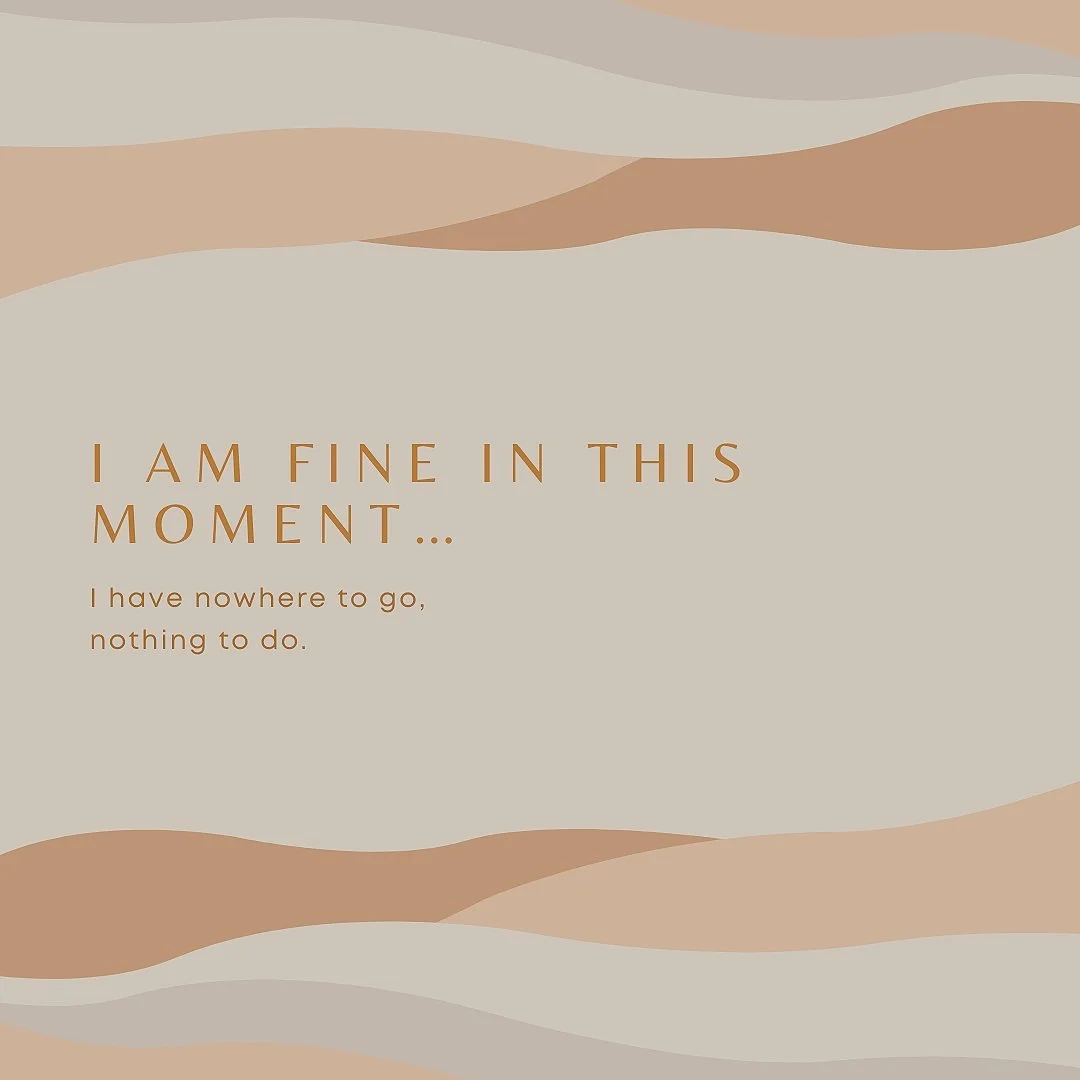
Bring Your Mind Back
To Where You Are
Small strategies to help you Be More Present In the Moment:
Being present in the moment improves mood by about 25% when compared to focusing on the past or the future
Notice when you are time-traveling (thinking about the past or the future) and bring yourself back to the present moment.
Be satisfied with how things are in the moment, even when things are not great.
Say “Everything is going to work out,” “It is what it is,” or “Life does not always go my way,” and practice acceptance of the present moment even when it is difficult.
Notice when you are being judgmental or closed-minded about the present moment.
Notice positive things about the present moment
Reduce information intake to avoid overstimulation
Use Mindful Breathing to anchor yourself in the present
Use single-tasking to reduce distractions and stay focused on whatever you are doing
Take a nature walk and focus on savoring the beauty (not thinking about your worries)
Practice Mindful Eating to help you slow down and enjoy yourself
Try a body scan or open awareness meditation to ground you in the present

"Your body can heal itself. It can do so because it has a healing system. If you are in good health, you will want to know about this system, because it is what keeps you in good health and because you can enhance that condition. If you or people you love are sick, you will want to know about this system, because it is the best hope for recovery." - Dr. Andrew Weil
Self-Care and the Teach Program
The secret to better health is much more than “eat better and exercise.”
Health is about getting restorative sleep, eating well, and exercising, but it is also about having a positive attitude, healthy thoughts, and being emotionally resilient in stressful situations. It is about getting “unstuck” when the going gets rough and letting go when we overfocus on negative things. It is about having enough energy for the day, but it is also about enjoying the day through connections and relationships and living a fulfilling life of health, meaning, and purpose.
This means that any program for self-care must go beyond basic habits that are foundational for wellness and address the whole person within the context in which they live. This is the approach of the TEACH Program, which at the macro level addresses Thoughts, Emotions, Attention, Connections, and Health, and at the micro level, it addresses Tiny, Easy, Attractive, Consistent, Habits. So, this section takes a deep dive into the tiny habits of self-care with an eye on incorporating daily health habits into a total system of caring for yourself. We have organized the information according to the following topics:
1. Exercise: Regular Exercise not only enhances physical health by reducing the risk of chronic diseases, but also boosts mental well-being and improves overall quality of life.
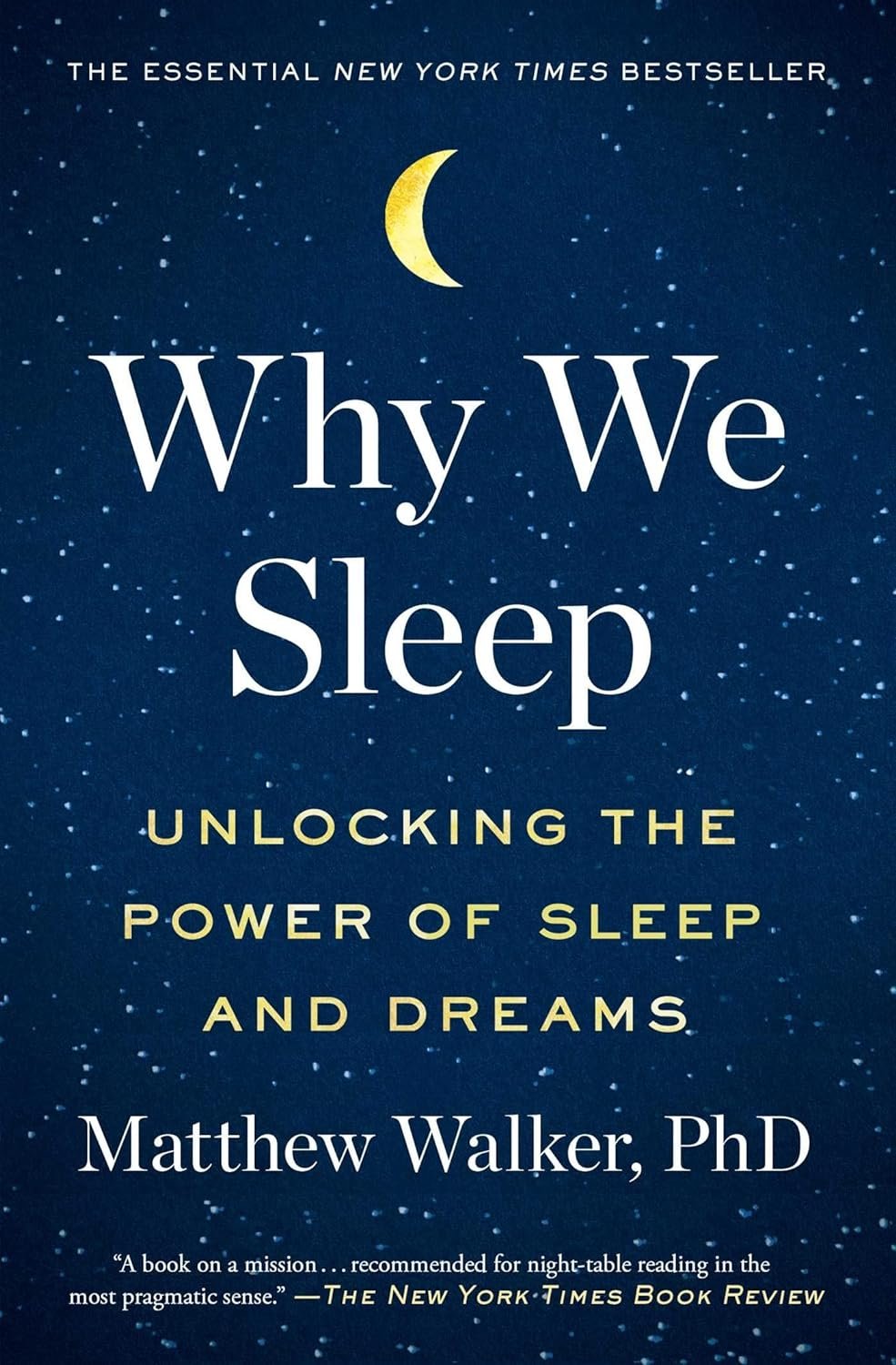
2. Sleep: Quality sleep rejuvenates the mind and body, fostering improved cognitive function, emotional stability, and overall health.
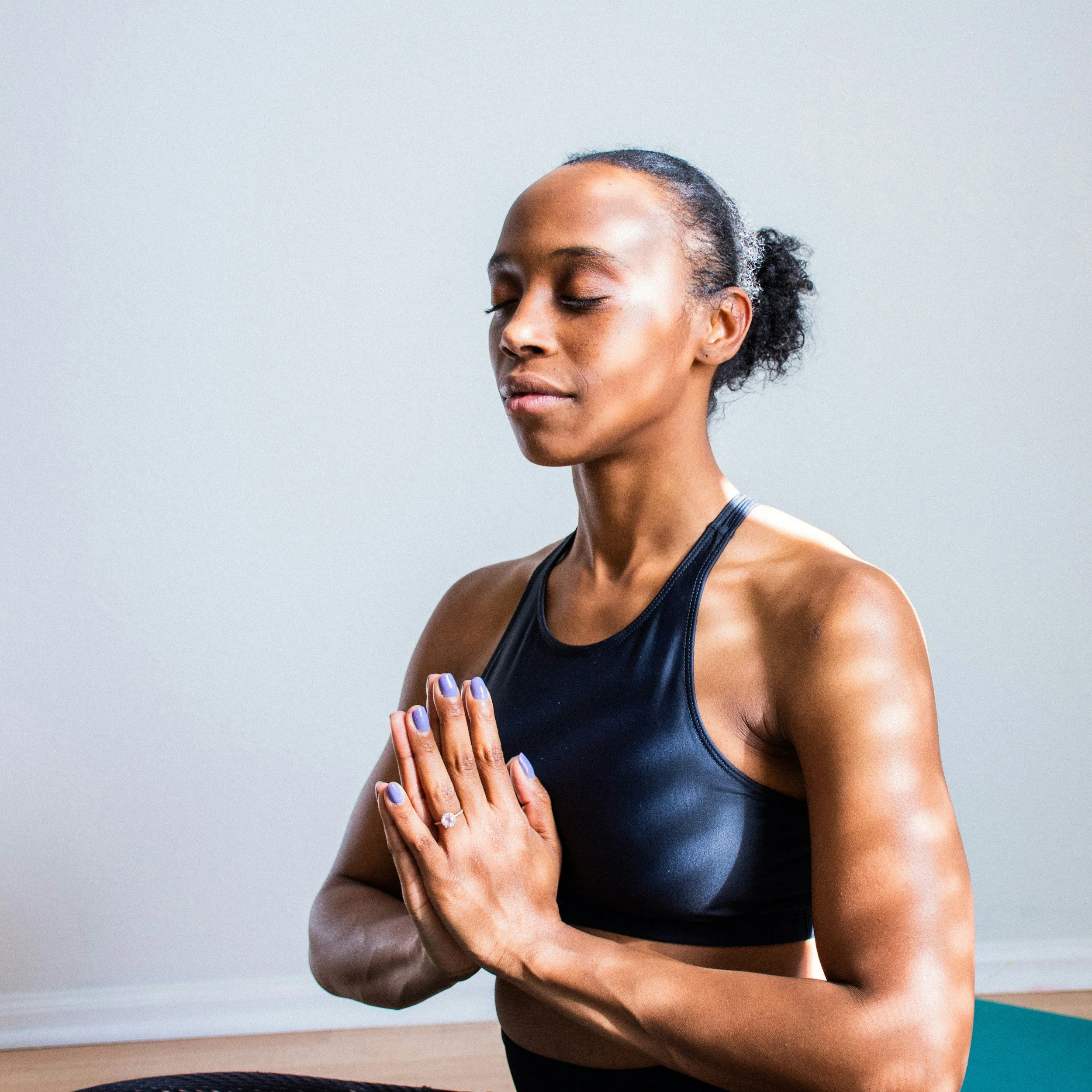
3. Breath Awareness: In the rhythm of the breath lies the power to transform. With every mindful inhalation, we embrace life, and with every exhalation, we release that which no longer serves us.
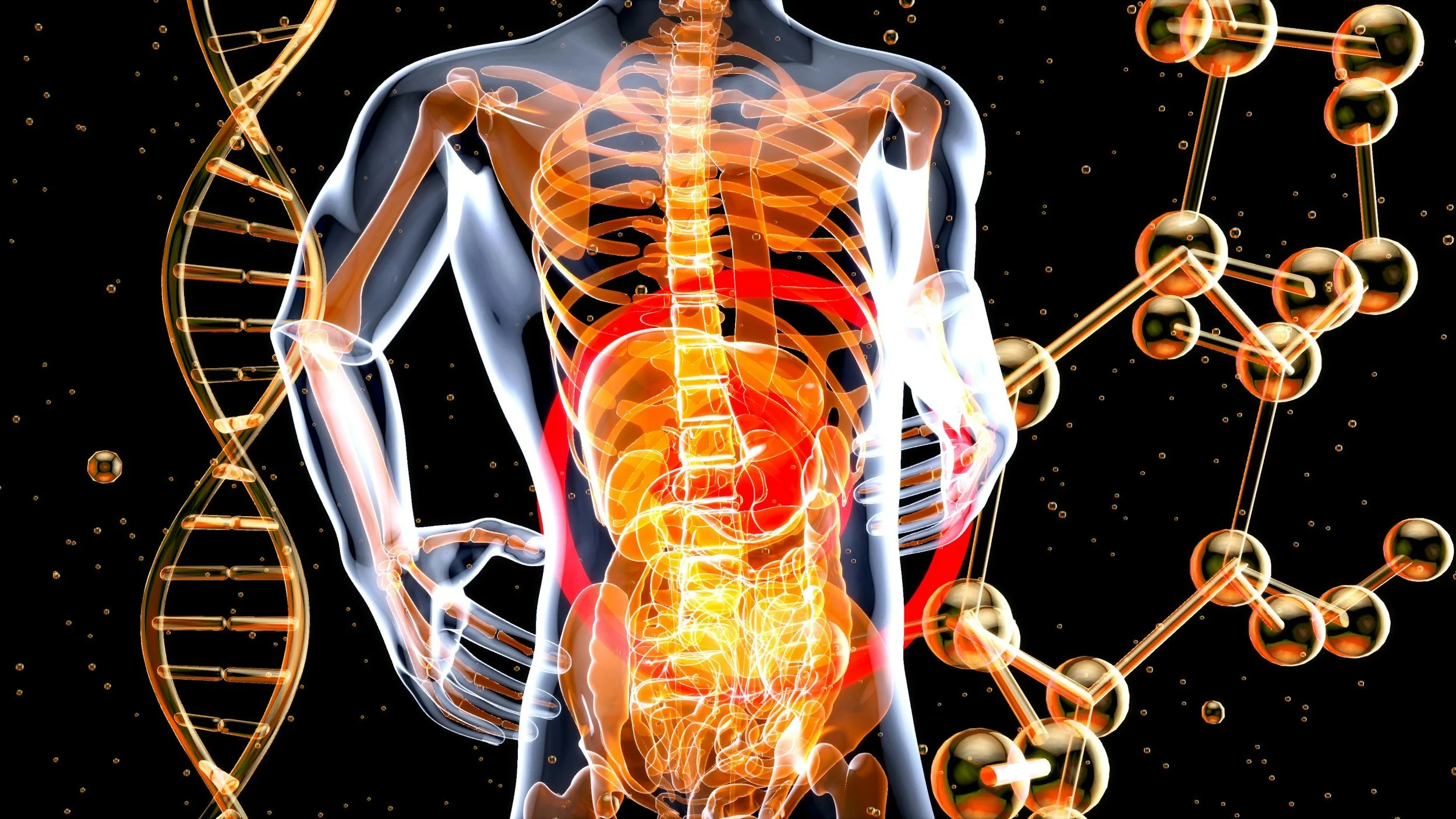
4. Nutritional Awareness: Nearly all mental health, cognitive, behavioral, personality, habit-based, and neurodegenerative issues begin in the gut.

1. Exercise
3. Breath Awareness

Nutritional Awareness

5. Mindful Eating: Mindful eating is a practice rooted in mindfulness, which promotes awareness and presence in the moment. This approach encourages individuals to engage fully with the eating experience, allowing them to make conscious choices about what, when, and how much to eat.
6. Yoga and Mindfulness/Mindful Movements
Mindful movement practices like tai chi, yoga, and mindful walking can significantly improve physical and mental health by integrating mindfulness with physical activity. Slow, deliberate movements, while focusing on breathing and present-moment awareness, promote relaxation, making it easier to unwind and reduce stress. Tai chi and mindful walking encourage individuals to concentrate on the present moment, improving mood and cognitive function. These forms of movement foster a sense of calm and improve emotional stability. Physical health benefits include effects, flexibility, balance, cardiovascular health, and pain management, while emotional benefits include reducing anxiety, improving mood, and enhancing resilience to stress.
7. Stress Reduction:
Stress is a natural response to the body to various demands and challenges. But not all stress is created equal. It can be categorized as good stress. You stress and bad stress distress, each having distinct effects on physical and mental health. Good stress is a positive form of stress that can motivate and energize individuals. It occurs in response to exciting challenges. Such as starting a new job, going on a first date or engaging in a competitive sport. Bad stress. Is a negative form of stress that arises when individuals feel overwhelmed or unable to cope with challenges, leading to anxiety and discomfort. Reducing stress is essential for enhancing both physical and mental health.
8. Hydration:
Hydration plays a critical role in maintaining overall health. Impacting both physical and mental well-being. Proper water intake is essential for several bodily functions and offers numerous benefits. Incorporating adequate hydration into daily life. Promotes optimal physical function and enhances mental clarity and emotional stability. The vagus nerve is a crucial part of the parasympathetic nervous system, regulating essential bodily functions such as heart rate, digestion, and the stress response. Resetting or stimulating the vagus nerve can enhance overall well-being. Follow this lead to find effective biohacks to help reset the vagus nerve.




10. Biohacks - Vagus Nerve Reset:
The vagus nerve. Is a crucial part of the parasympathetic nervous system. Playing a significant role in regulating essential bodily functions such as heart rate, digestion and stress response, resetting or stimulating the vagus nerve can enhance overall physical well-being. Follow the link 10 effective biohacks to help reset the vagus nerve.