

Yoga and Mindfulness

Yoga and Mindfulness
Mindfulness is a broad term that describes many practices that help you connect with the present moment. Yoga is one of these practices that can shape not only how we feel day to day but also the quality and resilience of our lives over time. Yoga is among the most impactful habits a person can develop for both mental and physical well-being. Research consistently shows that mindfulness-based interventions and yoga effectively address stress, chronic pain, anxiety, and recurrent depression. This makes them foundational practices for long-term health.
Yoga and mindfulness work by uniting movement, breath, and attention, grounding the body and mind in the present moment. Through this process, they reduce cortisol levels and activate the parasympathetic nervous system, which is responsible for rest, digestion, and recovery, helping to counterbalance the body’s fight-or-flight response. This shift lowers blood pressure and heart rate, supports cardiovascular health, and promotes a sense of calm and regulation.
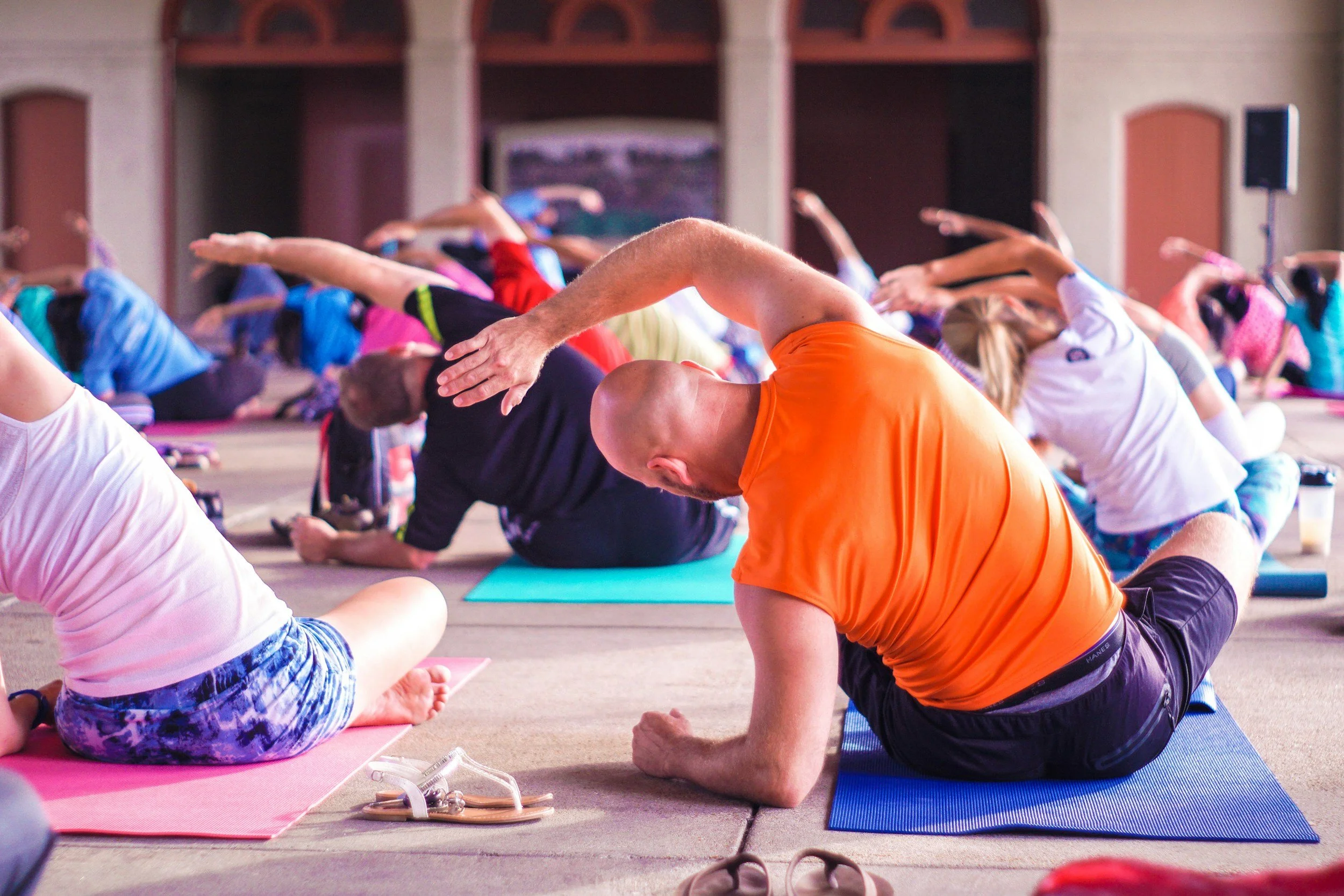
Regular practice also enhances brain function. By training attention to remain in the present moment, yoga and mindfulness improve concentration, memory, and emotional regulation. They increase serotonin levels, which support mood, positivity, and resilience against depression. Over time, these practices quite literally exercise the brain, strengthening its capacity to respond rather than react.
The benefits extend well beyond mental health. Yoga improves sleep, mobility, and physical flexibility, while reducing chronic pain and inflammation. As psychiatrist Dr. Helen Lavretsky notes, mind-body practices have been shown to decrease reliance on medication, enhance athletic, academic, and workplace performance, reduce perceived stress, and improve the quality of relationships. Breathing-based practices such as yoga also reduce vascular risk factors by lowering blood pressure and heart rate.
Like exercise, mindfulness, and yoga are not about perfection. They are about consistency. Any amount of practice is beneficial, but sustained engagement yields profound, compounding effects. When integrated into daily life, these practices become powerful tools for longevity, balance, and a higher quality of living.
Components of Yoga
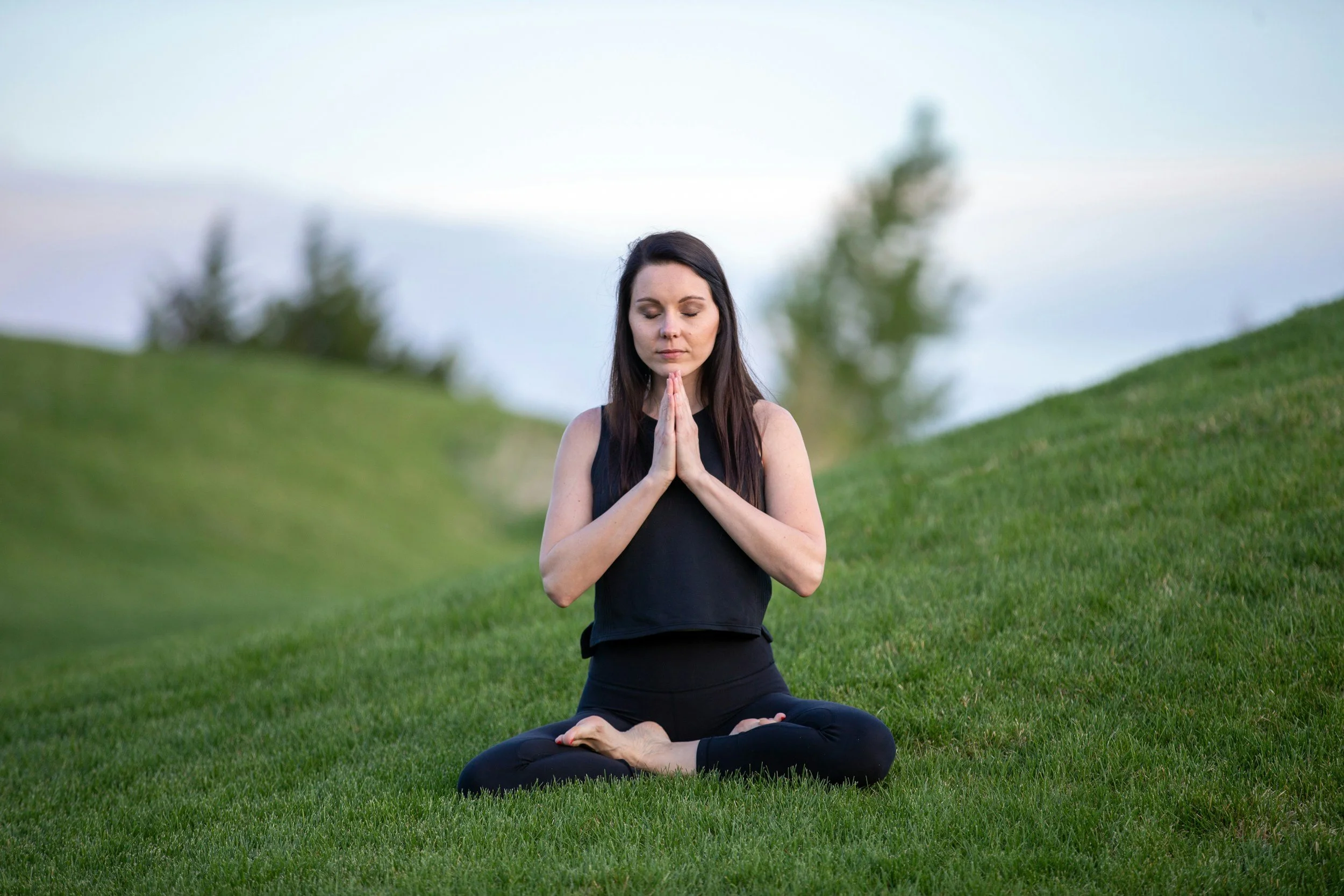
Yoga is a comprehensive mind-body practice that integrates movement, breath, and awareness to support physical, emotional, and mental well-being. Asanas, or physical postures, build strength, balance, and flexibility while helping the body release stored tension. Through intentional movement, these poses support both physical conditioning and nervous system regulation.
Pranayama, or breathwork, focuses on conscious control of the breath to guide energy and influence mental and emotional states. Techniques such as Alternate Nostril Breathing and Ujjayi Breath (Ocean’s Breath) help regulate the nervous system, improve focus, and support emotional balance by calming or energizing the body as needed.
Dhyana, or meditation, cultivates sustained mindfulness, mental clarity, and inner calm. Often practiced in stillness or integrated into restorative postures such as Corpse Pose, meditation strengthens attention, emotional regulation, and present-moment awareness.
Savasana, or deep relaxation, is an essential component of yoga practice. This final resting posture allows the body and mind to fully integrate the benefits of movement and breathwork, promoting deep rest, nervous system recovery, and the release of residual tension. Together, these elements create a holistic practice that supports long-term health, resilience, and well-being.
Benefits of Mindfulness
Mindfulness can shape not only how we experience our thoughts and emotions in the moment, but also the long-term health and resilience of the nervous system. It is one of the most powerful practices for cultivating emotional regulation, self-awareness, and psychological flexibility. Through mindfulness, individuals learn to observe thoughts and feelings without judgment, creating space to respond intentionally rather than reacting automatically. This shift supports greater emotional clarity and the ability to meet internal experiences with understanding rather than avoidance.
By anchoring attention in the present moment, mindfulness reduces stress and anxiety that arise from rumination on the past or worry about the future. Research consistently demonstrates that mindfulness meditation increases positive affect while decreasing anxiety, stress, and negative emotional states. These practices activate the parasympathetic nervous system, the body’s system for rest, digestion, and recovery, lowering cortisol and adrenaline levels and helping the body move out of chronic fight-or-flight activation.
Regular mindfulness practice also strengthens brain function. It enhances connections in the prefrontal cortex, the area responsible for attention, impulse control, and emotional regulation, allowing individuals to interrupt anxiety cycles more effectively. Over time, this neuroplastic change supports improved sleep, greater emotional balance, and a steadier sense of calm. Much like physical exercise strengthens muscles, mindfulness strengthens the brain’s capacity to regulate emotions and respond with intention.
The nervous system itself can be strengthened through consistent practices such as mindfulness and yoga. When integrated into daily life, these practices become foundational tools for resilience, stress regulation, and overall well-being, supporting not only mental health but long-term physiological balance and quality of life.

Tai Chi Walking
What is Tai Chi Walking?
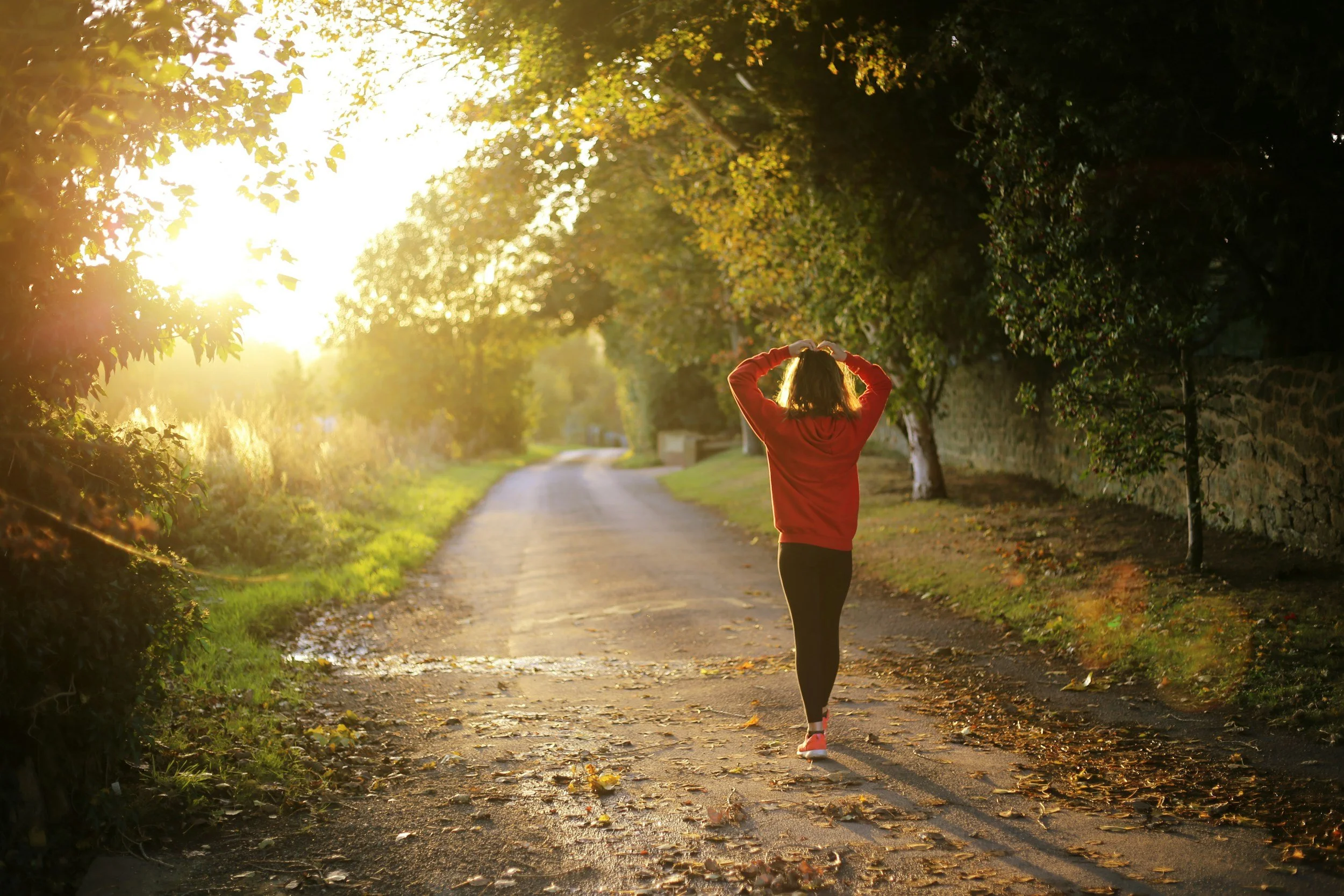
Tai Chi walking is a specialized form of walking that involves applying gentle pressure to the bones and joints. This method uses mechanical stress to influence bone and collagen growth. Collagen is a piezoelectric material, meaning it generates a small electrical charge when pressure is applied. This charge stimulates bone-building cells, improving cartilage, tendons, and ligaments, and increasing overall strength, elasticity, and support. Regular practice of Tai Chi walking consistently stimulates bone growth and density, helping minimize osteoporosis and reduce the risk of falling. The process is similar to rehabilitating a leg after being in a cast; gradual pressure helps restore strength and flexibility. While everyday walking provides many health benefits, Tai Chi walking offers unique advantages. By slowly and deliberately shifting your weight, you become more aware of your body in space and pay attention to the pressure you exert on bones and joints in different postures. This helps to improve your balance, coordination, collagen production, bone growth, flexibility, and mobility. These improvements can reduce the risk of chronic pain, support weight loss, and help prevent diabetes and heart disease. Tai Chi walking is accessible, straightforward, and enjoyable.
Tai Chi as Meditation
Tai Chi can also serve as a form of meditation, providing an easy way to focus attention on the present moment and prevent mind wandering, which is often linked to decreased happiness. It’s an easy way to bring your attention to the present moment and hold it there. It basically starts with finding a comfortable position, gradually shifting your weight forward or backward, and slowly shifting it from one foot to the other, while moving your body in various ways to improve balance, agility, coordination, strength, and stamina.
The Role of Breathing and Mindfulness in Tai Chi
Tai Chi is a simple practice comparable to yoga, requiring focused attention and emphasizing breathing. Practitioners are encouraged to breathe deeply and completely, maintaining awareness of body sensations, alignment, and balance. This focus strengthens the harmony between the left and right hemispheres of the brain, a key concept in Tai Chi. You breathe fully and completely, and notice your body; some might call this inhabiting the body because you are focusing your attention completely on body sensations, alignment, and balance.
Establishing the Mind-Body Connection
Most Tai Chi practices begin with standing still and focusing solely on the body. This helps unify the mind and body, reinforcing this connection. Attention is directed to the breathing—how air moves in and out through the nose or mouth—to cultivate breath awareness. The next step is to move into a stance that further grounds oneself in the moment, strengthening the connection between the body and the ground. During this phase, practitioners raise their hands or move their bodies up on inhalation and lower them on exhalation, coordinating breath with movement. This process promotes relaxation and acceptance, symbolically letting go of tension with each exhalation. Movement can take many forms, from walking and turning to the practice of imagining yourself standing on top of poles and stepping from one pole to another: each step involves carefully aligning the body weight on top of the pole and systematically shifting weight while maintaining balance.
Moving Meditation and Body Awareness
Tai Chi walking resembles a standing body-scan meditation. While moving, practitioners pay close attention to different parts of the body, including hands, arms, elbows, and joints. This gradual movement and slight pressure help you notice areas of stress and tension, calling attention to where you need to release stress or stimulate bone growth and collagen production, increasing bone density and flexibility.
Breath and the Parasympathetic System
An important aspect of Tai Chi is positioning the body to allow the breath to descend into the abdomen, stimulating the parasympathetic nervous system. As the diaphragm drops, it moves the internal organs below and stimulates nerves innervating the abdominal cavity.
Adaptability and Health Benefits
There are various methods for practicing Tai Chi walking, and no single approach is universally correct. Some people use Tai Chi to relieve pain, while others focus on balance, coordination, or cardiovascular fitness. Tai Chi walking is particularly suitable for older adults due to its gentle impact on the body and joints. The practice involves intentionally lifting the feet and placing them softly on the ground, which can help prevent tripping and falling by making these movements a natural part of everyday walking. Proper posture and alignment also reduce strain on joints and efficiently manage the body's weight during movement. This mindful approach activates the parasympathetic system, lowering cortisol levels, reducing stress, and improving nervous system balance. By paying attention to posture and movement, Tai Chi walking helps individuals manage life’s challenges and improve their physical and mental well-being.