
Anxiety

Managing anxiety begins with understanding how your mind and nervous system work. In this section, we explain how anxiety can override your system, creating a sense of helplessness that makes it challenging to regain control. Whether you are looking for immediate grounding techniques or long-term management tools, you’ll find the clarity and encouragement needed to reclaim control of your life. Anxiety is not a permanent condition that defines your existence; it is a condition in which evolving insights suggest multiple natural avenues for managing and reversing the condition.
Building Awareness: The Foundation of Managing Anxiety

Understanding or demystifying anxiety is the first step toward greater awareness, which is crucial for effectively managing this complex condition. Whether you are experiencing anxiety yourself or supporting someone who is, the information provided here will help you gain the knowledge and understanding needed to create a supportive environment for anyone affected by anxiety.
2. The Relationship Between Stress and Anxiety

Distinguishing between stress and anxiety is essential for mental well-being, as these emotional states are often confused. Stress typically arises in response to an external trigger, such as a demanding work deadline or a personal obligation, and tends to resolve once the situation has passed, allowing the nervous system to return to a state of rest and recovery. In contrast, anxiety can persist even without a clear external source and is characterized by ongoing feelings of worry or dread. In this section, you will learn to distinguish between temporary stress and persistent anxiety.
3. The Anxiety Disorders

Anxiety disorders are complex conditions that affect millions of people worldwide, often stemming from a mix of genetic, environmental, and psychological factors. Anxiety disorders can become debilitating, impacting daily life and emotional well-being. This page describes the various anxiety disorders, including traumatic stress disorders. By gaining insight into the common traits of these conditions, you will develop a greater understanding of the different ways that anxiety affects people.
4. The Anatomy of Anxiety: Connecting the Nervous System and Emotional Health

Polyvagal theory, developed by Dr. Stephen Porges, offers valuable insights into how our autonomic nervous system influences emotional well-being. This theory focuses on the role of the vagus nerve, the longest nerve in the autonomic nervous system, in regulating our responses to stress, feelings of safety, and social engagement. A deeper understanding of polyvagal theory helps us appreciate how physiological states impact our emotional experiences and behaviors. This theory offers practical strategies to improve mental health and foster a sense of safety in daily life.
5. How Anxiety Affects Behavior

Anxiety often drives specific behaviors that can be either counterproductive or, at times, productive. It is not simply a fleeting feeling—it often manifests as noticeable actions and reactions that shape daily life in meaningful ways. Understanding how anxiety influences behavior helps in recognizing patterns such as avoidance, irritability, or an overwhelming urge to escape uncomfortable situations. This section examines the roots of these maladaptive actions. Learning about these behaviors can promote healthier coping skills and empower you to manage anxiety more effectively in everyday life.
6. Panic Disorders

Panic is overwhelming, impacting daily life and emotional well-being. However, various strategies can help alleviate panic symptoms and equip individuals with the skills to regain control. Our collection of tools includes evidence-based techniques such as mindfulness, cognitive-behavioral relaxation methods, and practical self-help resources. Whether you're seeking instant relief during a stressful moment or long-term strategies for managing panic attacks, we provide valuable insights and actionable steps. Dive in and discover how you can empower yourself to navigate anxiety and panic reactions more effectively.
Perfectionism/Obsessions

Limit"Certainty Seeking"
Perfectionism and anxiety are often two sides of the same coin. While striving for excellence can be motivating, perfectionism usually isn't about "doing your best"—it’s about a relentless fear of being "not enough."
Anxiety thrives on the need for 100% certainty. We often try to achieve this by overtrying, obsessing, always wanting more, or constantly asking for reassurance. Practice sitting with the discomfort of not knowing for short periods to build mental "calluses." The mindset of perfectionism creates a high-pressure environment in which anxiety thrives.
False Anxiety
Medical Conditions and Medications Can Mimic Anxiety
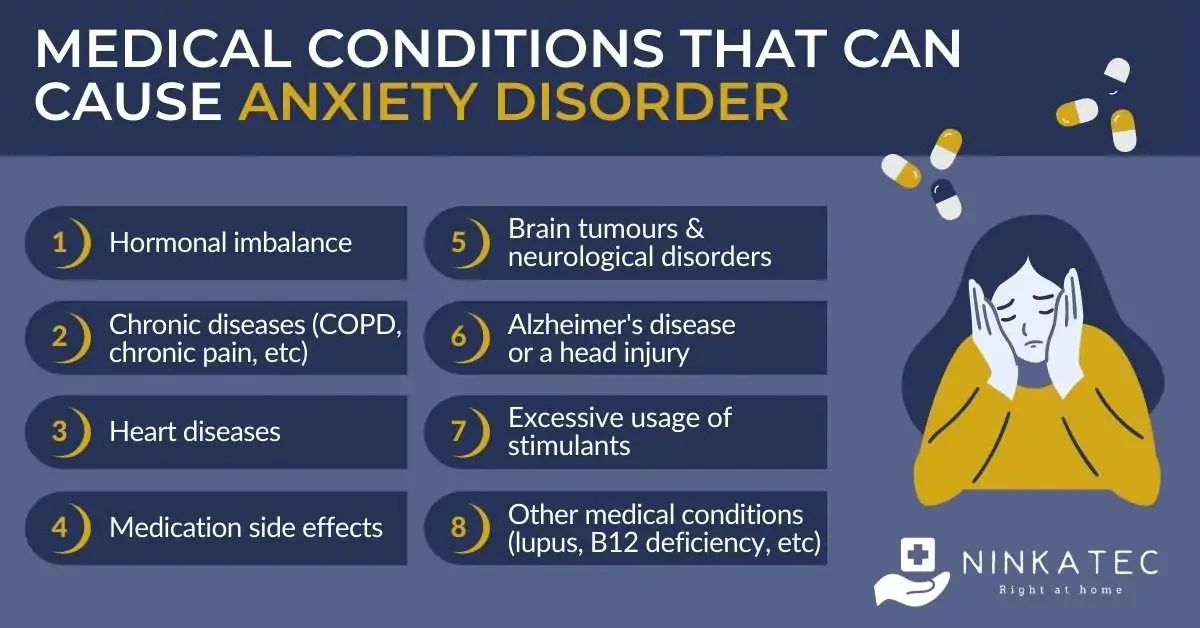
While we often view anxiety through a purely psychological lens, a variety of medical conditions—from thyroid imbalances to cardiovascular issues—and common medications can mimic or trigger intense feelings of unease. This page explores the physiological roots of anxiety, helping you distinguish between a mental health struggle and a biological side effect or False Anxiety.
Strategies for Managing Anxiety
Increasing Feel Good Chemistry

This page. It is focused on helping you develop small habits that enhance your feel-good chemistry. In our fast-paced world, it's easy to overlook the small changes that can profoundly impact our well-being. By incorporating simple, mindful habits into your daily routine, you can stimulate the production of feel-good hormones such as dopamine and serotonin. Oxytocin and endorphins. These hormones play a crucial role in regulating mood, reducing stress, and boosting overall happiness. Whether it's taking a short walk in the sun, practicing gratitude, or indulging in a favorite hobby, these tiny tweaks can build up over time, leading to significant improvements in mental health and emotional resilience. We explore practical strategies and insight to help you unlock your feel-good chemistry and cultivate A happier, more balanced life.
Expressive Writing

Welcome to our page on how expressive writing can serve as a powerful tool to help manage anxiety disorders. Expressive writing involves articulating thoughts and feelings about challenging experiences. This form of writing has been shown to provide therapeutic benefits for those facing anxiety. The practice allows individuals to process their emotions to gain clarity, effectively reducing the overwhelming feelings often associated with anxiety. Research indicates that putting pen to paper not only helps recognize triggers but also facilitates a deeper understanding of your inner thoughts and feelings. By engaging in this form of self-expression, many find relief from anxiety symptoms and an improved sense of well-being. Join us to explore the many ways in which expressive writing can enhance emotional health and provide a healthy coping mechanism.
Cognitive Strategies for Managing Anxiety

This page explores the world of Cognitive Behavioral Therapy (CBT) and other evidence-based mental frameworks designed to interrupt the cycle of anxious thinking. Rather than just managing symptoms, we dive into the "software" of the mind, teaching you how to identify cognitive distortions—like catastrophizing or all-or-nothing thinking—that fuel stress. By learning to reframe your internal dialogue and challenge irrational fears with logic, you can transition from a state of constant high alert to one of informed composure. Whether you are a long-time overthinker or facing a new season of stress, these strategies provide the structural support needed to build a more resilient, peaceful mindset.
Bottom Up Strategies for Managing Anxiety

While cognitive strategies address the "thinking" brain, bottom-up strategies focus on the "feeling" body, recognizing that anxiety often starts as a physical sensation before it ever becomes a coherent thought. This page explores how to calm your nervous system from the ground up, using the body’s innate physiology to signal safety to the brain. By engaging the vagus nerve and utilizing sensory input, these techniques—ranging from somatic tracking to rhythmic movement—help interrupt the "fight-or-flight" response at its source. Instead of trying to reason with a racing heart, you will learn how to use breath, temperature, and touch to physically shift your state from high-alert survival to a grounded sense of "rest and digest."