

Vagus Nerve Activation
How to Jump Start the Parasympathetic Nervous System
Reset

Understanding the Vagus Nerve
The Vagus Nerve: Functions, Stimulation Techniques, and Health Implication
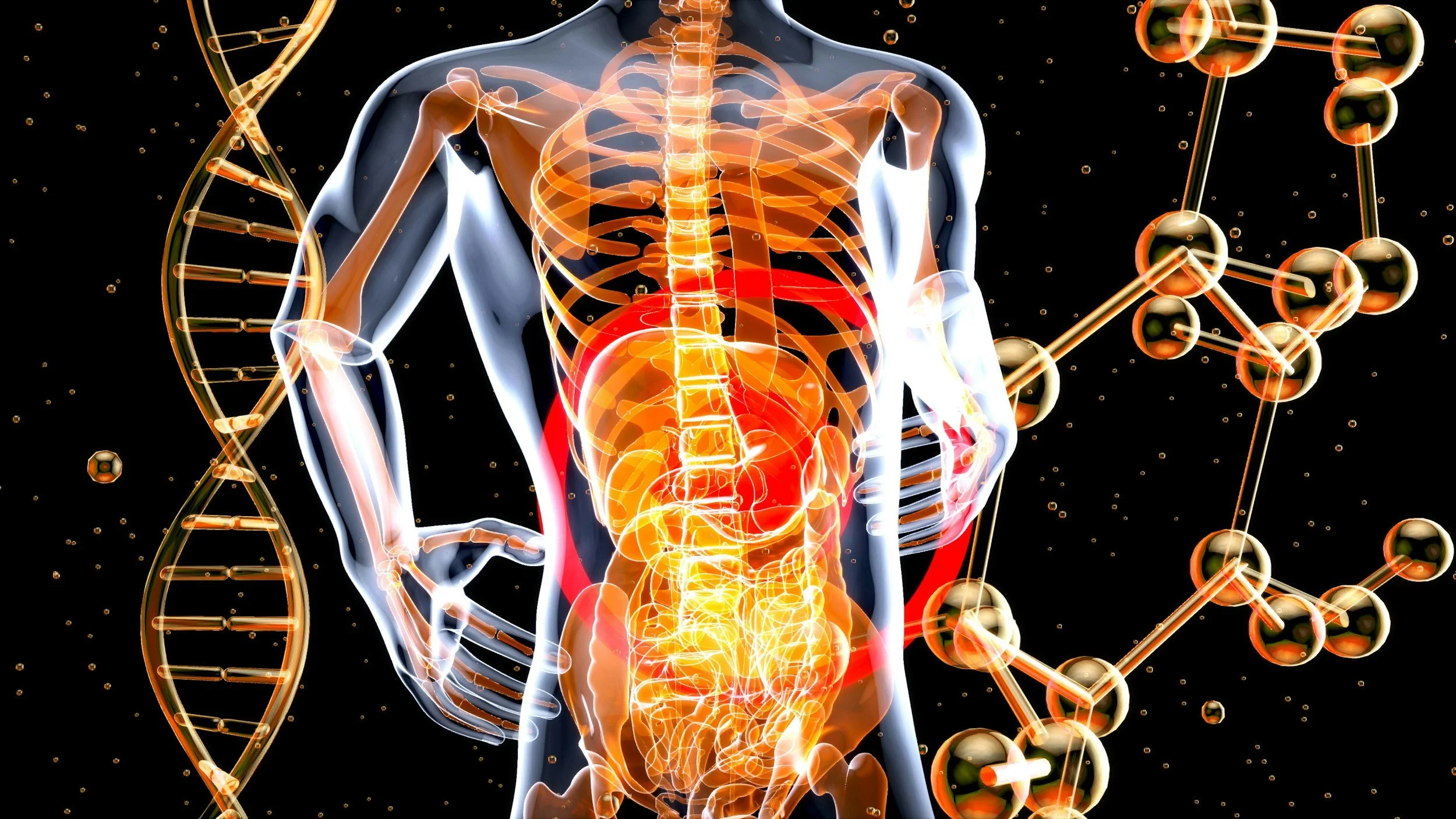
The vagus nerve is one of twelve cranial nerves that connect the brain and body, extending from the brainstem to the gut. As a critical part of the parasympathetic nervous system, it helps regulate resting heart rate, breathing, and digestion, distinguishing it from the sympathetic nervous system, which is responsible for the fight-or-flight response. The vagus nerve is central to unlocking the body's relaxation response and, according to recent research, also helps modulate inflammation—a factor involved in nearly all chronic diseases, including those affecting cognition.
he FDA has approved devices that use electrical impulses to stimulate the vagus nerve for treating specific conditions such as epilepsy, depression, and migraines. Research has also shown that stimulating the vagus nerve may support brain function, even in people without underlying health conditions. Activities commonly associated with calmness—such as deep breathing, meditation, massage, and even awe—have been shown to increase vagus nerve activity and positively affect the brain. Furthermore, practices like meditation, mindfulness, and listening to music, singing, and laughter have been linked to a reduced risk of cognitive impairment. However, the mechanisms behind these effects are still being investigated.
Vagus Nerve Dysfunction and Its Symptoms
Symptoms of vagus nerve dysfunction are varied and can affect multiple systems of the body. Digestive issues may include bloating, reflux, and constipation. Cardiovascular symptoms can present as palpitations or low blood pressure. Other possible signs are hoarseness, loss of gag reflex, anxiety, depression, brain fog, fatigue, and chronic inflammation. Key indicators of vagal dysfunction include trouble swallowing, dizziness, chronic fatigue, and irregularities in heart rate or blood pressure—often resulting from impaired signaling to organs such as the gut, heart, and lungs.
The vagus nerve can also play a role in headaches, particularly migraines, cluster headaches, and cervicogenic headaches (a type of secondary headache where pain originates from the neck (cervical spine) due to an injury, poor posture, or underlying condition like arthritis, causing referred pain to the head, often on one side, with symptoms like neck stiffness and limited movement). These headaches may be caused by irritation, compression, or dysfunction of the vagus nerve, which can disrupt autonomic balance and control of inflammation. Factors such as neck trauma, spine degeneration, or chronic stress can impair vagal tone, increasing pain signals and headache frequency and intensity.
Natural Ways to Stimulate the Vagus Nerve
Like muscles, nerves require activity to function optimally.Although many people do not focus on vagal nerve stimulation in their daily lives, there are several simple techniques to activate this nerve without specialized equipment. These exercises may yield significant health benefits, potentially as impactful as vigorous cardio training.
Breathing Exercises
Slow, deep belly breathing is an effective way to stimulate the vagus nerve, as it shifts attention away from stressful thoughts and towards the rhythm of the breath. One technique involves inhaling through the nose for a count of six and exhaling through the mouth for a count of eight, watching the belly expand and contract. Practicing deep breathing for just a few minutes can keep the vagus nerve active.
There are also ancient methods for stimulating the parasympathetic nervous system, such as abdominal breathing and extended exhalation. Gradually increasing the depth and duration of breaths allows the body to adjust naturally. However, individuals with heart or lung diseases should consult a medical specialist before attempting these techniques.
Meditation and Mindfulness
Meditation activates the vagus nerve and calms the network of nerves that regulate various physiological processes. Not only does meditation help lower heart rate and blood pressure, but it also reduces the risk of cognitive decline and neurodegenerative disease. Mindfulness meditation, which includes pausing to notice the surroundings and breathing, can be particularly beneficial.
Loving-kindness meditation, which involves generating compassionate thoughts toward oneself and others, has been shown to increase vagus nerve activity. This form of meditation can be practiced by sitting comfortably, focusing on the breath, and mentally repeating mantras such as "May I be happy" and "May my coworkers be healthy and strong."
Laughter and Social Connection
Laughter is one of the most enjoyable ways to stimulate the vagus nerve. Watching a funny show or movie, especially with others, provides health benefits such as increased circulation, lowered blood pressure, and the release of beneficial chemicals for the cardiovascular system. Socializing with people who evoke positive emotions also enhances vagal tone, promoting stronger relationships and greater vagus nerve stimulation.
Vocal Exercises: Humming, Singing, and Gargling
Singing loudly, humming, and gargling water can all stimulate the vagus nerve by exercising the vocal cords and throat muscles. These activities can also lead to the release of oxytocin, fostering feelings of joy and well-being. If singing loudly is not possible, even gentle humming or gargling can be effective.
Additionally, maintaining a calm, even tone or listening to soothing voices can help soothe the body by stimulating the vagus nerve and triggering the release of oxytocin.
Physical Activity and Exercise
Exercise increases blood flow to the brain, stimulates the development of new neural pathways, enhances connectivity, and activates the vagus nerve. Endurance activities such as jogging, cycling, and swimming, as well as interval training, are particularly effective. Regular exercise can outperform medication for conditions like depression, anxiety, and memory loss.
Yoga (at least 90 minutes per week), tai chi, and qi gong are gentle forms of exercise that also stimulate the vagus nerve. Moderate to intense exercise, performed four times a week, provides additional benefits for mental health and vagal activation.
Massage and Physical Touch
Gentle massages, especially of the neck, shoulders, and feet, support vagus nerve stimulation and overall relaxation. Foot reflexology and craniosacral therapy are also beneficial. However, deep tissue or painful massage should be avoided, as it may trigger a stress response. Acupuncture—particularly when performed on the ear—can further enhance vagal activity.
Cold Exposure
Brief exposure to cold temperatures, such as taking cold showers, splashing cold water on the face, or even spending time outside in cold weather, can stimulate the vagus nerve and reduce the body's stress response. Initially, the sympathetic nervous system is activated, but as the body adapts, the parasympathetic system (and thus the vagus nerve) becomes more active.
Experiencing Awe and Inspiration
Engaging in activities that inspire awe—such as spending time in nature, listening to inspiring music, or cultivating meaningful relationships—can activate the vagus nerve. Such experiences can lower blood pressure, inhibit the stress response, reduce inflammation, improve heart rate variability, reduce pain, and enhance sleep and mood.
Progressive Muscle Relaxation
Progressive muscle relaxation, which involves systematically tensing and relaxing muscle groups from the feet to the head, is an effective way to reduce anxiety and stimulate the vagus nerve. This practice should be performed in a quiet, comfortable environment, with attention to breathing.
Medical and Dietary Approaches
In some cases, medical interventions such as the implantation of a programmable pulse generator device may be recommended, particularly for individuals with epilepsy or treatment-resistant depression. These devices deliver electrical impulses to the vagus nerve and are generally considered safe, though side effects may include voice changes, throat pain, cough, headache, chest pain, or skin tingling. Noninvasive devices are also available and are becoming more popular.
Dietary strategies include increasing intake of probiotics like Lactobacillus rhamnosus and Bifidobacterium longum as well as omega-3 fatty acids (commonly found in fish). These supplements may influence vagal activity and mental health, although more research is needed to confirm their effectiveness in humans. Eliminating sugar, caffeine, and alcohol from the diet, and practicing intermittent fasting (when appropriate), may further support vagal tone and overall health.
Vagus Nerve Function and Health Implications
Cardiovascular Health
The vagus nerve is essential for regulating heart rate and blood pressure. High vagal tone is associated with lower resting heart rate, reduced blood pressure, and increased heart rate variability (HRV), all of which indicate a healthy autonomic balance.
Digestive Health
The vagus nerve regulates digestive processes by controlling the release of digestive enzymes, gastric acid, and bile, as well as coordinating the movement of food through the digestive tract. Impaired vagal function can contribute to gastrointestinal issues such as acid reflux, gastroparesis, and irritable bowel syndrome.
Immune System Regulation
By modulating inflammation, the vagus nerve plays a vital role in preventing excessive inflammation and supporting immune health. Chronic inflammation is a common factor in many diseases, including autoimmune and neurodegenerative disorders.
Mental Health and Cognitive Function
Vagal tone significantly influences mental health, particularly in terms of mood regulation, stress resilience, and cognitive performance. High vagal tone promotes relaxation and faster recovery from stress, while low vagal tone is linked to increased stress reactivity, anxiety, and depression. Vagus nerve activity is also associated with cognitive functions such as attention, memory, and decision-making.
Enhancing Vagal Tone: Approaches and Considerations
Non-Medical Strategies
Non-medical approaches to promoting vagal tone include deep diaphragmatic breathing, meditation, mindfulness practices, regular aerobic exercise, brief cold exposure, and building social connections. Each of these strategies can be incorporated into daily routines to support the vagus nerve's function.
Myths and Facts About the Vagus Nerve Reset
While massage therapy and certain supplements (like omega-3 fatty acids and probiotics) have been promoted as ways to "reset" the vagus nerve, there is limited research to support these claims. Massage can provide general relaxation, but direct, strong, or prolonged stimulation of the vagus nerve through physical pressure is not recommended.
Conclusion
The vagus nerve is a crucial component of the nervous system, influencing both physical and mental health through its regulation of heart rate, digestion, inflammation, and mood. Understanding its functions and exploring strategies to enhance vagal tone can help support overall well-being and improve quality of life.