

Managing Time
Time management is a crucial skill for fostering stronger connections. By managing your time well, you will have increased availability and allocate it to your top priorities. This creates more opportunities for connection by prioritizing socializing and networking opportunities. Your time well spent builds trust, as people see you as consistent and reliable, which strengthens connections. Managing time well also helps in interactions, allowing you to focus on meaningful conversations with others, be more present and engaged, rather than superficial activities.
Balancing Time To Nurture Relationships:
Action Steps for Time Management:

Block off time for social interactions. Schedule coffee dates, catch-ups, or family time just as you would any other important appointment.

Plan ahead. Establish your top priorities for the week. Set reasonable, achievable goals, intentions and timelines.

Set clear boundaries for work and personal time. This helps ensure you have dedicated space for nurturing connections without interruptions from work.

After meetings or social gatherings, follow up with a message or call to reinforce connections. A simple “I enjoyed our time together” can strengthen bonds.

During conversations or social gatherings, put away devices to foster deeper connections. Set "do not disturb" times when you can fully engage with others.
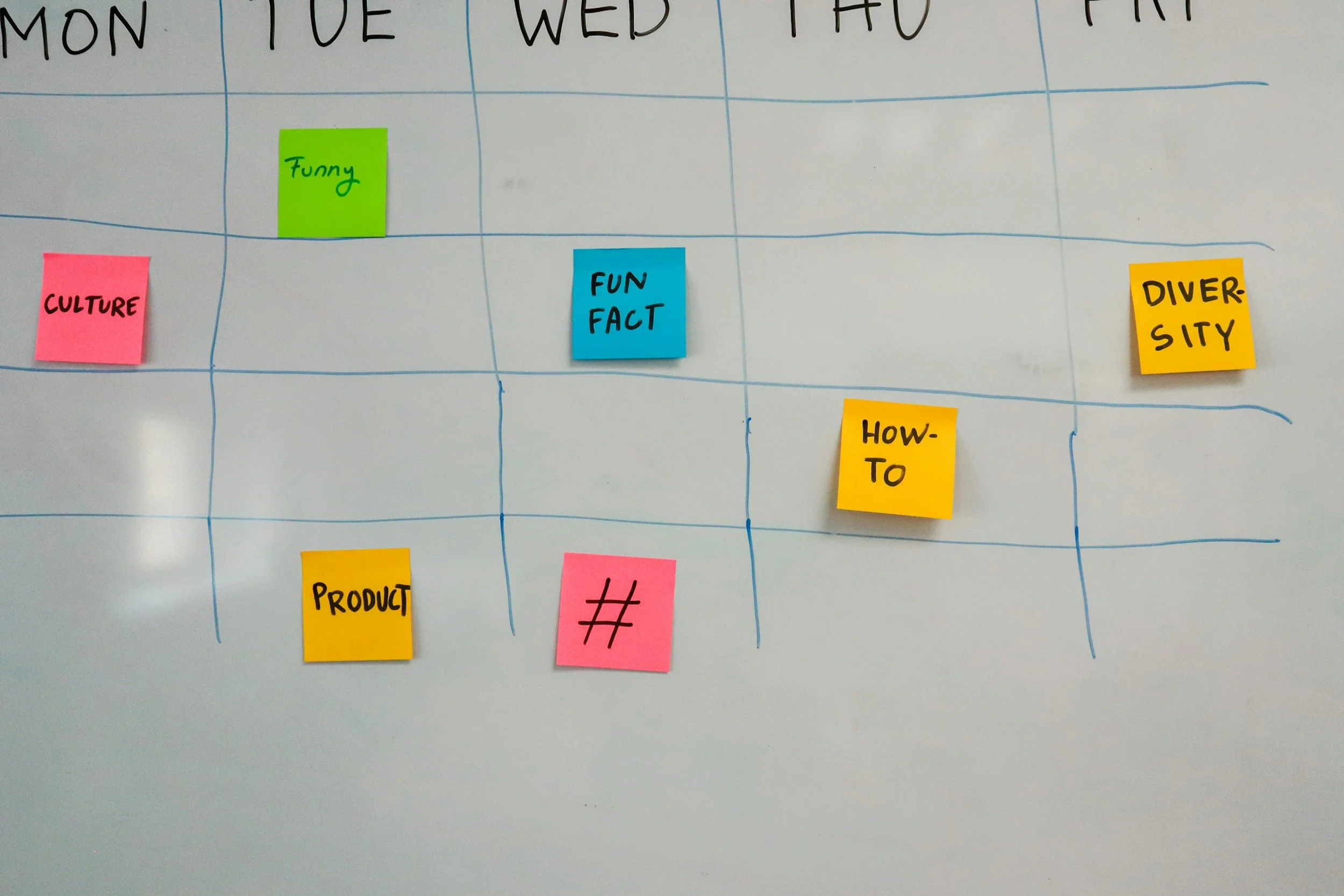
Make a plan that includes time for all important connections. Spend some time in Nature, make time for yourself, connect with your body, and connect spiritually through prayer and gratitude practices.

Learn to say no to commitments that don’t align with your priorities. By freeing up your schedule, you create more room for the relationships that matter.

Integrate Social Activities: Combine social time with other commitments, such as inviting friends to a workout or a family dinner. This way, you can bond while managing your time efficiently.

Reflect on Weekly Interactions: Take time each week to reflect on your interactions. Consider what went well and what can be improved to enhance future connections.
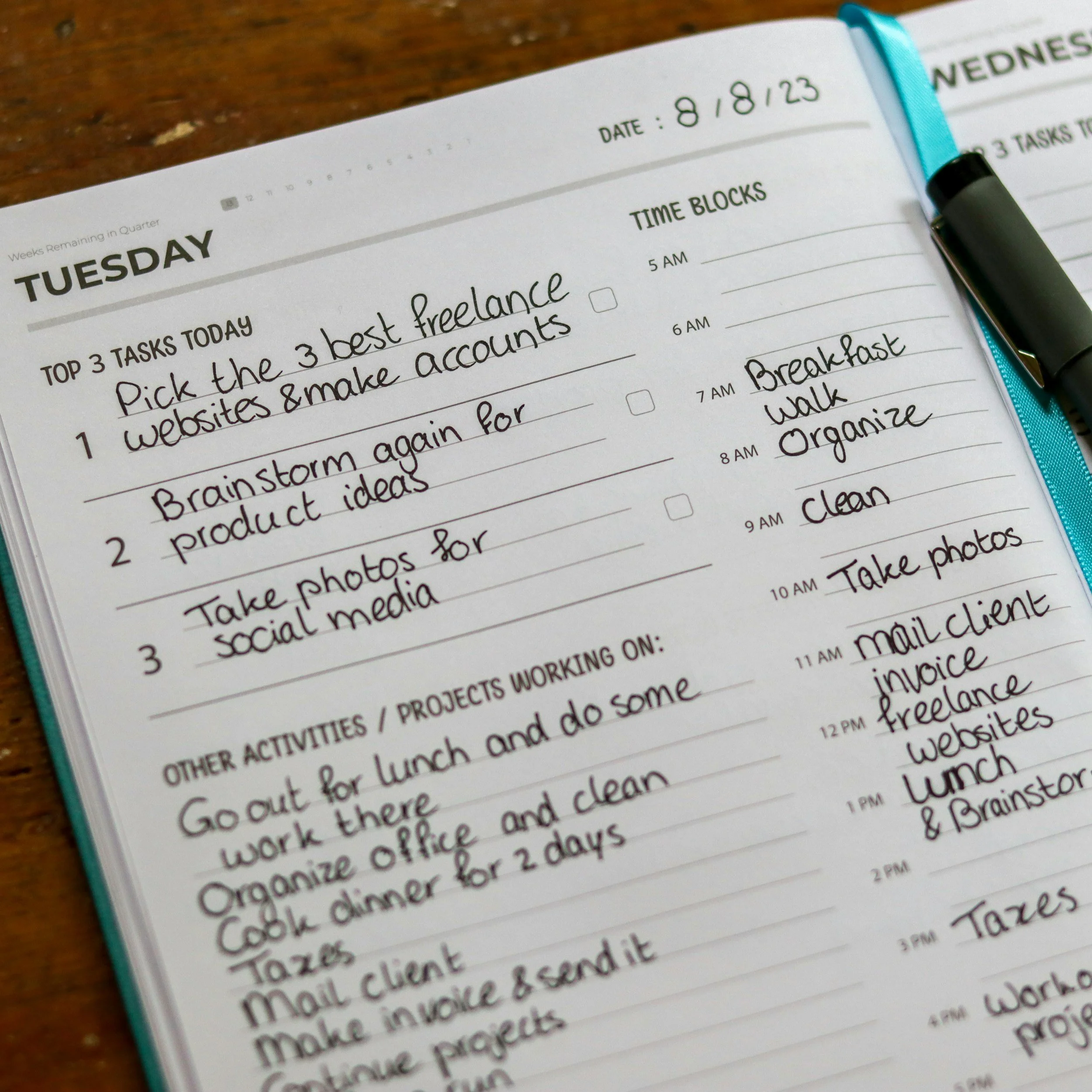
Implement time blocking to allocate specific periods for work and personal interactions. For example, dedicate an hour to calls with friends or family.

Make a list of relationships or interactions that need attention, focusing on what matters most. Call or get in touch to keep the relationship together.

Prepare for social interactions by setting reminders and planning topics to discuss or activities to share. This reduces stress and enhances engagement.
Time management prioritizes important connections, strenthens intentionality and helps you engage more meaningfully.

1. From the list of Actionable Steps for Time Management, choose one major category you would like to strengthen.
2. From the broad category, get specific, choose one or two action steps you want to practice during the upcoming week. This may be as simple as reminding yourself of a helpful thought, committing it to memory through repetition, or writing your intentions on paper, or it could involve noticing unhealthy thoughts or prediction errors and making healthy corrections or following through with an intention.
3. Try to think of a person, place, or thing that might help you follow through with your intentions, or someone to be with or to tell about your plan?
4. What might change if you follow through successfully and accomplish the action steps? How might it help?
5. What cues will help you remember to practice these steps?
6. How will you celebrate your accomplishments?