
Communication and Listening
Being mindful of your body, language, and posture can enhance communication and strengthen communication with others. Positive body language, such as eye contact and smiling, shows trust. Open gestures encourage connection, increase comfort, and increase willingness to engage. Leaning in shows interest and lets the other person know you value the conversation. Relaxed body language helps others feel more at ease, which is essential for a stronger connection. Confident posture can also inspire respect and establish professionalism in business and professional settings.
Clear communication helps you express thoughts and feelings, fostering safety and deeper connections with others. Encouraging open dialogue invites others to share their thoughts openly, leading to meaningful exchanges. Active listening shows you value others’ opinions, creating trust in relationships. Good listening skills help you understand others’ perspectives, making them feel supported. Good communication helps navigate disagreements constructively, finding common ground. Effective communication minimizes conflicts by ensuring clarity. Regular, heartfelt conversations solidify relationships over time.

Action Steps To Strengthen Communication and Listening:
Maintain Eye Contact: Try to maintain appropriate eye contact during conversations. This shows interest and confidence. Practice by focusing on the person’s eyes for a few seconds at a time.

Pay Attention to Posture: Stand or sit up straight to convey confidence. Relax your shoulders and avoid crossing your arms, which can appear defensive. Practice in front of a mirror.

Be Mindful of Non-Verbal Cues, Body Language: Maintain open body language to show you're approachable. Instead of clenching your fists or keeping your hands in your pockets, try using open hand gestures. This invites conversation and shows openness to communication. Be aware of your expressions and ensure they match the sentiment you’re conveying.

Practice Active Listening: Put away distractions (like your phone) and give your full attention to the speaker.

Practice Empathy: Try to see things from the other person's perspective. Responding with empathy can significantly enhance mutual understanding.

Reflect, nod, and use verbal affirmations (like "I see" or "I understand") to show you're engaged.

Summarize: After the person finishes speaking, summarize what you heard to confirm understanding. After conversations, ask for feedback about how you communicate.

Ask Open-Ended Questions: Encourage deeper conversations by asking questions that require more than a yes or no answer. For example, "What do you think about...?" or "How did that make you feel?"

Reflect on Your Conversations: After significant conversations, take a moment to reflect on what went well and what could be improved for next time.

Eliminate Assumptions: Avoid making assumptions about what someone is trying to say. Instead, ask for clarification when you're unsure.

Reflect, nod, and use verbal affirmations (like "I see" or "I understand") to show you're engaged.

Improve Clarity in Your Speaking: Organize your thoughts before speaking. Use clear, concise language, and be mindful of your tone to avoid misunderstandings.

Read and Write Regularly: Reading helps you learn different communication styles, while writing can improve clarity of thought and expression.
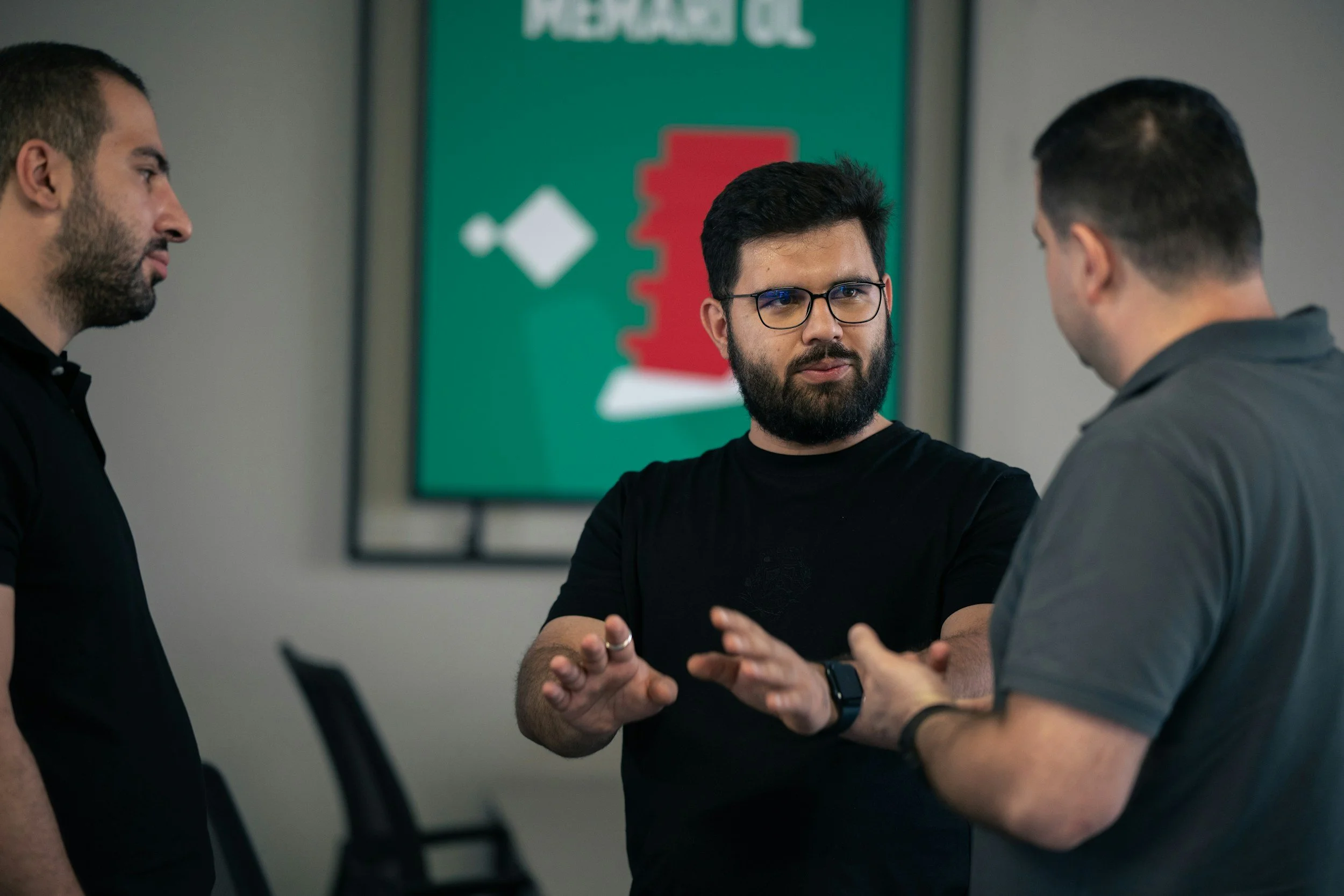
Engage in Conversations Regularly: Practice makes perfect! Engage in conversations with different people to become more comfortable and refine your skills over time.

1. From the list of Actionable Steps for Communication and Listening, choose one major category you would like to strengthen.
2. From the broad category, get specific, choose one or two action steps you want to practice during the upcoming week. This may be as simple as reminding yourself of a helpful thought, committing it to memory through repetition, or writing your intentions on paper, or it could involve noticing unhealthy thoughts or prediction errors and making healthy corrections or following through with an intention.
3. Try to think of a person, place, or thing that might help you follow through with your intentions, or someone to be with or to tell about your plan?
4. What might change if you follow through successfully and accomplish the action steps? How might it help?
5. What cues will help you remember to practice these steps?
6. How will you celebrate your accomplishments?