Connecting With Nature

The Restorative Power of Nature
Connecting With The Natural World
Spending time in nature acts as a "biological reset button" for the modern mind, effectively quieting the constant noise of digital overstimulation.
When we step into green spaces, our sympathetic nervous system—the one responsible for that "fight or flight" stress—begins to settle. This shift leads to a measurable drop in cortisol levels and heart rate, helping our bodies and minds return to a state of calm.
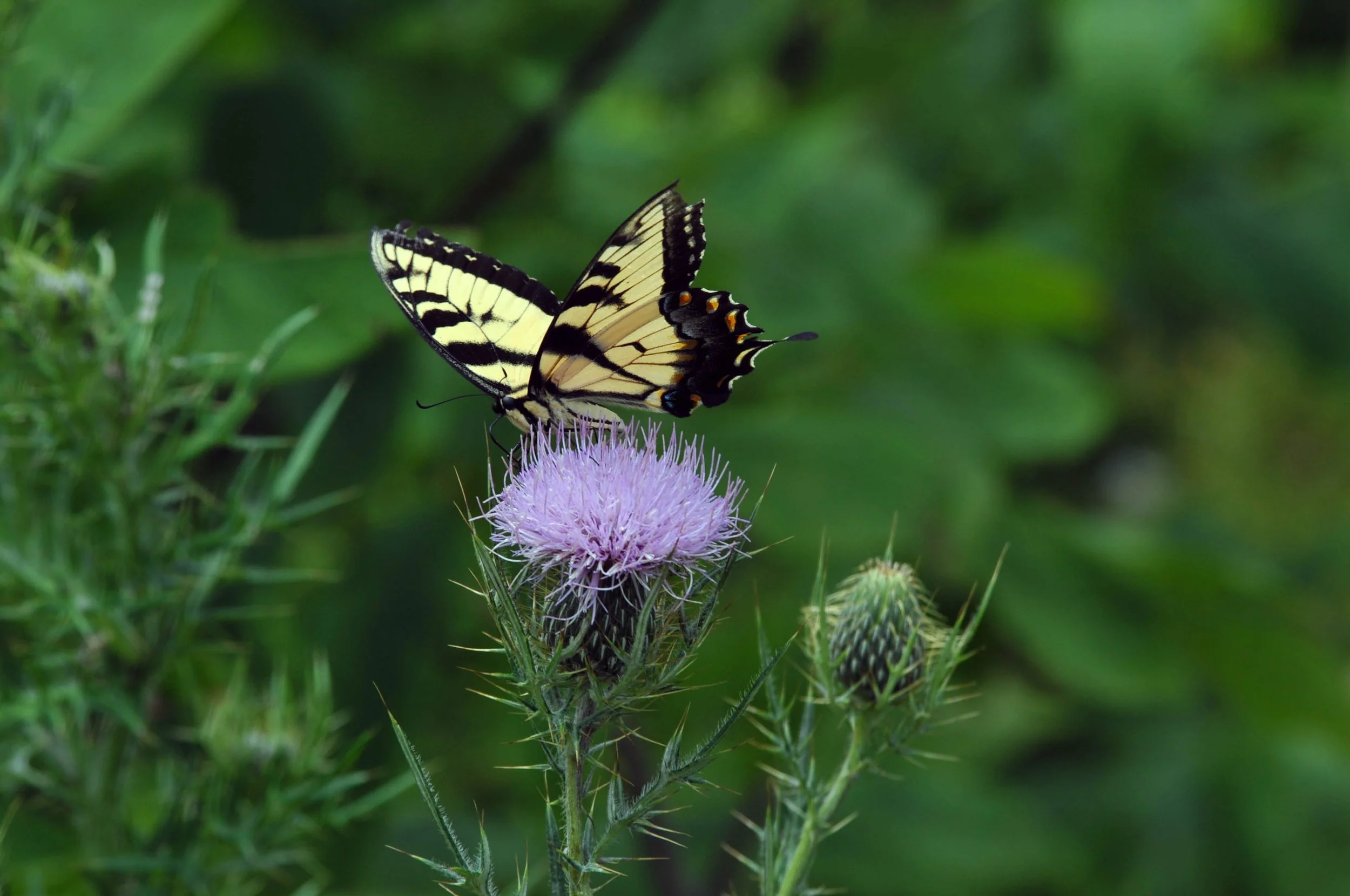
"We don't go into nature; we are part of it. Rediscover the rhythm of the earth and find your center in the wild."
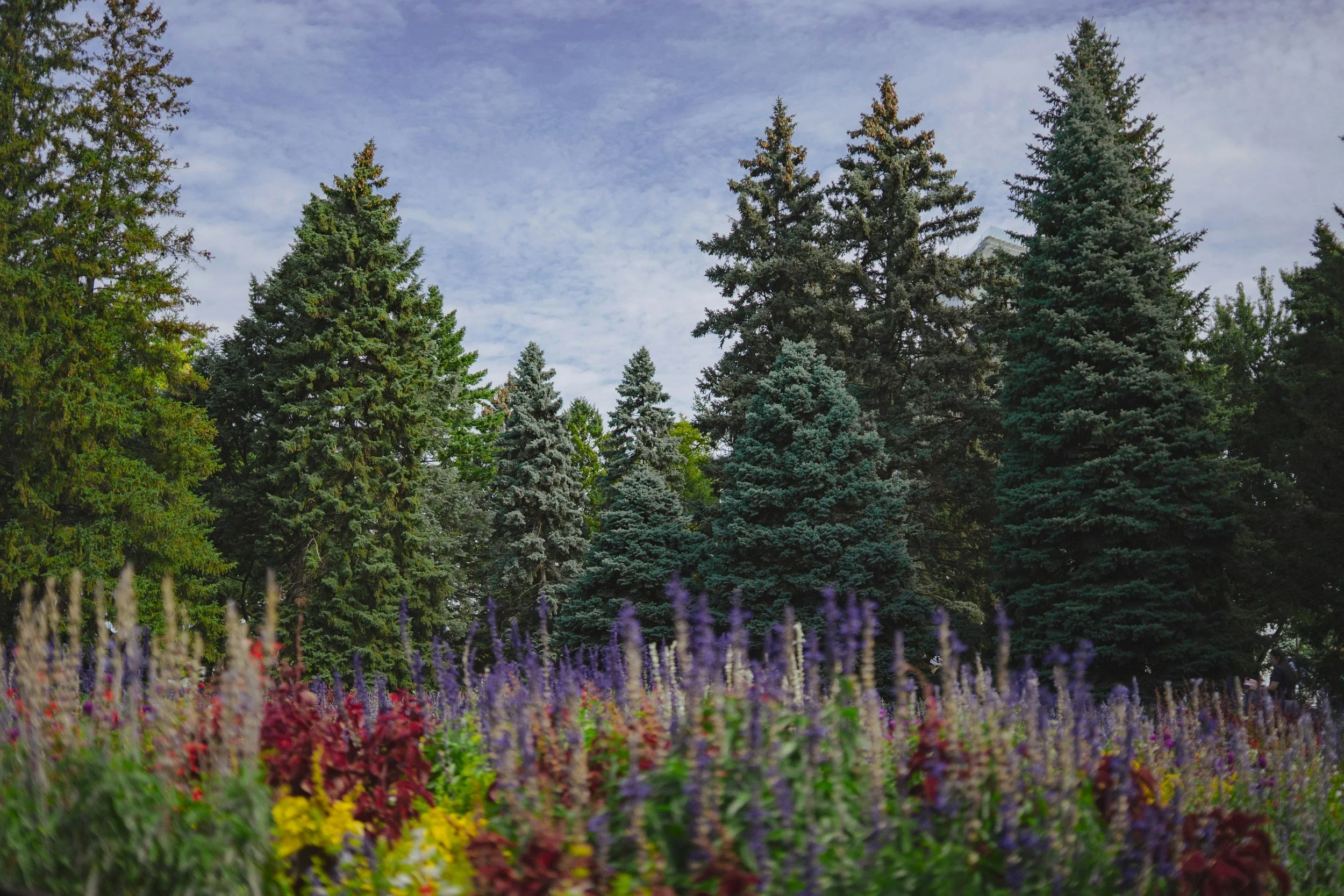
Take the time to listen and connect with nature. A beautiful sunset, a waterfall, a mountain stream, a tree swaying in the wind, or waves lapping against the shore. Allow yourself to experience nature's vision, sounds, and smells entirely. Listen to the ocean, rain falling on the roof, or the quiet sounds of a pond or lake in the early morning mist. Nature can be a beautiful instructor for the attentive listener.
Listening requires alert attention, not waiting or wanting anything to happen, but merely listening, seeing, and feeling. Our senses remind us that, in this moment, we are where we need to be, there is nowhere to go, and nothing that we need to do. There is no need to elaborate or comment on nature's existence, proclaim our presence, or exercise any judgments about the moment. We are honored to be present and allowed to experience nature's beauty and her willingness to share with us.
Appreciation and gratitude happen in the body, not through the mind, mental judgements, or opinionated thoughts, but through deep embodied love that connects us with our beginning and our inevitable end—pure consciousness and acceptance of the unlimited possibilities.
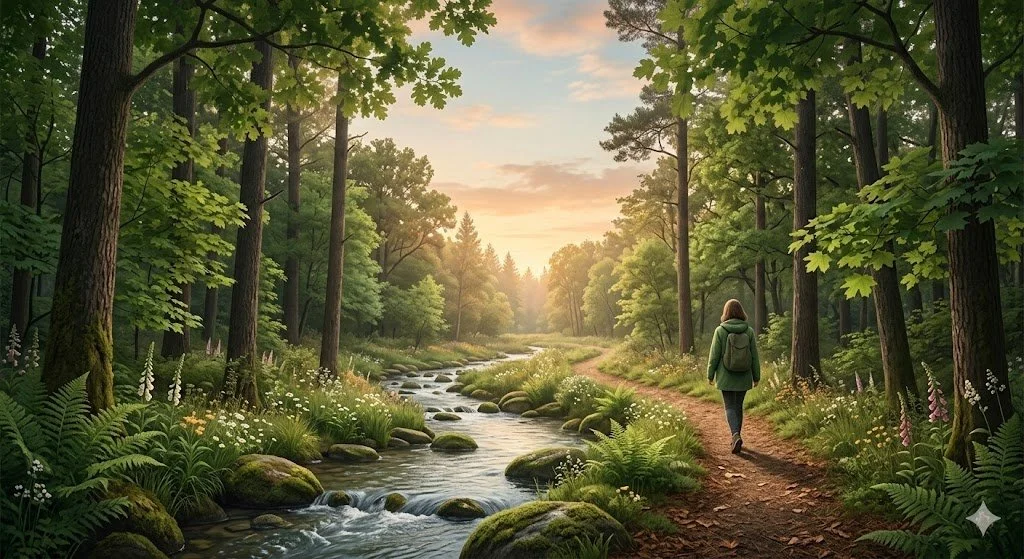
The Daily Challenge
Whether it’s the phytoncides released by trees that bolster our immune system or the simple perspective gained by standing under an open sky, nature reminds us that we are part of a larger, living system. These experiences ground our chaotic thoughts in the steady rhythm of the earth.
Benefits Of Connection With Nature
Mental: Reduced cortisol levels, lower anxiety, and "Awe" experiences.
Physical: Improved sleep cycles (circadian rhythm) and Vitamin D synthesis.
Cognitive: Restored attention span and boosted creativity.
For those ready to go further:
Forest Bathing (Shinrin-yoku): The Japanese practice of sensory immersion.
Rewilding: Tips on how to make your own backyard or balcony bird-friendly.
Seasonal Living: Eating and moving in alignment with the current season.

Boost Mental Clarity
Beyond just feeling relaxed, being outdoors triggers what psychologists call Attention Restoration Theory. This gives our focused concentration a chance to rest, allowing our "soft fascination" to take over and, in turn, boosting creativity and mental clarity.

"Micro-Adventures" for people with busy schedules:
Grounding (Earthing): Walking barefoot on grass or sand for 10 minutes.
The 20-Minute Rule: Sitting in a park without a phone to reset the nervous system.
Local Flora: Identify three native plants in your own neighborhood.
Record A "Nature Soundscape," A small recording that plays ambient forest or ocean sounds.
Home or Office Gallery: Place High-quality imagery of local landscapes to inspire awe and exploration.
Actionable steps to help you establish a stronger connection with nature:
Take Daily Walks: Set aside time each day to walk in a nearby park, forest, or natural area. Pay attention to your surroundings, the sights, sounds, and smells of nature.
Start a Nature Journal: Keep a journal where you record your observations, feelings, and experiences in nature. Sketch the plants or animals you see and note the changes with the seasons.
Practice Mindfulness Outdoors: Engage in mindfulness exercises while outside. Focus on your breath, the warmth of the sun, or the rustle of leaves to fully immerse yourself in the natural environment.
Create a Garden: Whether it’s a small indoor plant or a backyard garden, growing your own plants encourages a deeper appreciation for nature and its cycles.
Volunteer for Environmental Causes: Join local conservation efforts, such as tree planting, clean-up days, or habitat restoration projects. Contributing to environmental health connects you with the community and nature.
Limit Screen Time: Spend less time on devices and more time outdoors. Make it a habit to unplug for a few hours weekly to immerse yourself in the natural world.
Educate Yourself About Local Flora and Fauna: Learn about the plants and animals in your area. Understanding their roles in the ecosystem can foster a deeper respect for the environment.
Plan Nature Outings: Organize regular trips to natural landscapes, such as national parks, beaches, or mountains. Pack a picnic and enjoy the beauty of the outdoors.
Connect with Nature Through Art: Use nature as inspiration for creative projects. Paint, draw, or photograph what you see outside to express your connection with the natural world.
Practice Eco-Friendly Habits: Adopt sustainable practices like recycling, reducing plastic use, and conserving water. Making eco-conscious choices strengthens your relationship with nature.
These steps can help cultivate a meaningful and enriching connection with the natural world. Enjoy exploring the beauty around you! 🍃🌼